
Called to family medicine: Members share their stories
Family Medicine Week—Sept. 27 through Oct. 3 this year—is a time to celebrate the physicians who answered the call to family medicine. See what drew leaders at every career stage to the specialty, then download the Family Medicine Week toolkit and share your own story on social media starting Sept. 27.
Family medicine mentors made the difference
I grew up wanting to be a doctor. My dad pegged me as a lifelong learner when I was young, and medicine seemed to align with my constant thirst for knowledge. I initially wanted to pursue neurology because I was fascinated by the brain, and I later considered emergency medicine because it seemed exciting and glamorous.
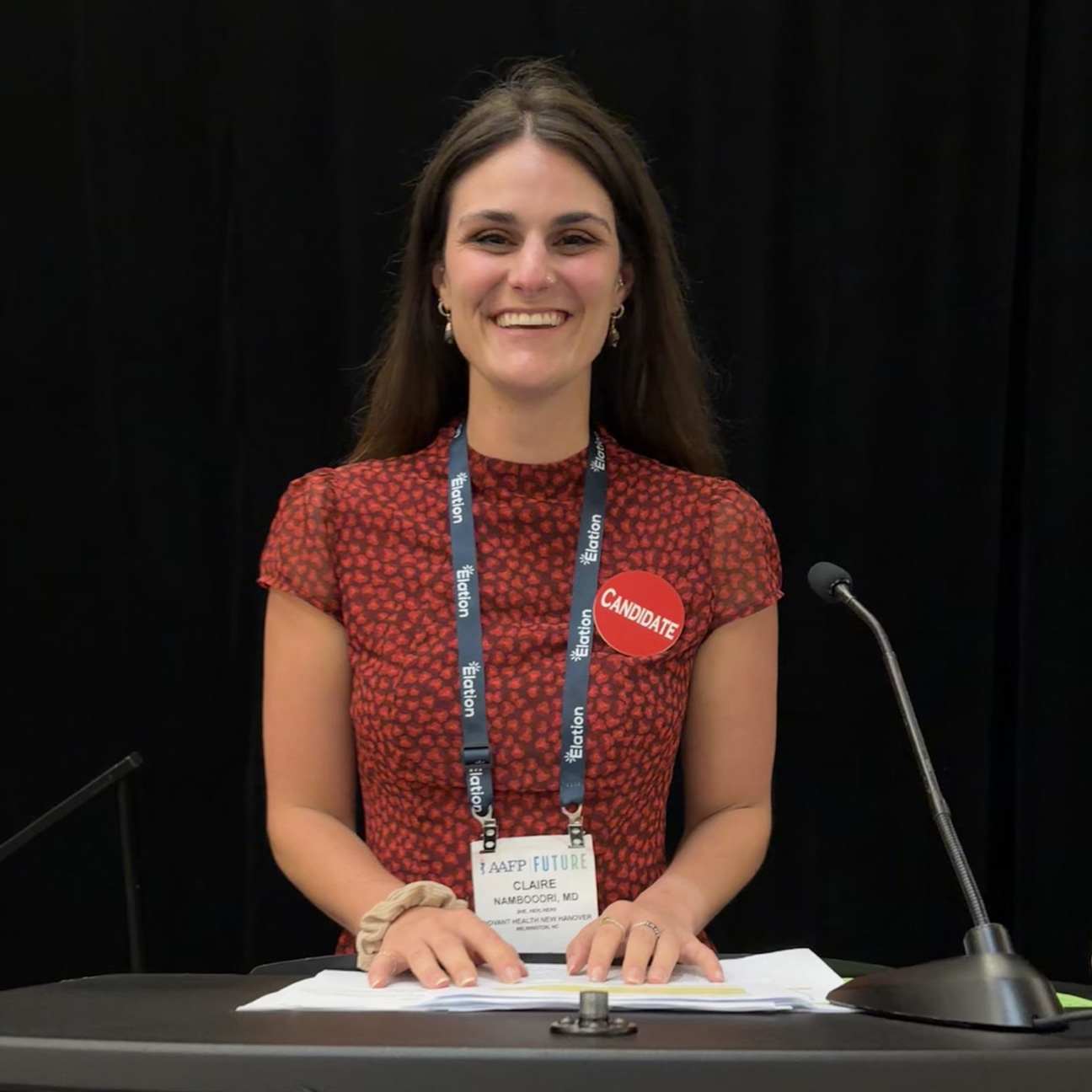
In college, though, I shifted from caring largely about my own goals to caring more about my community. Through student government, I found that I loved meeting people where they were, listening and finding creative solutions. At the same time, I was facing health struggles of my own. Despite incredible support from friends through hospital visits and notes from missed classes for various specialty appointments, I felt increasingly lonely, uncertain about my future, and frustrated navigating the health care system alone for the first time. I began questioning whether becoming a doctor really aligned with my values.
During that time, I shadowed one of my health policy professors, a family physician who cared largely for Spanish-speaking patients. I watched him answer simple and complex questions alike while helping patients feel comfortable in a system that was foreign to them. I remember thinking, “This guy is really making a difference in his community.”
After college, I served through AmeriCorps at a rural North Carolina health department. There, I worked with a family physician who was the health department’s medical director, cared for patients in the local jail, helped start a program providing medication treatment for opioid use disorder, and advocated at the state level. Watching her showed me that I did not have to choose between caring for individual patients, improving the health of a community and working to change the systems affecting both. Family medicine gave me room to do all three.
What drew me to medicine was lifelong learning. What called me to family medicine was realizing I could pair that curiosity with meaningful service, caring for and advocating for my community both inside and outside the exam room.
Claire Namboodri, MD, of the Novant Health New Hanover Regional Medical Center Program in Wilmington, North Carolina, is the 2027 AAFP Resident Conference Chair.
Continuing a family legacy of care
It was the owls that stood out in my memory the most. Her rural Texas neighbors said the owls were proof my great-grandmother was a witch, a bruja, a curandera. These allegations were not said with accusation, but the matter-of-fact, dry tone that could also observe that there are red crosses posted outside hospitals. If you need to find the traditional healer of the neighborhood, just follow the owls.
My great grandmother was that traditional healer.
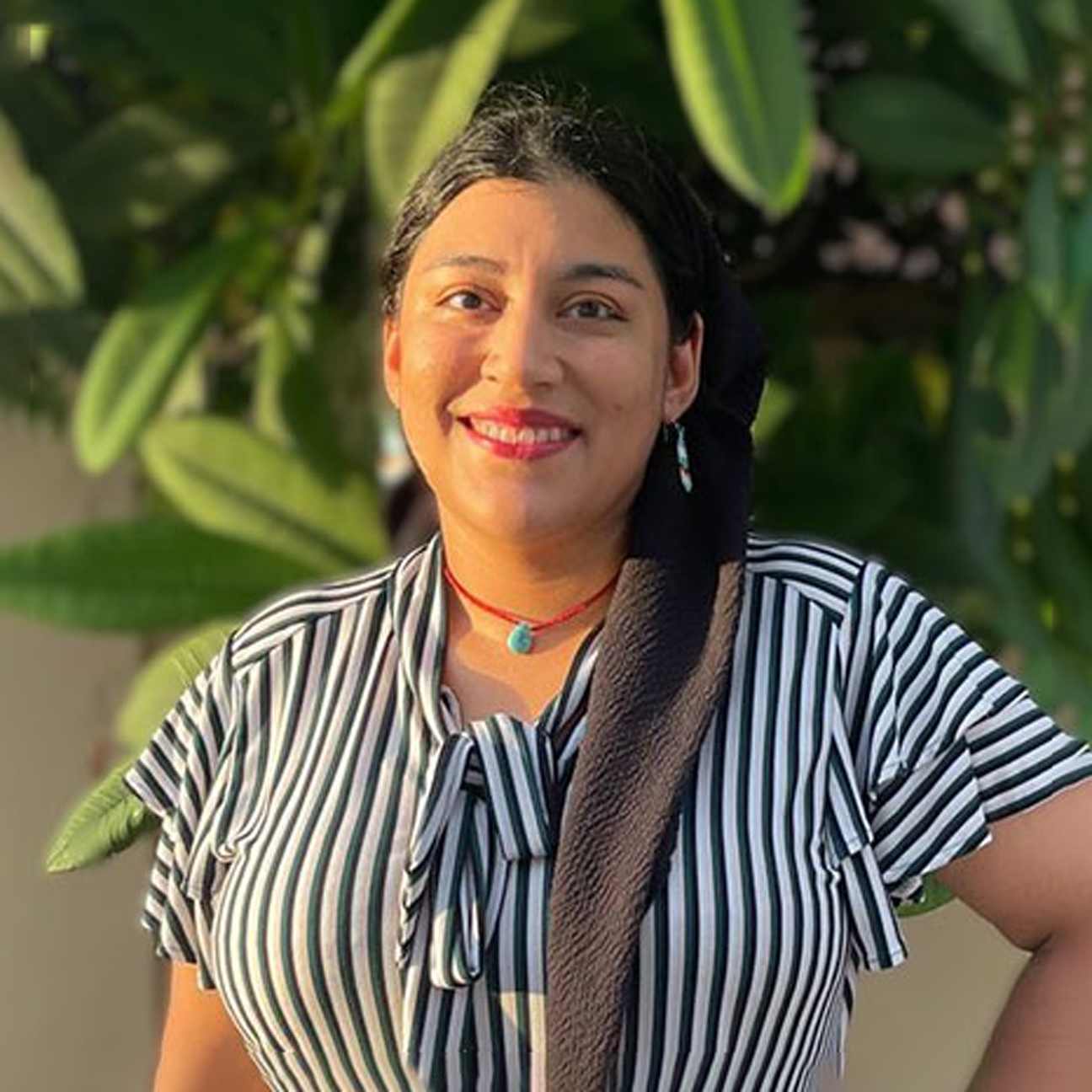
At all hours of the day and night, she would listen to people’s ailments and fears. The child who wouldn’t settle. The bone aches that kept up the field worker. My great grandmother would sit at her kitchen table and listen to everyone without judgement or reproach. Then she’d offer her advice; maybe tinctures and salves and slings.
I used to think medicine and what she did were separate things. I don’t anymore. What she practiced was continuity: She knew whole families, their histories, the seasons of their worry. She was the first person called and often the only one available. That is family medicine.
I’m drawn to the specialty for the same reason people once walked to her door—because a family physician meets people before a diagnosis has a name, across every age, in the ordinary and the frightening. I want to be the one who stays, who knows the second visit and the 20th, who holds the whole person rather than a single organ.
I come from a lineage of being someone’s first and only. I’d like to continue it, with better tools.
Sarah Gonzales of the American University of Antigua College of Medicine is the 2027 AAFP Student Conference Chair.
What called YOU to family medicine?
Maybe it was the family physician who inspired you growing up. A patient encounter you still think about. A mentor who saw something in you. Or the realization that you wanted a career where you could care for the whole person throughout their life.
Whatever called you to family medicine, we want to hear about it.
Share your story and help celebrate the many paths that bring family physicians to the specialty—and the reasons they continue answering the call.
Complete the sentence:
I was called to family medicine when __________.
Download the Family Medicine Week graphics linked below, share your story on social media and follow the conversation to hear from family physicians, residents and students across the country.
Hashtag: #FamilyMedicineWeek
Family medicine offers care across generations and life stages
I have loved babies and kids all my life, and I am fascinated by the process of birth. When I started undergraduate school, I wanted to go into pediatrics or obstetrics.
A pediatrician was my primary care physician during childhood, and later I had an internist. So before I was invited to a family medicine residency fair, I had no idea what family medicine was. When I mentioned that to the physicians and residents staffing the booths, they told me I could do obstetrics and care for children in family medicine!
I was hooked because I could not imagine giving up one for the other.
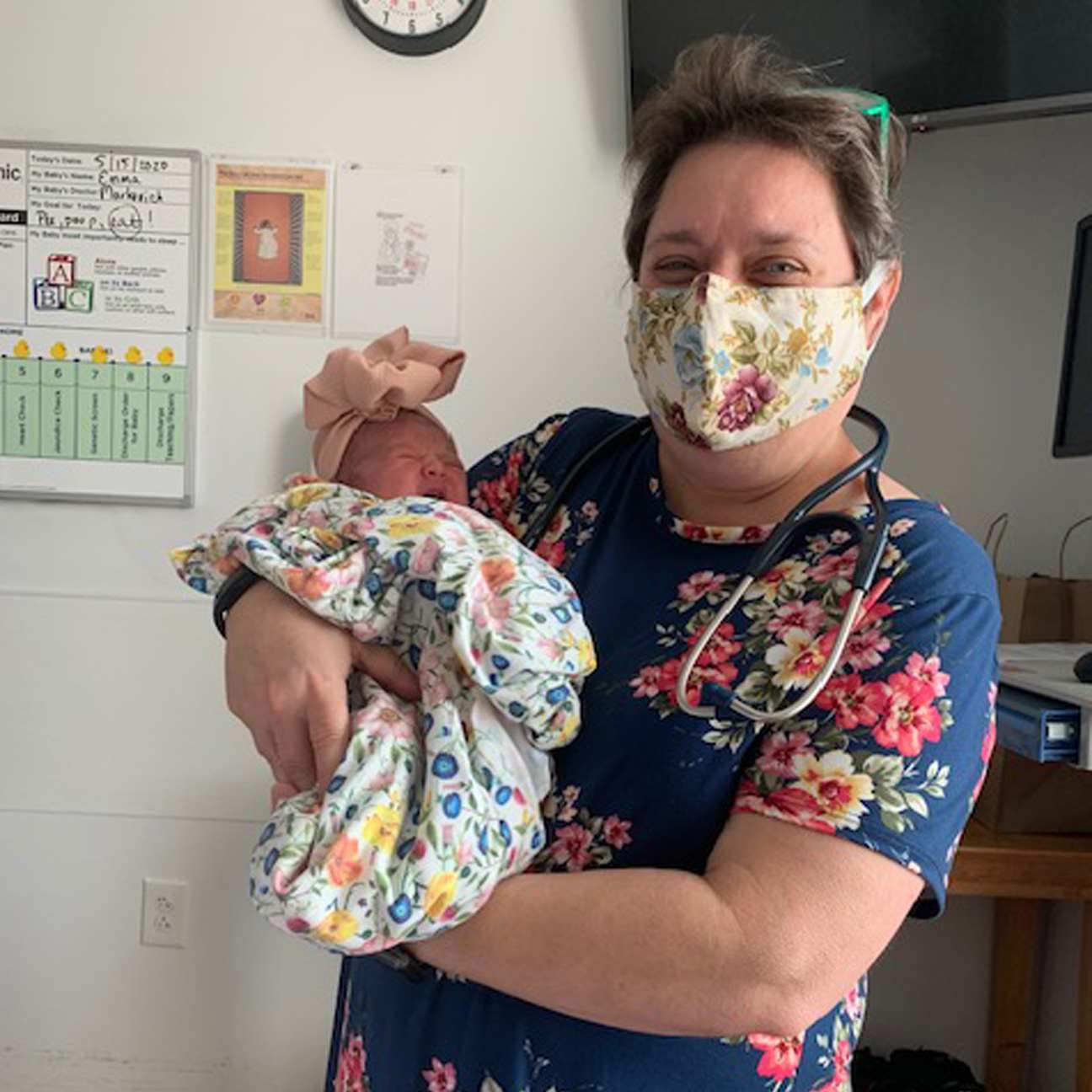
As I progressed through medical school, every experience cemented my love of family medicine—even urology, where I did not like the big surgery but loved all the little procedures like cystoscopy.
During my surgery rotation there was a breastfeeding mom, and I asked, “What are we to do with the baby?” They hadn’t even considered the baby or the fact she was breastfeeding. It was just a surgery to them.
When I did geriatrics, I found I loved the older people just as much. In family medicine, I can go from seeing a newborn in the morning to seeing a 101-year-old patient during a home visit in the afternoon. I have been blessed to take care of three generations in families and deliver the babies and grandbabies of my patients.
I did OB for more than 20 years after completing residency. I am still seeing children I delivered (some now wonderful young adults). I love saying, “You know your grandma has diabetes,” or whatever other condition can run in families, and discuss lifestyle changes.
I love roaring like dinosaurs in the exam room with 3-year-olds, and I act like a big kid with them. I take care of newborns in the hospital every day and have done that for the past 15 years. So I get to do everything I ever wanted. As I get older, so do my patients. I like guiding them into their later years and preparing them for any eventuality. We have wonderful discussions, and they have become family.
That is what family medicine is.
Renee Markovich, MD, FAAFP, of Uniontown, Ohio, is the president of the AAFP Foundation Board of Trustees.
Family medicine does it all
When I was a medical student, I thought I knew exactly which specialty to pursue, and it was not family medicine. I was passionate about reproductive health, abortion care, education, activism and advocacy. I believed the only way to do it all was to become an OB/GYN.
Then I rotated at Planned Parenthood.
That experience changed my understanding of what reproductive health care could look like. I saw the power of creating a space where patients felt safe, respected and heard.
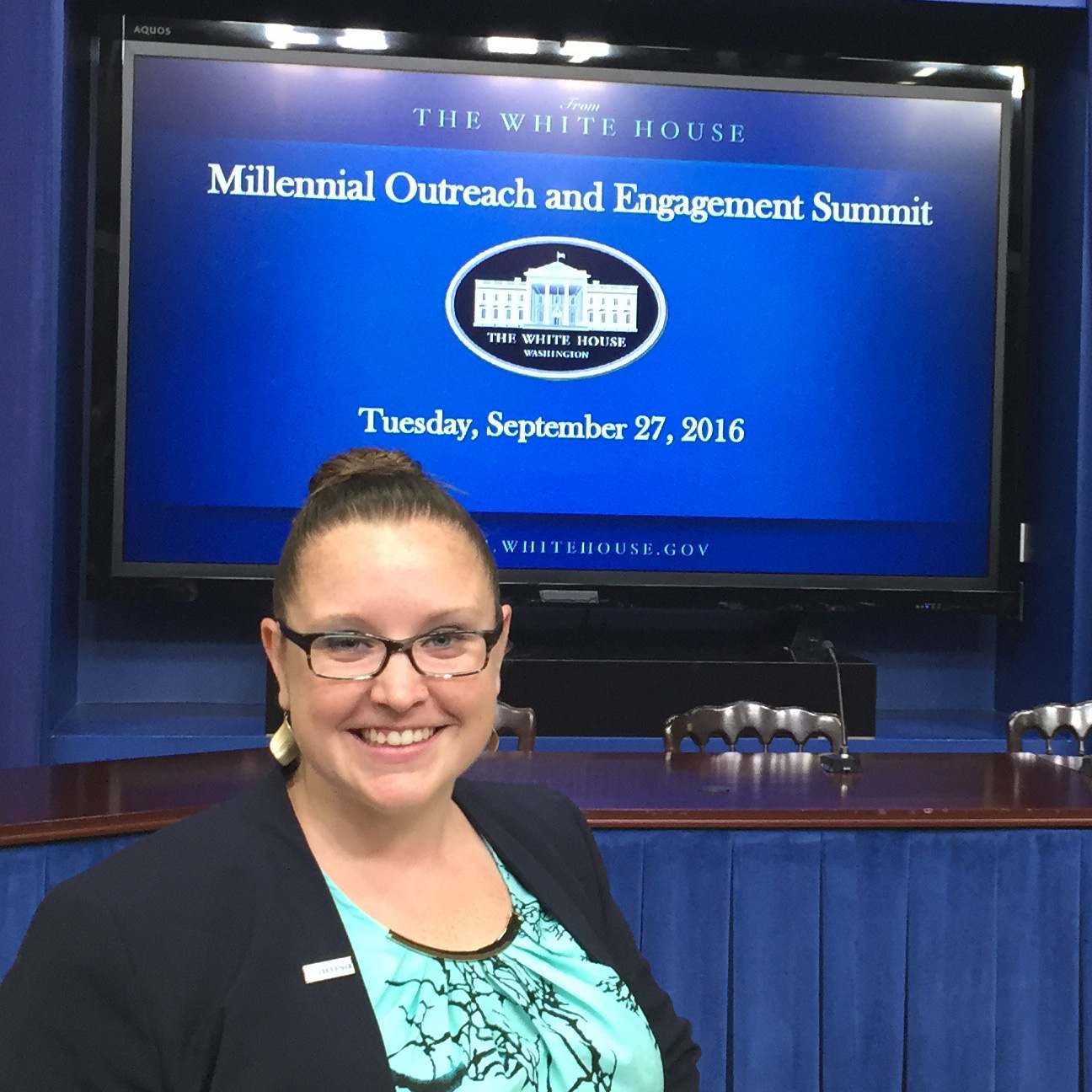
My attending was the first to tell me I didn’t have to be a gynecologist to do everything I wanted because, “family medicine does all of that.”
I now understood that reproductive health is intertwined with mental health, chronic disease, relationships, identity, health policy and social circumstances, and this is the foundation of family medicine.
My next pivotal experience was at a community health center. It was there that I completed my final procedure in medical school, a pap smear, for a patient who had gone nearly a decade without screening because she lacked insurance. Two weeks later, she returned with a diagnosis of cervical cancer.
That experience made health inequity tangible. I understood that advocacy and medicine must coexist if we were to provide the best care for our patients.
Looking back, family medicine gave me exactly what I was searching for: the ability to provide comprehensive reproductive and primary care while building relationships with patients and advocating for healthier, more equitable communities.
I didn’t need to choose between clinical care and being an advocate because “family medicine does all of that.”
I knew I had found my calling, the best specialty, family medicine.
Kelly Thibert, DO, FAAFP, of North Las Vegas, Nevada, is the convener of the 2027 National Conference of Constituency Leaders.
Disclaimer
The opinions and views expressed here are those of the authors and do not necessarily represent or reflect the opinions and views of the American Academy of Family Physicians. This blog is not intended to provide medical, financial, or legal advice.