
We teach because we believe in a brighter tomorrow

We teach because we believe in a brighter tomorrow. I’ve said those words in speeches over the years. Some days I believe in them completely, some days I question them and some days, if I’m honest, I lose sight of them.
This November, I’m grateful for the people who remind me why they’re true: the residency leaders I have had the privilege to work with as a consultant for the AAFP’s Residency Program Solutions (RPS). The belief in this concept unites us all as educating clinicians, inspires us that we can make a difference and allows us to lend a hand during times of adversity.
While family medicine residencies have expanded in recent years, I continue to be impressed by how our community supports itself and one another. This time of year, as programs recruit their next classes of residents, could easily feel like direct competition. Instead, we are very much part of a movement together, united by a shared commitment to educating the next generation of family physicians.
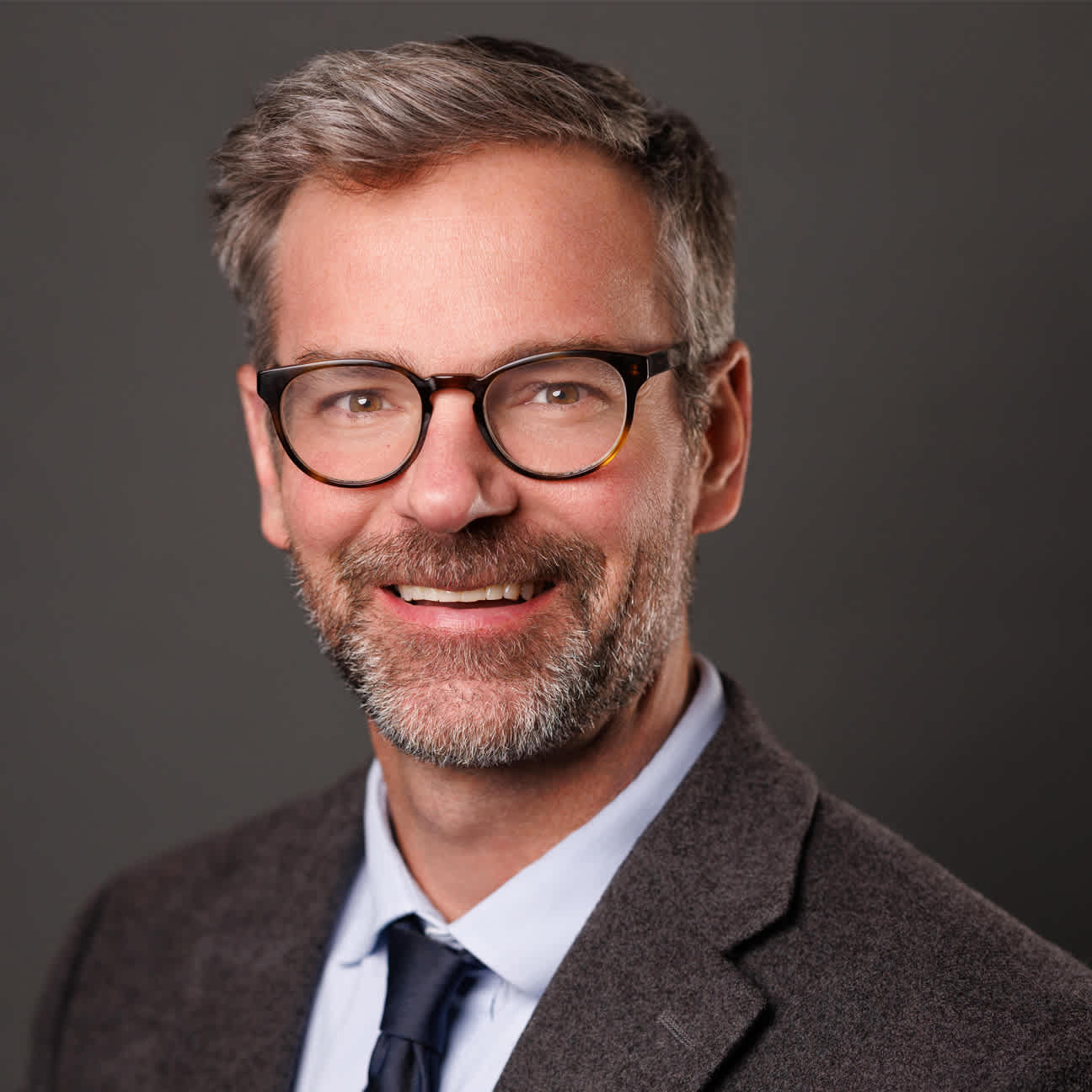
Bryan Hodge, DO
The challenges of leading a family medicine residency program
As an RPS consultant for the AAFP, I have some unique vantages in the work we do together. The pressures on residency programs are innumerable. The challenges facing health care leave primary care in uncertain territory and often undervalued. We see firsthand how our patients are impacted, and we share a responsibility to pass along the knowledge, skills, values and attitudes that bring meaning to our specialty.
Whether a program is navigating a shift in culture, expanding to new sites or taking on the ambitious task of building a new residency, program directors and leaders shoulder these challenges because they believe family physicians make a difference in their communities.
As an RPS consultant, I have the privilege of working alongside these leaders. I also know something about the challenges they face because I've experienced many of them myself.
Why experience matters in residency program consulting
As an early-career program director, I faced a clinic merger after hospital leadership concluded the residency clinic was “losing too much money.” I saw firsthand how fragile residency education can be when the conversation turns to the bottom line, and I remember how alone I felt defending the program’s mission.
In hindsight, that transition brought transformational change that put us in a better position to serve our community and preserve what mattered most. Pivotal moments can bring that kind of clarity. But in the midst of the moment, it can be challenging to find your ground and see what’s possible rather than focusing only on what needs protection. What carries us through isn’t just a spreadsheet with numbers, but the legacy within our specialty and colleagues who’ve faced similar struggles.
That experience continues to shape how I approach my work. When a residency leader is facing a difficult decision, I understand that the challenge isn't simply operational or financial. It’s often deeply personal, involving a program's mission, the people who have invested in it and the patients who depend on it.
Sometimes what a program leader needs most is an experienced colleague who can offer a different perspective, ask difficult questions and help them recognize a path forward.
Supporting rural and underserved residency programs
The mismatch between training opportunities and community health needs continues to deprive rural and under-resourced settings of an adequate workforce. As new residency programs have emerged in rural communities and federally qualified health centers (FQHCs), additional pressures amplify clinical and educational challenges.
It’s harder to find faculty where fewer physicians practice. Rotation choices may be limited when there’s only one cardiology group in the region. The same housing and employment options that limit recruitment of faculty can also deter residents.
There are many ways for a new program to fail. Launching a residency program often requires multiple organizations to align, a significant financial investment, sufficient clinical capacity and committed leaders who can see the vision through. Every one of those stages can be their own threat. Together, and all at once, they can completely overwhelm.
Even with viable programming and suitable resources, programs can be slowed by factors outside their immediate control. Teaching Health Center Graduate Medical Education programs face uncertainties related to congressional funding, while the complexities of Medicare GME funding can challenge even knowledgeable institutions.
These are murky and choppy waters, and no program should have to navigate them alone.
Through my work with RPS, I’ve had the opportunity to support leaders who are committed to bringing family medicine training to communities that need it most. I know how much is at stake for these programs, and I'm continually inspired by the determination of the people working to make them successful.
The challenges may be significant, but so is the opportunity to strengthen both residency education and the communities these programs serve.
Helping established residency programs navigate change
Established programs face their own winds of change. Shifts in the health care landscape, leadership turnover, financial pressure, outdated education models and inadequate staffing can consume the day-to-day work of residency leaders. In many ways, seasoned programs face harder work because they must rebuild within established norms that need to take a new form. It can be especially isolating when you’re changing what your mentors built.
Rising leaders in these settings often doubt whether they have the strength to see change through, or whether a change is appropriate. “We just need to know what ‘right’ looks like” is a phrase I have heard when programs are lost in a whirlwind of issues.
While complaints may surface as dissatisfaction with schedule changes or rotation assignments, the cultural undercurrents often tell more of the story. An outside perspective can help identify the underlying issues and remind our colleagues that they’re stronger than they sometimes feel.
That’s one of the most meaningful aspects of consulting. Having experienced many of the same challenges, we can offer more than recommendations. We can help residency leaders see their circumstances through a different lens, recognize strengths they may have overlooked and approach difficult decisions with renewed confidence.
Stronger together: The value of peer support
When programs face strain in today’s health care environment, no individual program is alone. The themes tend to be consistent, even as the details vary by setting. Often, when we’re most vulnerable, we see the best of our family medicine leaders. I’m fortunate to witness the strengths of programs across the specialty: in academic centers, urban clinics, rural outposts and community hospitals. Each program is unique, but every one is propelled forward by dedicated individuals who preserve the principles of full-scope training, excellence in education and inspiring the next generation to take on some of our most persistent health challenges.
Despite the challenges we face, our family medicine community retains a commitment to collaboration, a shared mission to train and a collective belief that we can make a difference. The advice we offer today may shape the approach of a future educator. The call we answer to help a colleague in a difficult moment may allow them to see a way forward they couldn’t see alone. Sometimes, an outside perspective can reshape what’s possible for a struggling clinic, including one that might benefit from merging with a local FQHC.
It’s advice that echoes the counsel I heard more than two decades ago as a young program director. I’ve been on both sides of that conversation, and I’m grateful for each. I’m grateful for the mentors who showed up for me when I needed guidance. I'm equally grateful for the residency leaders who have trusted me enough to invite me into their own pivotal moments. Their dedication reminds me why this work matters, and their willingness to share their challenges and successes continues to make me a better consultant, educator and family physician.
We may teach because we believe in brighter tomorrow, but we’re there for one another because we know it can make all the difference today.
Bryan Hodge, DO, is chief academic officer at the Mountain Area Health Education Center in Asheville, North Carolina, and an associate professor in the University of North Carolina Department of Family Medicine. A former residency program director, he practices at a community health center and a community hospital, and serves as a national technical assistance advisor for HRSA’s Teaching Health Center and Rural Residency programs. An RPS consultant since 2019, he focuses on supporting residency programs in rural and under-resourced settings.
Disclaimer
The opinions and views expressed here are those of the authors and do not necessarily represent or reflect the opinions and views of the American Academy of Family Physicians. This blog is not intended to provide medical, financial, or legal advice.