
IFM | From passion to Impact: How AAFP Foundation programs empower the next generation
Show notes
In this episode of Inside Family Medicine, host Margot Savoy, MD, MPH, FAAFP, talks with Katie Allan, MD, and Bridget Bunda, MD, recipients of the AAFP Foundation's Family Medicine Cares Resident Service Award. They share how a community-identified need in Boise, Idaho, grew into a resident-supported program providing wound care, health screenings and other services to people experiencing homelessness.
The conversation explores what it means to meet patients where they are, build trust through consistency and listen before acting.
Allan and Bunda also discuss how Foundation support helped them expand street- and shelter-based care, involve more residents and build the work into their training program. Their advice for students and residents with big ideas is simple: Find your people, follow what sparks your curiosity and be willing to take a chance.
Episode hosts
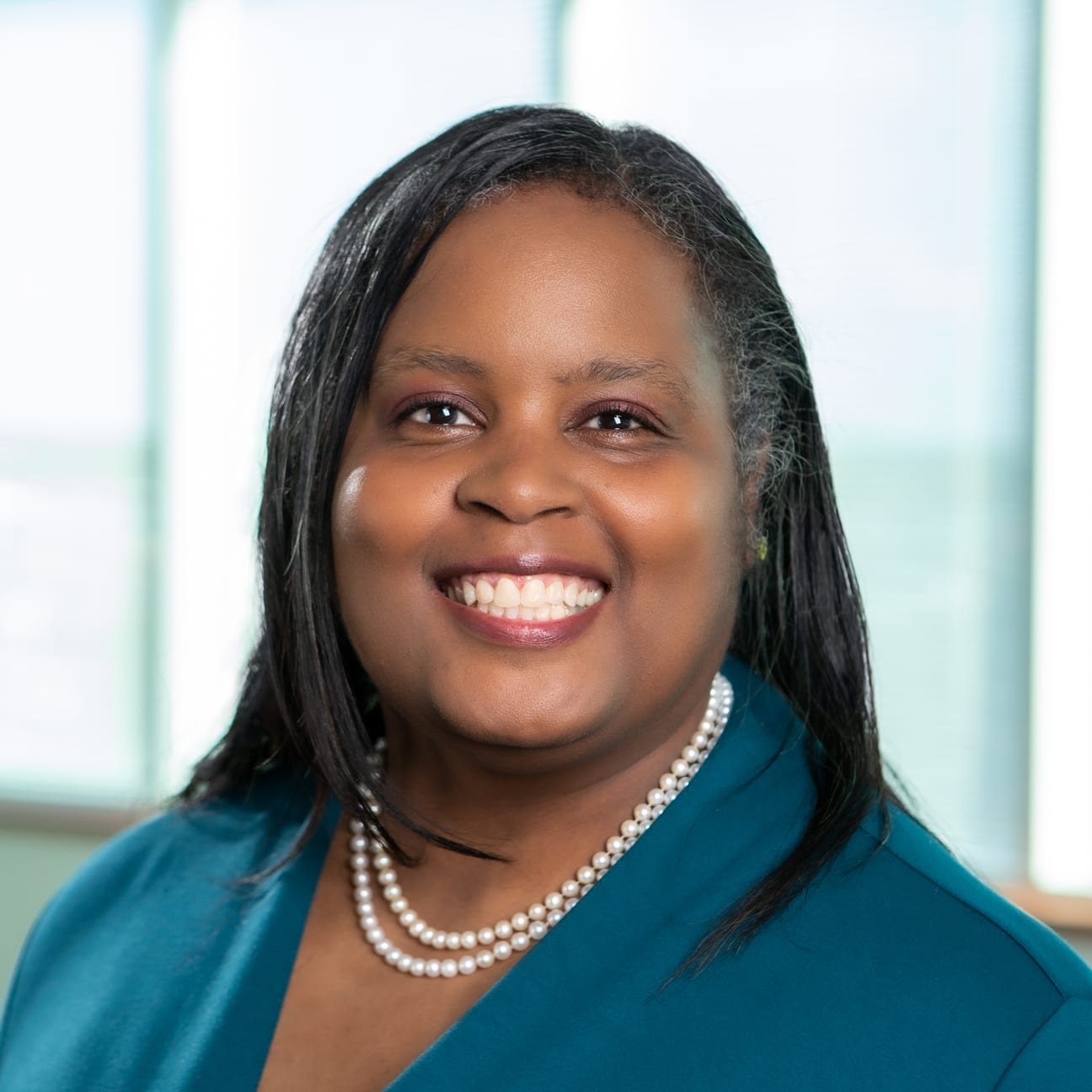
Margot L. Savoy, MD, MPH, FAAFP
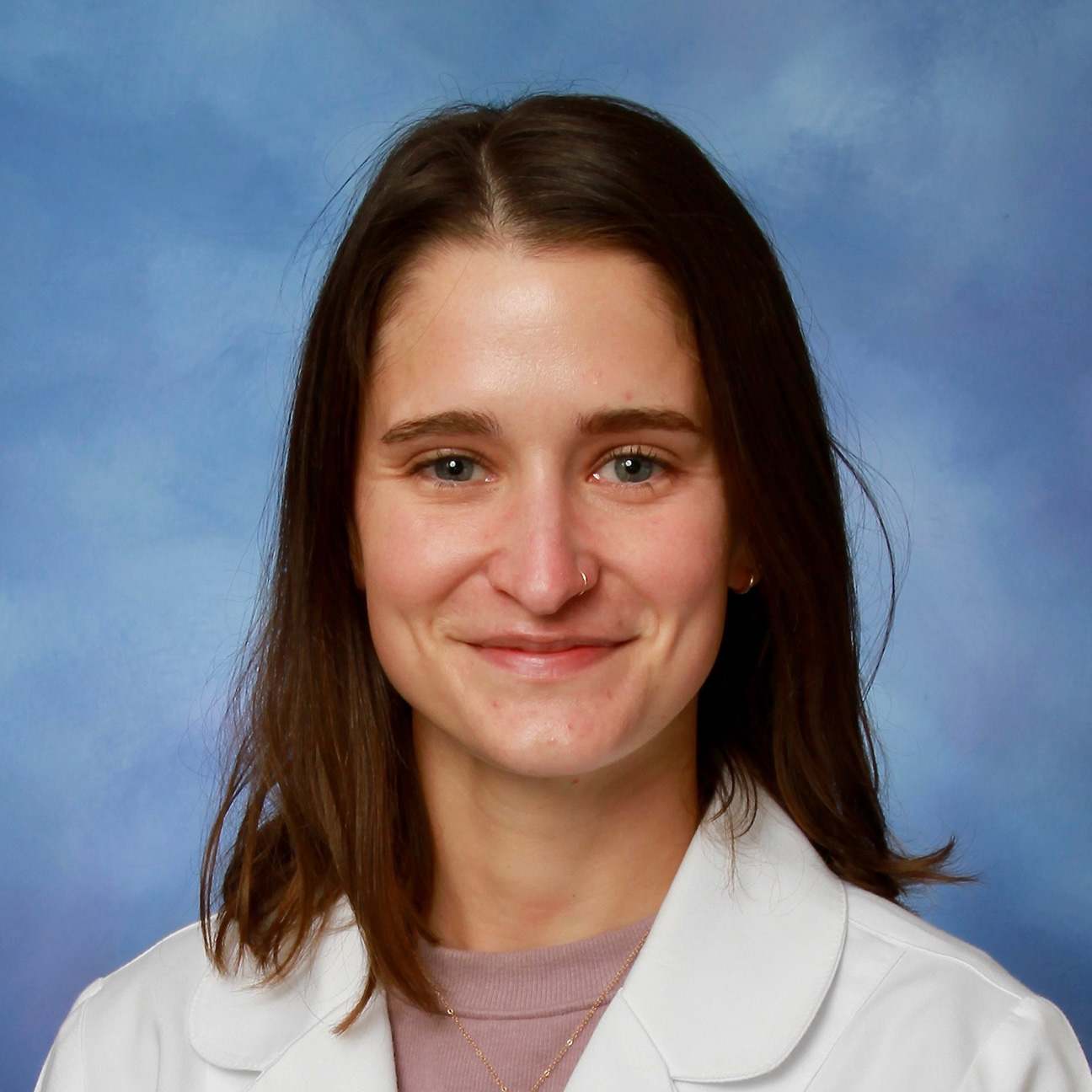
Katie Allan, MD
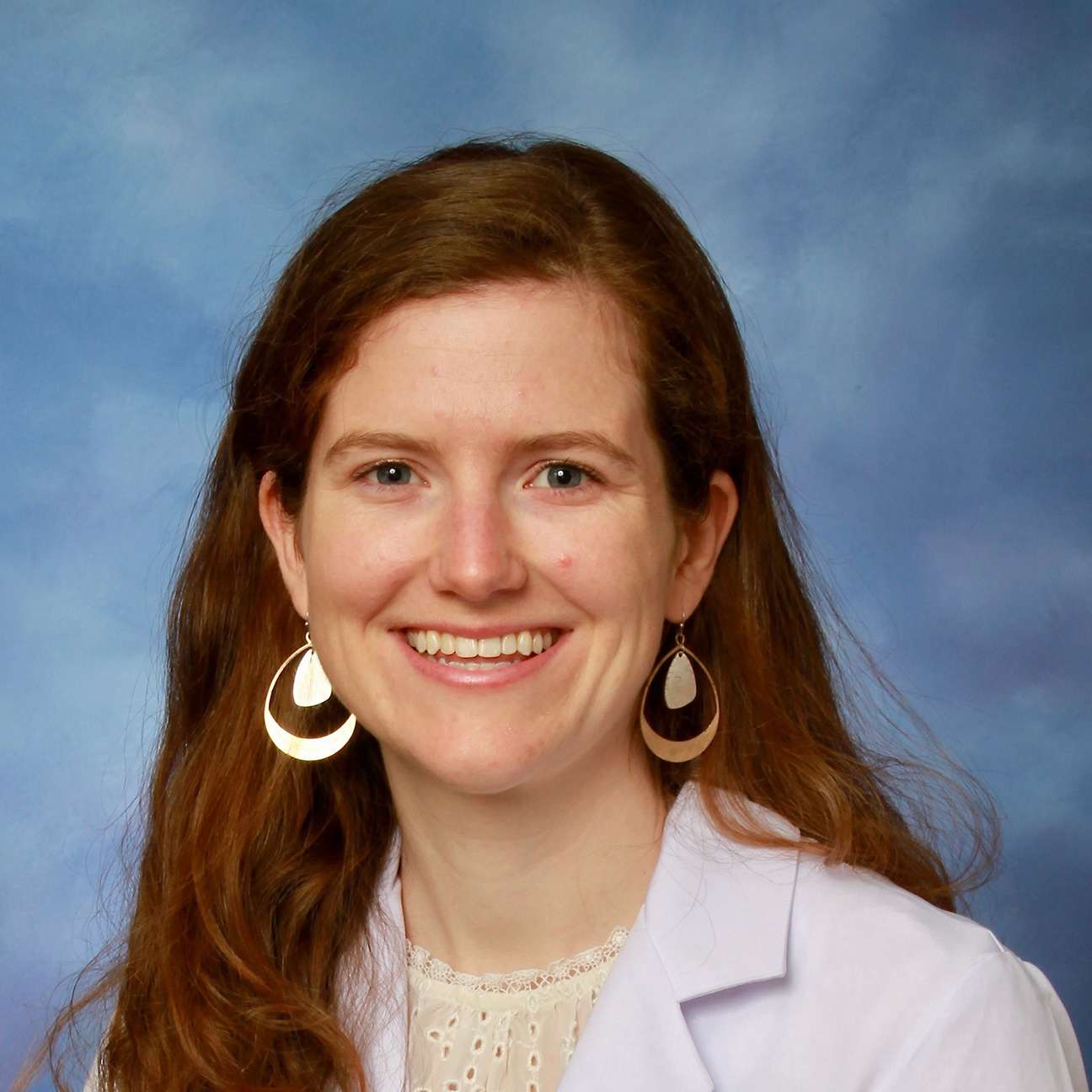
Bridget Bunda, MD
Transcript
Every day, family physicians see needs in their communities, and many medical students and residents are already stepping up to meet those needs in remarkable ways. Whether it's improving access to care for people experiencing homelessness, helping patients navigate health insurance, or creating new ways to support healthier communities, these projects all started with someone asking a simple question: "How can I help?"
On today's episode of Inside Family Medicine, we're talking with recipients of AAFP Foundation awards and leadership programs who turn their questions into actions. They'll share what inspired their work, the impact they're already making, and how the support from the AAFP Foundation actually helped them to transform their ideas into meaningful change.
Their stories are a reminder that leadership doesn't begin after residency or even after medical school. It begins with a willingness to serve.
I'm Dr. Margot Savoy, Chief Medical Officer and Senior Vice President of Education, Inclusiveness, and Physician Wellbeing at the AAFP, and this is Inside Family Medicine.
Joining me today are Drs. Katie Allan and Bridget Bunda, recent recipients of the AAFP Foundation Medicine Cares Resident Service Award. Welcome, Katie and Bridget. Would you mind telling our listeners a little bit about yourselves?
I'm Katie Allan. I am originally from Michigan, and then went to college in Maine. Didn't know that I wanted to be a doctor then. I studied anthropology and global studies, and have always been really interested in people. and then found myself in public policy school and doing a lot of health policy work and reproductive justice work, and saw some amazing physicians at this intersection of policy and medicine, and decided that that was what I wanted to do, and had some really incredible mentors at the University of Michigan who helped me get to where I am now.
I went to Dartmouth for medical school, so went from the East Coast to the family medicine residency of Idaho in Boise, where we were both residents. We're third-years. And I have tried to focus my time in broad spectrum family medicine on reproductive health and reproductive justice, and caring for unhoused people, in a variety of different capacities, and LGBTQ+ care, and, trying to do as much full-spectrum family medicine as I can.
Wow, that's amazing. I got it. That's amazing, and you're still a resident.
Yeah. There's just a lot of things that are exciting.
I'm Bridget. I'm originally from New York, right outside of New York City area. And I went to college in Boston and, similar to Katie, wasn't initially certain that I was going to go into medicine. I was really interested in public health, and specifically work around HIV care and prevention. And through some time during my undergrad and some research that I did there, and then some time during my gap years afterwards, I really solidified that I was really interested in the clinical care of patients in addition to the public health systems that serve them.
I went to Tulane for medical school and I graduated from there with my MD and an MPH, and spent some time, obviously doing all of the medical courses, but then, working in their epidemiology department at the School of Public Health. And then, similar to Katie, I was really attracted to the full spectrum care that can be provided through family medicine. And so, I was really excited about the opportunity, to train at FMRI, as we call it, in Boise, Idaho, and, have just really enjoyed my two years so far and the beginning of my third year, which feels really surreal to say. There's a ton of great things at our program. I've spent a lot of time in the clinic that works specifically with our refugee populations, as well as our patients that are living with HIV or hepatitis C, and just learning all the cool things that are available to those patients.
Wow. Yeah. So, your residency program just lucked out and got both of you. That's amazing. I'm really, really excited to jump into hearing more about your project. So, a lot of times people talk about every project starts with just a person who wanted to help, so that somebody was just walking by, and they see a thing, and they just don't want to let that thing pass without leaning in and helping.
Was there something in your community that made you decide to do your project?
We got pretty lucky in that we are part of a community of a lot of really engaged and involved people, and often we'll have community partners reaching out to our organization or people within our organization. And some of our co-residents in the couple of years before us, Dr. Omar Saeed and Dr. Tyler Shelby, were actually contacted by the City of Boise to start a wound care program for unhoused people in Boise, both in the shelters and people staying outside. And that is part of the project that we have picked up and tried to keep building and support with the Foundation money and with the time that we've been able to kind of carve out with that, with having this grant.
Yeah, just feel really lucky to get to build on the really hard work that our colleagues have done and are continuing to do and will continue to do. So, this is not just our project, this is a project of a lot of people, and a lot of really hard work. A lot of it was identified by people experiencing homelessness, and then identified that to the city of Boise that then was brought to our group of people.
That's the start of things. I think of the things that, Tyler and Omar did initially being like that first string that you pull on the sweater that really gets things going. And then, through that initial wound care work, it just became evident that there were a lot of services that could be provided in that similar setting, whether it be in the shelter or directly serving people that are unhoused and sleeping rough. And so this was a beautiful way to take advantage of what the Foundation can offer in terms of financial resources and pair that with this opportunity that we saw to try to really help folks in Boise, especially since the current situation, like in many urban areas in the United States, is becoming more tenuous, not improving at this point.
Wow. So it sounds like in your program you all spend enough time with your community that you actually identified a need, but then you didn't just try to fix that need, you actually listened to the asks of the community and tried to expand into places where they were asking for help and needing help. So it's really taking something that was sort of one moment and turning it into a long-term project. That's pretty exciting.
Yeah. I think one of the things that I'm really proud of as part of this project is, the investment and the interest that our program showed in it. Our project, so offering wound care services and health screenings, in a sheltered setting, or on the street, is part of a larger umbrella of education that we're trying to build for our residents to be involved in.
That also involves doing clinic-based care within a shelter-based clinic, and adding the opportunity for folks to make rounds on some of the medical rooms that exist at one of the shelters in Boise. Something that was interesting that happened as this was all evolving is that one of the main shelters and our community partner for this project was moving right when we got the grant.
It was interesting because the identity of that organization was starting to change as they had a new physical location, and had a new identity evolving.
I don't know if there's anything that you picked up in that.
Oh, absolutely. I mean, just speaking about the new shelter and the services that Interfaith Sanctuary has built, it is a one-of-a-kind shelter. I have not seen anything like it anywhere else in the country. I mean, they have medical beds, clinic spaces, clinic rooms built into the shelter itself right next to those medical beds. And there's partially independent housing for folks. And the way that they make their food is very health-based and health-focused.
So it just is this additional piece, and it's a little bit of a tangent, but just a really stellar community partner to get to work with and to get to learn from, and people who are deeply involved in the community. And a lot of people who work there are peer support and just people who have experienced homelessness themselves and just, lots of really valuable perspectives, and deep care for their community and the people who stay there. So that's just another piece of things that we really loved.
Well, that's so interesting. So for some of us who've never been to Boise, paint me a picture a little bit about what's the situation like in Boise? So is it common for folks to be unhoused? Is this something that happens often in the city?
I don't know that I've ever thought about how struggles may happen in different cities quite that way before.
Yeah. So tell me a little bit about the area and maybe sort of tell me about where the shelter's located, things like that. Give me a mental picture.
Yeah. I think the landscape in general, Boise's a city of, I want to say 200,00 to 250,000 people, so a mid-size or smaller city depending on where you're listening to this podcast from. But, it is a place that has had enormous growth in the past few years and so with that, housing costs have really gone up quite a bit. And so in general, the trend is that folks are increasingly more at risk of losing their housing. I think the city does a really lovely job trying to provide and encourage affordable housing options to be available or to be developed.
That is great, but of course you can't always keep up with the demand in some of these cases.
Yeah. I think there's also some challenges with Idaho policies. Making it more challenging for people who are unhoused already to live and to exist in Boise and in Idaho in general.
There was a law passed, what I think two years now, I don't remember exactly when it was, like an anti-camping bill. It'll be a civil offense and they'll get a fine if they're caught sleeping outside. And so people who don't have anywhere else to go are kind of being pushed farther and farther to the margins.
So that has been something that the shelters are trying to respond to. And there are a couple of shelter systems in Boise. Interfaith is the only emergency shelter, which makes it uniquely poised for people who are newly experiencing, homelessness or are in crisis in lots of different ways.
There are a couple of other shelters, a lot of which are religiously affiliated, and Interfaith is one but it is not like preaching religious doctrine necessarily. And so there just is a little bit more openness to all sorts of people coming to them.
I don't know if that's the best way to word that, but, just a really open place for people along the spectrum of their experience of recovery from mental health disorders or substance use disorders.
So, it sounds like Boise is experiencing a lot of the same challenges that they're having in even some of the bigger cities.
What we would think about as being a big-city, urban problem is happening even in smaller cities only maybe there's less resources potentially there, and so you're needing both the community to come together. But then it sounds like you also needed health care. Was that something that the shelters were already working on before you guys came, or is that a problem that you identified?
Well, I think that that was something that Interfaith specifically had clearly put a lot of thought into, and the fact that their new shelter had housing available for medically fragile individuals or folks that were ready to discharge from the hospital but would not be able to meet their health needs if living unhoused or on the street.
So I think that was really incredible foresight. The setting of caring for medically fragile individuals has evolved. Even during our time in residency, what the city was doing was at different times, and I think a lot of this was perhaps, remnants of COVID, and plans that they had in place during COVID and then more of a post-COVID era.
Anyways, all of those things were changing, and so I think when our project came on the scene, we were an adjunct to that thought of, how do we really try to make sure that we are solving. If we are attempting to solve a housing solution, is there an attempt to provide health care in that solution as well?
I think a lot of organizations have been thinking about that. And there are, in terms of the clinical landscape in Boise, to give a little context, as a midsize, but really quickly growing city, there are kind of two main FQHC systems that provide care to people who are unhoused.
So, Terry Reilly Health Services is one of them, of which we're actually quite closely affiliated. We work with them pretty frequently. Lots of our grads go there. But we're part of the Full Circle Health, FQHC, and so those are the two clinic systems that really work with unhoused folks.
Then there are a couple of different hospital systems that have been involved in trying to help provide medical care in the shelter settings, which is actually pretty amazing and not something I've seen happen in many other places. So we have a pretty solid foundation and jumping off point, and a lot of people who are really invested in this, and also invested in us being successful in our project.. I feel really strongly that we have to give all this credence to people who have done so much of this work before us, and continue to do it, too.
So that's, a little bit of that context.
So tell us a little bit about the impact that you're seeing already. I imagine that building on a foundation is great, but there's work that gets done that's new or different. How many impacts or types of impacts have you seen already?
I think two, two things that come to mind which are kind of unexpected impacts for me. One, just being in the setting, whether it's providing a wound care clinic or doing an HIV care, or HIV testing session, I think one of the things I realized is just when you're sitting face-to-face with someone, and we all know this as doctors, you learn what their other needs are. And so you kind of understand that it's not just about the wound care that day, it's also that they're not getting their meds refilled, and why aren't they getting their meds refilled? And it's because of, you know, X, Y, Z logistical issue. And so I think that's something that I wasn't really expecting, is how many other things we would be able to help with just by being present and being a direct link to either our clinic system or a different clinic system, however they needed help, navigating that specific issue they were having.
Then the second thing that I've really been impressed by, and I think has impacted me in a way I wasn't expecting, was how wonderful it is to have this endeavor and all of our co-residents that have joined us in it. So in particular there's been a number of interns, now second years, as of this month, but, who have kind of joined us and have heard about what's been going on and saying, "I'd really like to be involved." And it's really cool to see how many people want to be involved and what talents and skills they bring to the table when you're working on a community-based project like this one.
Building off of that, I think getting residents and, I mean, trainees of all sorts and for right now it's just our residents, but hoping to add medical students who are in Boise to this as well.
But there are, of course, lots of logistics with that. But there really is something amazing about being able to bring other people into this work as well because that impacts the work that people want to do in the future. I mean, there have been lots of different studies that have shown, kind of working outside of just a normal clinical setting, whether that's a hospital or a clinic, working elsewhere, as a trainee can be really valuable in increasing like trainee comfort in caring for unhoused people in those more traditional settings.
It increases the likelihood that they continue to do some of that kind of work after after they graduate from whatever their training program is. And so I'm hopeful that some of that starts to happen and we're seeing actually some of that from our classmates and colleagues who've graduated before us after having had support to do some of this work in residency, which is pretty cool.
Just like increasing the workforce. We're doing a very teensy part of that. Yeah, with just the amazing residents we've had join us, but that has been really powerful to see. I think the other piece of impact In a very general way, but also a really specific way, is the relationships we've built with the shelter residents and with people who are staying outside has been really amazing.
Like, you walk in, and people know who you are, and they know that you're gonna show up again. And they know that you're going to connect with their PCP to get them the med that they need because you're part of that system. Whether that's one touch with that person or whether it's touching 100 different people, it's still that relationship-building and trust-building.
And having the kind of space and bandwidth to do that supported by our residency is pretty amazing. I mean, we now have some of the wound clinic work and additional didactic work and medical bed rounding at the shelter as part of our formal didactics sessions once a month for all residents.
This is just built into the curriculum going forward. We've had some of the role in that, but, some of our colleagues are doing a lot of that work. This project has been a piece of that too, so it's that longitudinal aspect of building trust with people.
Them seeing our organization's name and being like, "Oh, these are people who are actually going to keep coming back and keep providing care and understand my needs, or are willing to listen if I need something different than what they're giving me." I have also been able to care for some of those people in the hospitals who we didn't get them all the care that they needed outside of the hospital, but then they can come to us on our inpatient service.
And I have a number of pregnant patients who are unhoused that I get to see in my clinic, and then can also help reduce their barriers by bringing that care to them. I have a NICU grad baby that I get to go see at the shelter, which is super. It's so rewarding and so valuable to even just to be able to reduce that barrier to somebody's care by showing up where they already are when they don't have access to transportation. Besides the Uber that the clinic helps provide. It's pretty amazing. That has been some of my favorite things to get to do.
That's awesome. It sounds like you get to live the family medicine dream in many ways. So you get to see the problem in the community that you care about and that you love.
You get to work with them to help them figure out the best solution for their needs. Then you get to rally all the other people in the community to come together and get together the needs, and then you figure out ways to make it sustainable so it's something that doesn't end just because you leave.
Sure. It stays, in perpetuity, hopefully, and some people have that opportunity.
A lot of that takes leadership, and so I'm curious. So one of the things the AAFP Foundation really loves investing in is the future of family medicine. Thinking about future family medicine leaders, and it sounds like both of you have some leadership experience in the work that you were doing.
Is that something that you can sort of think about a time when you had something that really, you were like, "Wow, hold on. I'm leading"? Or a place where you really learned a new skill or got to develop a skill in your leadership space?
Yeah, it's a great question.
I think, you know, we both, very involved in med school. Of course, most folks are. and so I think I'd had kind of different leadership positions. I think this one feels distinctly different in the sense that it's the first time I'm really combining clinical responsibilities with the same time of having some sort of kind admin or leadership role.
I think that's a really excellent experience to have while you're in residency because I think it helps me think about the future and kind of what I'm looking for, and is that programmatic paired with clinical work really what I'm looking for, you know? So I think that's a first piece.
But for me, this is really one of the first times that I've been in charge of being a steward for a very precious resource, and I can't thank the Foundation enough for the financial resource that they provided. I think obviously, a lot has been in place to help make this project happen, but I think that financial resource has been huge in terms of kickstarting our ability to get the supplies that we need without really any delay.
And if we see a need for something that isn't available, we can just move and act on it. But it's also interesting because I really haven't been in that position before where we're making decision, financial decisions, to think about, is this the best use of the money? And that has been a really interesting experience for trying to think about those cases of, how do we wan to spend this money? What's the intention of this money?
Of course, we had a budget that we put out, but, is that meeting our current need, or do we need to deviate from it for this reason? So that's something that I definitely was not anticipating but have been grateful for the experience to have had. I think the additional piece that I'm thinking about, too, is our faculty members and the staff that we've worked with at Interfaith look to us to help answer some of the questions. And look to us as if we have some sort of expertise in some of these things, valuing our opinions and what we think should happen next, and that's a really sort of surreal experience.
Yeah, it's kind of wild that that happens. And then I feel like the piece of that in thinking about leadership is getting to see, like Bridget was talking about, some of our colleagues who are now second years who have really incredible experiences both prior to med school, in med school, and now in residency caring for unhoused people.
I'm just thinking about a couple of them who have become really involved. And they bring their own really unique skills to the table, but we also now get to say, "Hey, what do you think we should do with this thing?" Yeah. so it's kind of getting to pass that leadership along to them.
These are people we've identified who are responsible and want to take control of this, make sure it keeps moving and keeps happening when we're not here. And that sort of happened organically. But I think we've been able to kind of foster that with them. That's been really cool.
That's really cool to hear. I know a lot of people, who like to donate to the Foundation love the idea that they feel like they're sort of feeding the future. So helping people to have enough space to either help their community grow in a way that the community needs to grow, or helping the individuals to be able to sort out new spaces that maybe they wouldn't have had time or space to do.
Did this experience help you think about your career differently? So did you see yourself now doing something different than maybe you imagined when you first started residency, or did it deepen your feeling about a thing you had already thought you were gonna do? I definitely think it deepened something that I already thought I was gonna do.
I had an experience in med school with the Shiprock Street Medicine program, just like a profoundly, clinically life-altering experience. And getting to continue some of that work of our own accord has been just so amazing. But I think the piece that's really interesting about having gotten the grant, and it's not even just the money, it's having, having the support of an organization like the AAFP, feels like it's legitimizing this thing that I care really deeply about.
And that is chAllanging work to do and isn't always valued in every setting we're in, but it's like, "Hey, we actually really value this as a way to practice medicine. We value this as a creative way that family medicine can exist in the future," and meeting kind of all of these growing and changing needs.
But I don't know. I think that that's something that drew me to family medicine in the first place was this is a dynamic specialty that meets people where they are. I think there are few areas of work that are, that do that quite as saliently as meeting our most underserved patients and people who are unhoused.
So I think all of those things. Yeah. Yeah, I think kind of bringing it back to kind of how I ended up in medicine with this idea that I really enjoyed kind of the combination of public health work and clinical medicine, I think this was a really great way to start to try to flex those muscles again, and think about what does it look like to combine, two very different types of work that are inherently related and interconnected.
I think that this has just really shown me that I do love that variety. I do love that ability to spend time in my clinic and meet one-on-one with patients and really dig into their needs and their concerns for that day, but then I also love, having had the opportunity to have a seat at the table, meeting with different organizations that are in our community that are trying to meet needs in really more of a system level.
I really think if we're going to advance the health of people in Boise or people in Idaho or people in the country, we need to be doing both of those things. I'm really grateful for that opportunity in residency, and I think going forward into my career, those are the kind of things that I'm gonna be looking for.
So I suspect somewhere out there in our listener world, there's students and residents who are listening, and they're thinking, "Wow, they sound like superstars." "These are really big projects, and I don't think I could ever do anything like that." And I imagine that, you know, all of us have had that little voice inside our head that's like, "Yeah, I don't know about that, guys. That seems really big." That's exactly what we said. So I'm curious, what advice would you give them? So if they're hearing that little voice that's like, "I don't know about that. That seems too big for me," I mean, it sounds like you did it and it went really well. Yeah. Is there advice you would give them?
I mean, find your people. Yeah. Like, we're not doing this alone. Yeah. And I think there have been and will continue to be times that we feel like we've bitten off more than we can chew. And trying to focus this part of the project on something as kind of specific and concrete as we can within this enormous other project that is happening, finding the people who can support us and the community members who care and have the resources or have the connections to be able to keep moving things forward, whether that's our faculty members or people in the community we have worked with, that is definitely Yeah, I mean, we couldn't do it without the support, especially the support of our program in doing this. Like, that has been pretty unbelievable to see. Yeah, I think three things come to mind.
One, I think exactly what Katie has just said, the people are so important. I had a ton of experience, from medical school in shelter-based clinics, but I had almost no familiarity with the true concept of what is at the core of true street medicine. And Katie has had a ton of experience in that. And so I think I have learned so much just working on the grant and combining our previous experiences into this grant, which is a combination of those two things. And so I think the people are really important. I think the other thing you have to do is, I think you have to be doing something you're enjoying or you're curious about. Like, you really, if you're not going to enjoy doing it, I think it, for me, it always feels like it's more of an uphill battle. Whereas if it's an interesting concept to you, whether it's a population that you're interested in or, health topic you're interested in or whatnot, if you're passionate about it, you're not going to feel like you're putting a lot of time into it because you're gonna just be enjoying the time you're spending on it.
And then the third thing I think is sometimes you just have to take chances. I mean, I never thought I would win a grant in residency and be doing all this. If you had told me that, I would have not said that. No. But you just have to put yourself out there and take chances and show up.
I think coming to conferences is really interesting. You learn about what's going on, staying in touch with your mentors, finding new mentors, just always being aware of kind of what's out there and taking chances on those opportunities I think is really im- important, even though it can kind of feel a little bit uncomfortable sometimes.
That's a lot of really great advice. I mean, I heard a few things. I heard finding my people, so it could be just finding the other half of the things that maybe you don't think that you have, so that you can bring everything you need to this project. But it also was sort of finding your people, like the people who maybe are already doing that work and where you could be expanding on a project that already exists because you don't have to start from zero. Yeah. So it makes it a little bit easier if you've got a crew of people that are already headed in that direction as opposed to you. And then I'm hearing that, I don't have to have the perfect project; I just have to have a passion.
Yeah. And so if I have something I'm excited about or something that I don't mind working a little extra time on, that it'll be much easier for me to keep going even when it gets a little bit rough or a little bit harder. And then I'm hearing this idea that even if it's scary, do it anyway. So that, sometimes you just have to go out on a limb and try it.
Yeah. And the worst thing that happens is that people say no. Mm-hmm. But you still learn something even in the process. And so reaching out and doing it anyhow, is that fair? Oh, yeah. Definitely. That's a great, all of the above. Yeah. Love it. Perfect. So if you're thinking that, now you're older you and you're an attending, you're out in space doing your thing, and you get that young medical student showing up in your office and they're telling you, "You know, I want to make a difference, but I don't even know where I would start.
I mean, I don't even know what I like. I like everything. I like nothing. I want to be everywhere. I want to be nowhere. I'm just a student. Help me," what is future attending you wanna say back to that student? Sounds like family medicine's a good match. That's very much how I felt in talking about the different disciplines of medicine, but then also thinking about the different places that medicine is practiced.
Like, I mean, Katie kind of touched on this earlier, that's family medicine, is being able to meet people with the care they need and where they need it. I think more helpful advice that I might be able to give that student would be to kind of say, "Well, what got you to this point? You know, what were the things that led you here? What were your, the interests that led you here? And over time, those things can change, of course, and evolve. But you know, you're here in my office for a reason, so why is that? Is that because you were interested in something that I said once, or is it because you were interested in something that led you to this place?"
And, and I think that that's a way that you can kind of always kinda try to keep moving forward is like, "Well, what got me to this point here today?" Yeah, I'm thinking about, I, I was also like that as a med student. Yeah. I was like, there are so many things that I love and want to do, and I still feel that way.
Yeah. I'm like, how am I, how are we supposed to learn all of this? This is... it's hard. I think there is something really beautiful, especially about being in the stage of training where you still have the ability to explore all of these different opportunities. Like, seek out that thing that you're like, "Hmm, maybe that sounds a little interesting," and then you don't have to do it again if it wasn't the right option for you.
And there's not time in the day to do every single thing ever. Like, ask somebody about it. You can spend an hour talking to somebody about their experience in a different field or learn a little bit more about it. Then finding a training program, whether that's residency or fellowship down the line that helps support you.
Like, if you really want to do all of those things, if you want to be, like, true broad spectrum and do all of this stuff, like, find a program that, that suits your needs that way. Or if you want to do a program, or there are things that you want to do that are more specific in one area than another, trying to kind of seek out those things that you kind of feel that tug, that really feels like it's pulling you in that direction.
I think especially being here and thinking about medical students choosing their residencies as just this kind of huge piece of things and how hard that felt, just kind of trusting that gut instinct of, "I don't know if I could explain every reason why this is the right choice for me, but this is the right choice for me," I feel like that has led me exactly where... sounds so cheesy. But exactly where I want to be. Well, if it makes you feel better, you never stop wondering what else you might wanna do or thinking about something different to do. Oh, gosh. It's like the life of family medicine. For sure. If it makes you feel any better, you got lots of choices still coming in the future.
So before we wrap up, I'm curious to know just one last thing from both of you. When you think about the future of family medicine, what still gives you hope? Personally, I am so grateful and have so much enjoyed the time that I've spent training thus far with our class.
We're a class of 12, and, I think it's rare that you end up on teams where you feel, like, such intense synergy in terms of people kind of having a common goal, although we have distinct identities and distinct interests. And so just knowing that the 12 of us are going out into the workforce at some point in the next year here is really exciting to me. And just knowing that all these programs at this conference have 12 of their own or 10 of their own or eight of their own or that are kind of on the brink, is really exciting to me. Yeah. I I think the people, I mean, our co-residents, I... that was also what I was gonna say. Oh, I'm sorry. I know that sounds, I know that sounds really cheesy, but we truly are, like, the, my 11 residency classmates are truly making such an impact on medicine and on a day-to-day basis on their patients, but also on a larger scale and policy scales and what family medicine will look like in the future.
Like, we just have a class of leaders. Yeah ... and it's kind of wild how involved we all are. I think I am really excited to see family medicine continue to be dynamic. Yeah. And I think that is something that I was talking about earlier with the support we got from this grant. Like, this feels like family medicine being dynamic and being willing to be the future of what medicine can look like for what our patients need. And yeah, continuing to listen to the voices of our patients and listening to the voices of our colleagues and experts around us, whether they're our patients or our colleagues, and continuing to integrate that into the work that we do.
I feel like the support of this grant has really reinforced that for me, that the AAFP really cares about those things, too. Mm-hmm. Well, I thank you both. So hearing your story gives me hope for the future and definitely inspires me, and I think you've inspired our listeners today, too, so thank you.
Today's conversation shows that some of the biggest changes in family medicine often begin with one person, one idea, and one community
To our guests, thank you so much for sharing your stories and for the work you're doing to improve the lives of your patients and communities. Your passion, creativity, and commitment are inspiring and a powerful reminder of what's possible when the future of family medicine is given the opportunity to lead.
If you're a medical student or a resident with an idea for making a difference, we encourage you to explore the AAFP Foundation's programs and consider applying. If you're looking for a way to support the future of family medicine, learn how your gift to the foundation helps students, residents, and physicians turn innovative ideas into real-world impact.
On behalf of our guests today, I'd like to thank the Foundation's generous donors for their ongoing support. We'll include links to the AAFP Foundation's programs, application information, and ways to get involved in today's show notes. Thanks for listening to Inside Family Medicine. If you enjoyed this episode, be sure to subscribe, leave us a review, and share it with a colleague, classmate, or friend who believes in the future of family medicine.
We'll see you next time.
Resources
Disclaimer
Copyright 2026. AAFP. The views presented in this broadcast are the speakers own and do not represent those of AAFP. The information presented is for general, educational or entertainment purposes and should not be considered legal, health, financial or other advice. AAFP makes no representation as to the accuracy or completeness of the information and is not responsible for results that may arise from its use. Consult an appropriate professional concerning your specific situation and respective governing bodies for applicable laws. Reference to any specific product or entity does not constitute an endorsement or recommendation by AAFP unless specifically stated otherwise. AAFP and the AAFP logo are registered trademarks of American Academy of Family Physicians.