
IFM | Behind every vaccine question is a person
Show notes
Vaccine conversations have changed. Patients are asking new questions, trust is harder to earn and clinicians are navigating increasingly complex discussions in limited time. In this episode of Inside Family Medicine, host Rebecca Fuller Beeler, PhD, vice president of Integrated Marketing Communications at the AAFP is joined by public health scientist and founder of Unbiased Science Jess Steier, DrPH. Together, they discuss why facts alone are often not enough, how empathy and listening can strengthen vaccine conversations, and what physicians can do to support patients before, during and after clinical visits.
Drawing on thousands of conversations with people seeking credible health information, Steier shares insights into the concerns, emotions and information ecosystems that shape patients’ decisions. The conversation offers practical strategies for building trust, addressing uncertainty and helping patients make informed decisions—while reminding clinicians that even small conversations can plant seeds that matter. Whether discussing vaccines or any health topic where trust and clarity are essential, this episode highlights the power of meeting people where they are.
Steier emphasizes practical communication strategies such as listening first, understanding a patient's perspective, sharing personal experiences, leveraging the entire care team and extending education beyond the exam room. Listen in to this conversation that highlights the critical role family physicians continue to play as trusted sources of health information and offer encouragement for clinicians working to foster informed, compassionate conversations in an era of misinformation.
Episode hosts
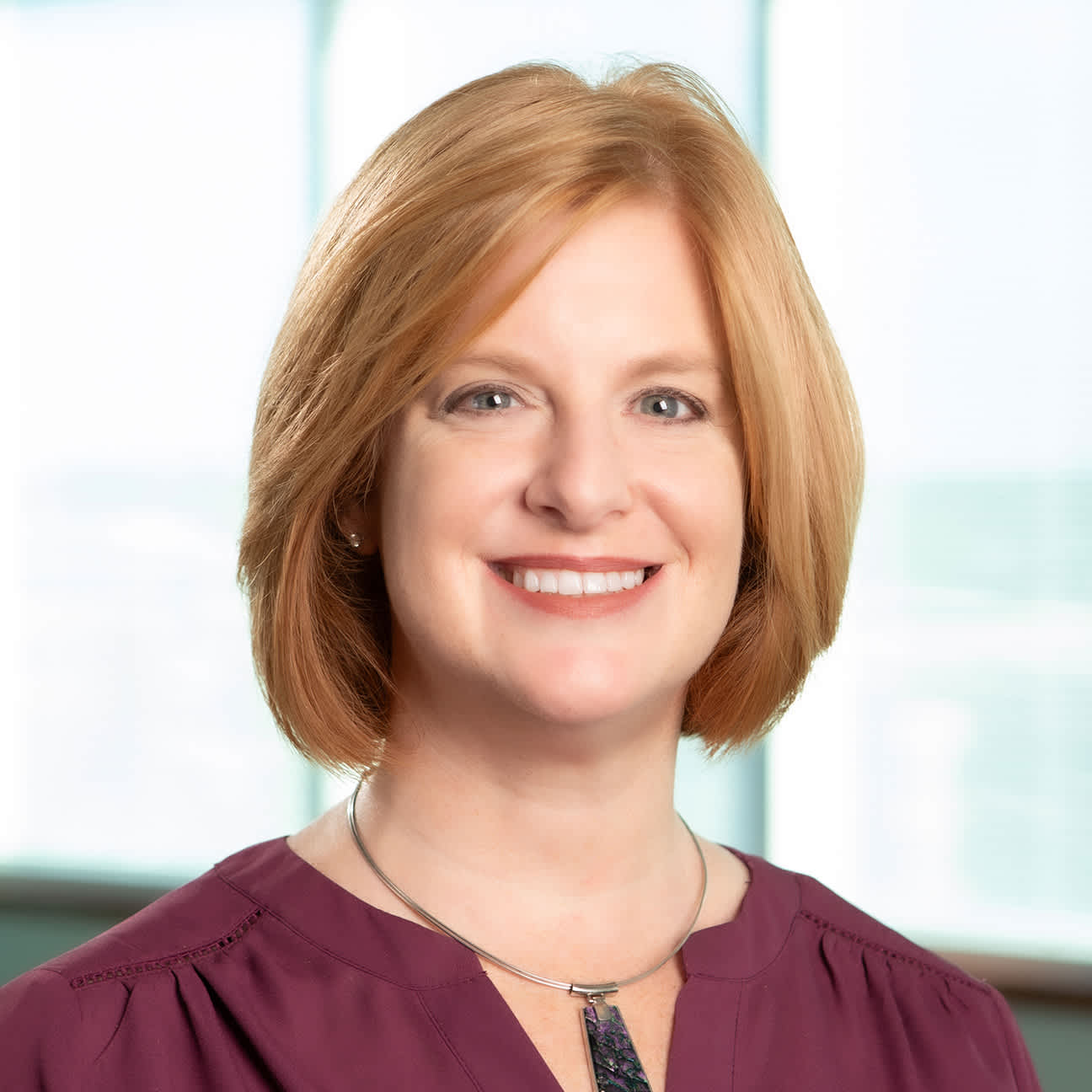
Rebecca Fuller Beeler, PhD
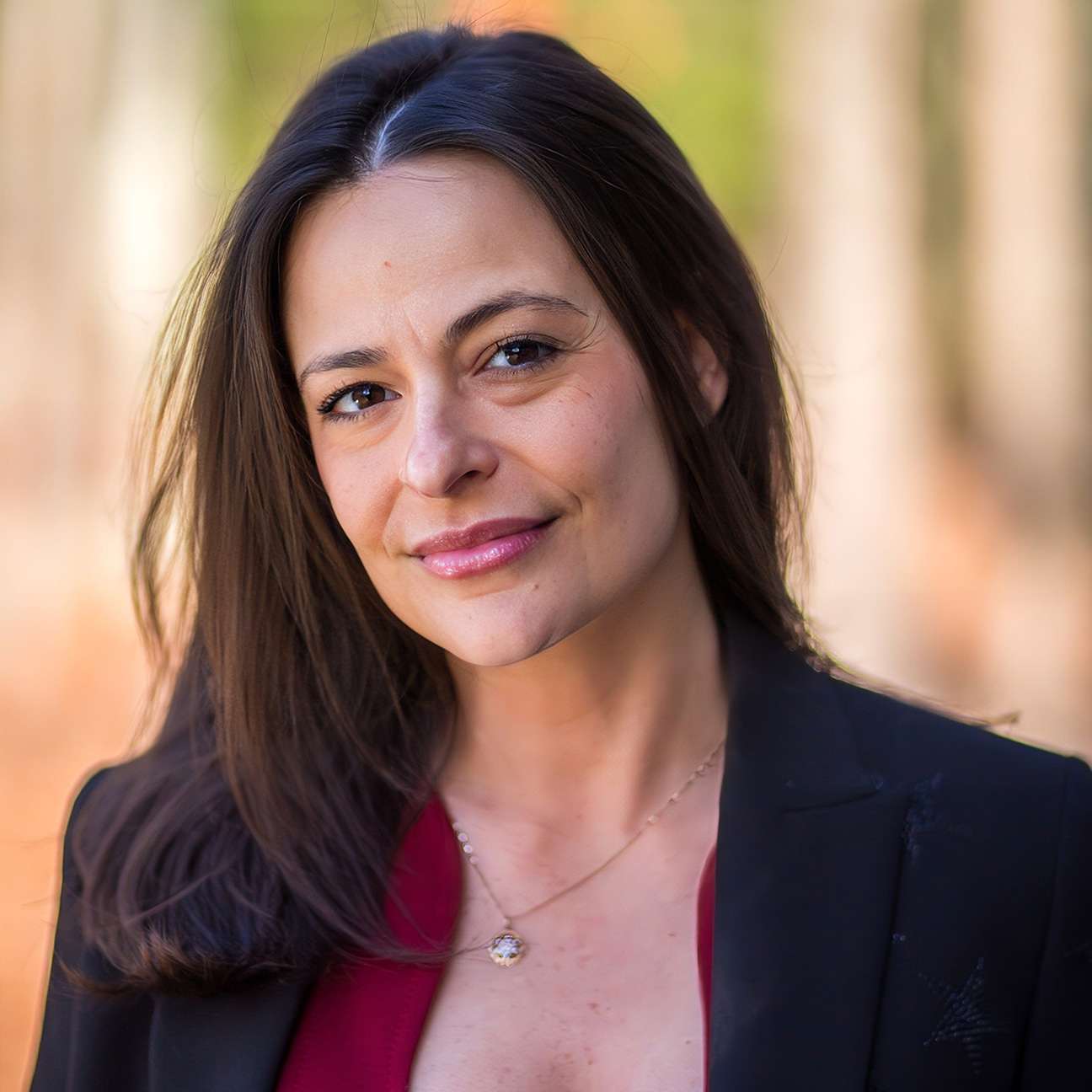
Jess Steier, DrPH
Transcript
Welcome to Inside Family Medicine. We have a special episode today that's part of our partnership with Unbiased Science. We're going to talk about the questions patients ask about vaccines and health, and how we can all be better equipped to blend science and empathy into those conversations. I'm your host, Rebecca Fuller Beeler, and I'm a member of Team AAFP.
Today's guest isn't a family physician like most of our Inside Family Medicine guests are, but like you, she's felt the shift in how vaccine conversations are happening over the last few years. Jess Steier is a public health scientist and founder of Unbiased Science. She's spent years at the intersection of science, communication, and public trust, and she's engaging with thousands of people every day, hearing their questions, their concerns, and their confusion, and studying what actually helps people move from uncertainty to understanding.
Today, she's joining us to share what she's learning so clinicians and care teams can have more effective conversations, not just about vaccines, but about any health topic where trust and clarity matter. Thanks so much for joining us, Jess. I have been looking forward to this conversation. Thank you.
Thank you so much, Rebecca. Thank you, AAFP, for your partnership and support. And to all the family physicians listening, thank you so much for everything that you do.
Yeah. So Jess, you've built your work around really listening to what people are actually asking and not just what they're saying or what words they're using.
So let's start there. Your path into public health and science communication wasn't linear. So what pulled you toward the work you're doing now?
So I'm a public health scientist. My training is actually in evaluation science, evaluating programs and policies. And then early in the pandemic, people started connecting the dots between, oh, you have a degree in public health, there's a public health emergency going on.
So they were asking questions, and I started answering them informally on my personal page, realizing that, wow, there really is an appetite for credible information that's presented, you know, without politics. You know, presented in an apolitical way, with empathy, with patience, with understanding that people have questions, many of which are, are in good faith.
They just really don't know the answers. And so really wanted to create a space that was an independent space where people could get that information and feel free to ask those questions.
And so how was it received? As you, as you got that started, how did you get from, from there to here?
That's a great question.
So how was it received? I'd say, you know, there's always going to be trolls. There are always going to be people who are convinced that there's some sort of ulterior motive. And I'll say, though, that it took me some time, but I think we've built a lot of trust with our audience.
So, we've come a very long way, but now the folks who tune in understand that we're just bringing the best available evidence. We're sharing scientific consensus. We don't think that there are stupid questions, and we don't think that asking questions makes you, you know, inherently anti-science or anti-vaccine or anything like that. So now we've grown. We put out information via social media. We have a podcast. We do long-form content.
And just really, really proud that a good number of the folks who tune in and follow our content are the people who classify themselves as skeptics or as having questions. So that, that did take time. We built it brick by brick.
Yeah, that's great, and it sounds like really the kind of work that family physicians do, that inviting questions and then having those quality evidence-based conversations.
Absolutely, although I will say it's interesting as a non-clinician, my approach has to be a little bit different, and I don't have that trust that I think family physicians often have built into that patient-physician relationship.
Yeah. So one of the things you've said is that public health needs better PR.
So what was missing, and what did you set out to do differently?
Yeah. So I think that we're not tapping into the human element enough, right? I think a lot of the people who are putting out misinformation, disinformation, they do a very good job of tapping into things like fear, concern for our family, anxiety, and they're speaking to us on a human level, where we, I think, in public health have historically sort of fallen into that deficit model where we give all the facts, the information.
But I think it's important that we understand that people are not science robots, right? It's not like we only see the world through a very specific lens. There are other factors that are impacting the information that we're exposed to, the behaviors we ultimately engage in, and so it's not just information.
There, again, there's that big human element. And I'm seeing a shift in science communication from the public health and medical community where we're understanding that there are people behind the questions that we're receiving.
And there's so much research right now that's coming out that's causing people in my role who are doing content for websites like familydoctor.org or who are trying to equip family physicians that are teaching us really important things about do you use vaccines or immunizations? Do you use the word misinformation? How do you tell the story? How do you sandwich the facts with the anecdotes? All of that information that we weren't thinking about four or five or six years ago.
We just needed to get the facts out so that people can go get the COVID vaccine. And it's a different environment now. It is. And I mean, my goodness, I feel like I often talk about the pre- and post-COVID world, and of course, I'm not implying that COVID is not around. I mean a world that has experienced a global pandemic, right?
It's shifted, I think, the way that people get information, the way that we even view our health. And it’s something we could talk more about, but I think that as a generation, we all faced mortality, and you've dealt with this pandemic at the same time, and I think that that's created a shift in the type of information that people expect on these topics.
Yeah. So you're now hearing directly from thousands of people every day who have questions and comments, who watch your videos looking for credible information, who look to you when they see conflicting information and are hoping that the Unbiased Science platforms can help them figure this out. So let's talk about what people are actually asking. What are the common vaccine questions you're hearing from Unbiased Science followers right now?
So first, I'd say that's almost like buckets. I call them personas, but you have the folks who are very maybe crunchy or natural-minded, who are very concerned about specific ingredients. Things like aluminum come up time and time again.
Then there's, you know, this idea that, oh, well, natural immunity, which I think we could all agree should be called, like, survivor immunity or infection immunity, right? Because you have to survive the illness first. You know, there are folks who, who don't believe really that the vaccines are superior or safer than the illness itself.
Then you have a lot of people who fall into this, like, distrust category, where they just generally distrust pharma or they distrust the scientific establishment, and they have, you know, questions about, well, did we properly test these things? You know, what about randomized controlled trial? That's, that's coming up a lot.
And of course, we have those trials, but there are certain reasons, ethical reasons why we can't always have, you know, compared to saline placebo.
What other things come up a lot?
I think, I'm sure your audience has heard a lot about, you know, is this too many vaccines too soon? What about side effects?
You know, are, are they dangerous? Should I be concerned? Lots of questions about the safety of vaccines in pregnancy, what is actually necessary. And just overall, I'd say the shift in thinking of benefit versus risk. You know, does the benefit of the vaccine actually outweigh any potential side effects or harms? But yeah, lots of different questions, and again, I'd say different categories of questions.
So, what do you think people are really getting at with those questions? What's under the surface or what are they truly asking when they ask about ingredients and trials and safety, and does it affect my fertility, or what's the benefit versus risk?
What's underneath that? Health anxiety, the desire to make the best decision for yourself and for your family. You know, I often have to remind myself, I have to remind my team that the mother who chooses not to vaccinate thinks she's making the best decision for her child, right? So, at the end of the day, it's all about how can I best protect my family?
And then I'd say another sort of secondarily, I think there's this just building sentiment of who can I trust, especially in this hyper-politicization era that we're in right now. But really, it's just people wanting to make the best decisions that they can.
Yeah. The vaccine landscape has changed a lot in the last five or six years, as we were talking about a few minutes ago.
And so we've had questions from patients, opportunities for education since COVID started. Every time a new vaccine comes out, there's that opportunity. But we've really seen the conversation change in the last 18, 24 months. What have you seen really change the most in the way people talk about and process immunization information maybe in the last two years?
So, we talk to a lot of folks who will label themselves as skeptical, and what comes up time and time again, unfortunately, is the handling, and I'm using air quotes here, but the "handling" of the pandemic, how we communicated what we did and didn't know, you know, at the time. I think that comes up quite a bit.
Certainly, as I just said, this politicization of science and of medicine and vaccination, which is terrible because, of course, you know, diseases clearly don't care about political affiliations. Right. And then I'd also say there's this thing I just recently learned about, this term disenfranchised grief, which I think a lot of us in the scientific and medical communities, we are... And I can't, I am not a clinician. I can't imagine being on the front lines, but we're tired, we're burnt out, we're frustrated, you know, with a lot of the discourse right now. And so, I think that's led to a lot of us experiencing that anger and frustration, and it sometimes comes out as this disenfranchised grief.
This refers to, and I learned about this term from this great documentary, I'm Still Here, Love, that's all about COVID and follows three families who experience... A loved one died from COVID, and they were not vaccinated. And the families were talking about what they experienced from the scientific and medical communities, which was this judgment, this idea that their loved one wasn't worth mourning because they weren't vaccinated.
And so I think that this is going to be a challenge for those of us in this field to sort of, again, understand that people, we're products of our information ecosystems. We're all exposed to different things. I know when someone, you know, I don't know, a friend who has a very different algorithm than mine opens up her Facebook, she's flooded with things that we'll never see, right?
So just trying again to remind ourselves that it's a whole new world now in 2026. No, but, you know, to that point, it's really easy for us to kind of recite, "Vaccines are safe and effective," or "Vaccines are our number one public health tool in the fight against preventable disease," that we have these sort of pat answers that we are used to saying.
But when people are scared or confused or worried and trying to make the right choice for their families, those simple statements don't work. They're not enough. They don't allay fears. Right. And so you've said that science is really only part of the equation. What does leading with empathy actually look like in a time-pressed clinical visit and when there are, you know, five other things that clinician needs to get to in addition to the do you want your flu shot question?
And again, I'm going to give the disclaimer I always give. I'm not a clinician, so I can say these things, but I'm sure it's very different when you're there in the exam room with your patient. And my husband's an emergency physician, and it's like, you know, obviously he's dealing with these acute pressing medical issues, so I understand sometimes these things take a backseat.
But I'd say the biggest thing is listening first. Just getting a temperature check on, you know, what, what is the person in front of me thinking? What is their reasoning, right? You know, I talked about these personas, these buckets of hesitancy. Just trying to get a feel for what is this person's perspective, and that could change the way you frame the rest of the conversation.
And so an example is, again, if I'm talking to, you know, what I call crunchy natural-minded, that would look... That would be a very different conversation than if I'm speaking to someone who's, let's say, a staunch libertarian who mistrusts the scientific medical establishment. So just getting a glimpse into their thinking by asking simple questions versus telling people what we think that they want to know or should know will just sort of frame the remainder of the conversation.
One other thing, and I don't know if I'm getting ahead of myself here, but I think there's also other touchpoints in a clinical encounter, before the clinical encounter, after the clinical encounter. We could talk about that, but maybe there are ways that we could utilize those resources or that time, understanding that there's such a limited you know, clinical encounter window.
Right. The AAFP has some projects that use the office champions model where... And there's one getting ready to start specifically around immunizations and the culture of immunizations, where we look at how does the front desk interact with that patient? How does the medical assistant who takes the blood pressure and checks the pulse and the temperature interact—right with the physician—interact with the patient? That's what are all those touchpoints along the way so that it doesn't all rest with the physician when he or she walks into the room.
Exactly. Are there framing or storytelling tools that resonate when we're talking about vaccines?
Well, I'd say, and I'm sure the folks listening have already heard this, but I think it gives people such solace to know that the recommendation you're giving is the one that you take for yourself and your family, for your loved ones, right?
I think the fact goes such a long way. That has come up so many times in our conversations with people. It's like they want to know you're not just giving me that canned, "Vaccines are safe and effective. Get your vaccines." They want to know that this is something that you're practicing what you're preaching.
So I think that that, that goes an extremely long way. And again, sorry if that's Captain Obvious over here. Yeah. So the science, the personal story, the lived experience to make sure you're connecting with the patient. The things that, again, the things that family physicians know and probably have done when they, when they have plenty of time but can be challenging in that time-pressed setting.
You know, Jess, we also know that patients are forming opinions in so many different places. There's the social media algorithm that you just mentioned, that you click on one ad or one post one time, and suddenly you get things in your Facebook or Instagram feed that you had no idea existed in the world.
There's the media and podcasts and the person you sit next to at the family reunion, and all kinds of places where we get information. So what role do you see physicians playing in that broader information ecosystem?
First, I'd say I'm so grateful that physicians remain the top trusted source of information that people can trust.
You've developed this, especially family physicians who've built that relationship over time. And I also think it's great seeing more and more, you know, clinicians sort of stepping into social media, but also understanding you can't, my goodness, you can't be everywhere and do all the things, and also some people just don't want to do that.
So recommending to your patients to identify if they are active on social media, finding a source that they like, whether it's Unbiased Science or some of the many, you know, many other great trusted voices who exist on social media. I think encouraging people to find those voices before there's some active, like, crisis or something happening, because then emotions are running high, and they're going to be exposed to so many polarizing things on social media.
So encouraging patients to find those, those voices, again, you know, just before a crisis. Also, and we already touched on it, I think it's amazing hearing what you're doing at AAFP and I forget what you called it, but to having the other people in the office really speak on behalf, you know, of the vaccine safety, for example.
But also thinking about what about the, the time that you're spending in a waiting room? Is there something, is there a, you know, I'm getting very technical, but like a QR code that someone can scan for information? Is there something that... because we're all, I know I get a notification, a text, or an email when I make an appointment or an office recap.
Like, let's just really try to think outside the box about all those different touchpoints and ways that, that we can to reach patients.
Yeah. That's great. We'll put in the show notes for our listeners some of the social media accounts that you can recommend that your patients follow, as well as some links to immunization resources and science resources, both AAFP and other organizations, so that you've got those handy if you want to recommend them to your patients.
So you mentioned a little earlier about the weariness that some clinicians are feeling right now, and certainly family physicians and their internal medicine and OB/GYN colleagues, and then nurses and nurse practitioners and physicians assistants, and all of the people on the front lines have been having these conversations often in very limited amounts of time for a long time, and many of them are weary.
So what's something you hope they remember the next time they're sitting across from a patient who's really unsure about getting vaccinated or about their kid getting vaccinated? I would remind them that a lot of times these, the hesitancy or the skepticism traces back to these, like, very deeply held beliefs.
So you're not always going to just, you know, snap your fingers and change the mind of the person sitting in front of you. And I think all too often we set ourselves up, or we measure ourselves against that standard, that the only outcome that can show success is getting a shot in the arm that day when you're sitting across from your patient.
The reality is that you may be planting seeds that you're unaware of. You know, that conversation, maybe the patient sitting in front of you is less likely to share a post that has misinformation about vaccines or, or other topics to their own page. So you, again, you never know what's happening in that moment.
You might be moving the needle, and while the goal is shots in arms, of course, that doesn't always happen right away. So you might still be successful in ways that you can't measure in that moment. Yeah. It's so easy to feel a little disheartened by what feels like attacks on science, and declining vaccination rates, and these systems and infrastructures that their foundations are certainly being knocked off kilter.
Some of them feel like they're being dismantled. But in the midst of that, I know I personally have been really encouraged by conversations with colleagues at other medical societies, and coalitions, and communication firms who are all working together to get credible information into the public's hands. And so that's encouraged me.
I'm curious, when you think about the future of vaccine communication, what gives you hope or what encourages you?
I'm going to steal, steal your answer because that's the honest one for me. It's that we continue to stand up in spite of the weariness, and the exhaustion, and the frustration, and the anger that a lot of us are feeling.
We care about public health. We care, you care about your patients, right, to the clinicians who are listening. And I think it would be really easy to just throw our hands up and say, "Oh, you know, they're going to figure it out when people get sick or we see this, you know, increase in infection, and disease, and death, and all, you know, all those terrible outcomes," but we're not willing to settle for that.
And, and I think that that speaks volumes. We also stay, organizations like AAFP, it's just incredible to me how you stay true to the science and evidence despite all the other things that are going on politically, whatever it is. You just, your North Star is the evidence, and I think that that's incredible.
I really, really admire that. I'm sure it's not always easy to do that. The other thing is that I think we are getting ourselves out of the deficit model. I think we are coming to terms with this moment that we're in, and we're getting creative, and we're adapting, and we're realizing what we are up against.
You know, it's not just data and evidence, it's also treating people as people, understanding that there's a lot of factors that people weigh. It's borrowing from other disciplines like PR, and marketing, and communications, and I see people doing that and really changing the course of science communication and the way we communicate about these topics.
So I think it's inspiring, and just really, again, just want to thank you, AAFP, for the work that you're doing because you're really leading the way. So thank you. Well, and at the end of the day, you know, a lot of what you've talked about is what family medicine does best, right? It's meeting patients where they are and helping them make informed decisions that the patient feels really good about, and that also helps keep their family healthy and safe.
So thanks for joining us, Jess, and helping us brush up on our skills for having really important conversations about science and vaccines, and thanks for the work you and your colleagues do at Unbiased Science.
To our listeners, if you'd like to learn more about having quality and effective conversations with your patients about vaccines or about our partnership with Unbiased Science, we have lots of links in the show notes that will help equip you for that.
We'll also add some of those links for really credible sources that you can share with your patients. And if you enjoyed today's episode, let us know by dropping a line to aafpnews@aafp.org. Be sure to share the episode with your followers and your care teams and colleagues on social media and tag the AAFP.
We'll see you next time on Inside Family Medicine.
Resources
Disclaimer
Copyright 2026. AAFP. The views presented in this broadcast are the speakers own and do not represent those of AAFP. The information presented is for general, educational or entertainment purposes and should not be considered legal, health, financial or other advice. AAFP makes no representation as to the accuracy or completeness of the information and is not responsible for results that may arise from its use. Consult an appropriate professional concerning your specific situation and respective governing bodies for applicable laws. Reference to any specific product or entity does not constitute an endorsement or recommendation by AAFP unless specifically stated otherwise. AAFP and the AAFP logo are registered trademarks of American Academy of Family Physicians.