
IFM | Foundations of integrative and whole health: This is family medicine
Show notes
In this episode of the Inside Family Medicine podcast, recorded at FMX, host Rebecca Fuller Beeler, PhD, talks with Rashmi Mullur, MD, ABOIM; Melanie Fiorella, MD; Rachel Abrams, MD, MHS, ABFP, ABOIM; and Jean Davis, PhD, DC, PA, MSCR, AAHIVM, FAIHM; about how integrative medicine and whole-person health can complement the work family physicians already do every day.
The panel begins by defining whole-person health as an approach that places patients, their goals and their values at the center of care. They discuss the natural overlap between family medicine and integrative health, including an emphasis on prevention, lifestyle, relationships, social factors, and understanding the broader context in which patients live. Abrams also highlights research from the Veterans Health Administration’s Whole Health program, where this approach has been associated with improved patient and clinician experiences and reduced use of some health care services.
The physicians share their own paths into integrative medicine and explain how it can expand the family physician’s clinical toolbox. That may include deeper attention to nutrition and lifestyle, mind-body approaches, traditional healing practices, supplements and relationships with professionals such as acupuncturists and other community-based practitioners. Rather than creating another checklist for physicians, the panel encourages clinicians to start by understanding what matters to a patient and incorporating evidence-informed approaches into care that is already being provided.
The conversation also tackles supplements and other health information patients increasingly encounter online. The panelists encourage physicians not to dismiss questions when evidence is uncertain, but instead to investigate with patients, discuss potential benefits and harms and consider medication or supplement interactions. They emphasize that maintaining an open dialogue can help preserve trust and prevent patients from turning exclusively to less reliable sources of health information.
Finally, the panel challenges the perception that integrative medicine is only for affluent or particularly health-conscious patients. Whole-person approaches can be adapted for patients with disabilities, chronic illnesses and limited resources and may be especially valuable for people whose health is shaped by complex social circumstances. The guests also discuss bringing integrative health into medical education and encourage physicians to begin with something small—whether learning more about nutrition, supplements or mindfulness—while keeping listening and the patient-physician relationship at the center of care.
Editor’s Note
Whole health encompasses a range of approaches to care that support patients’ individual needs, goals and values. In this podcast, presenters from the Academy of Integrative Medicine discuss how integrative medicine is one of those approaches, offering additional options that can contribute to a patient’s whole health. They describe this work in the context of the Department of Veterans Affairs’ Whole Health Model, a framework for improving patient and clinician experiences.
The AAFP considers how integrative medicine and other approaches to whole health can help family physicians provide comprehensive, patient-centered care. Our focus is on understanding how to better support family physicians in helping patients make informed choices about their care, while also identifying the barriers that make it difficult to incorporate whole health approaches into everyday practice.
Episode hosts
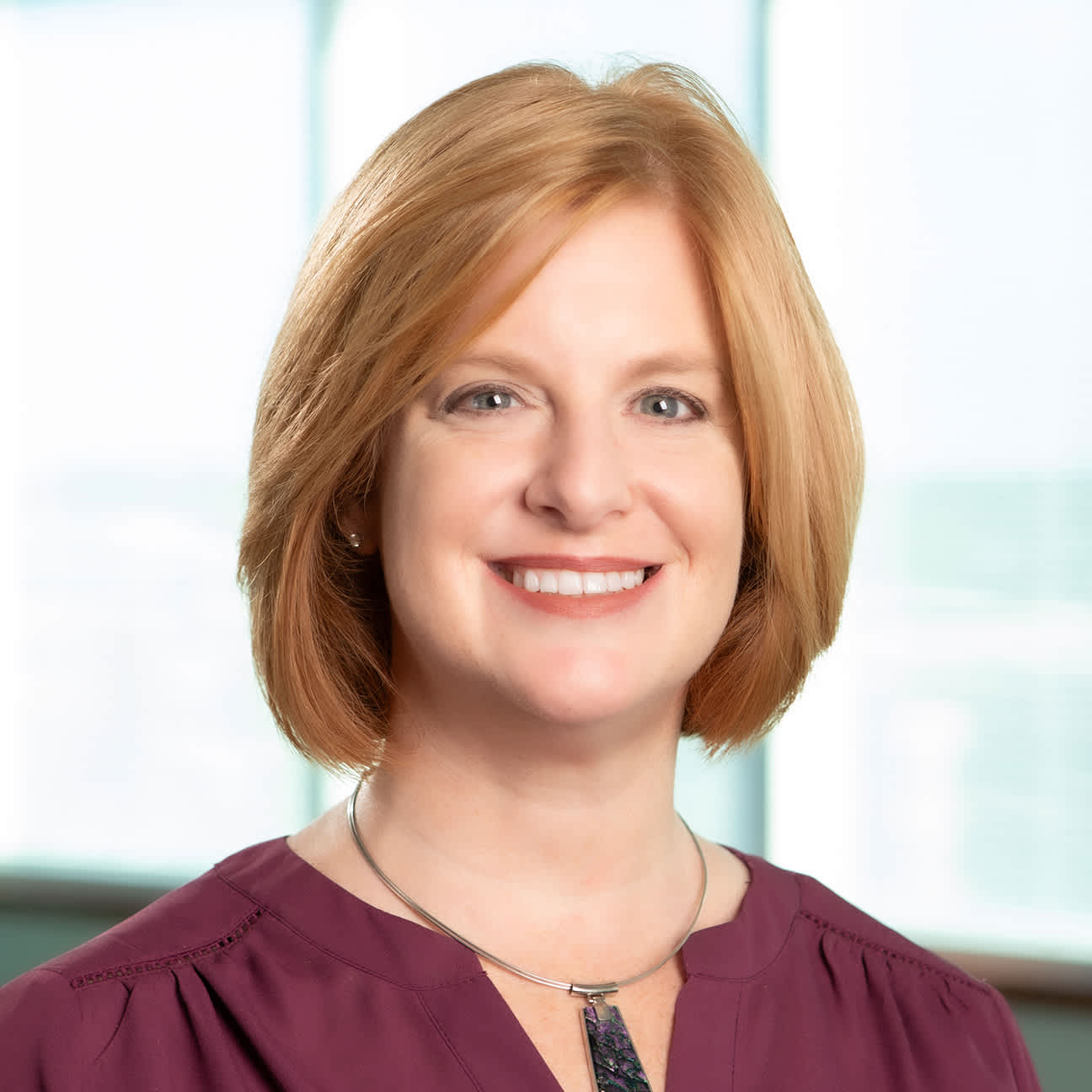
Rebecca Fuller Beeler, PhD
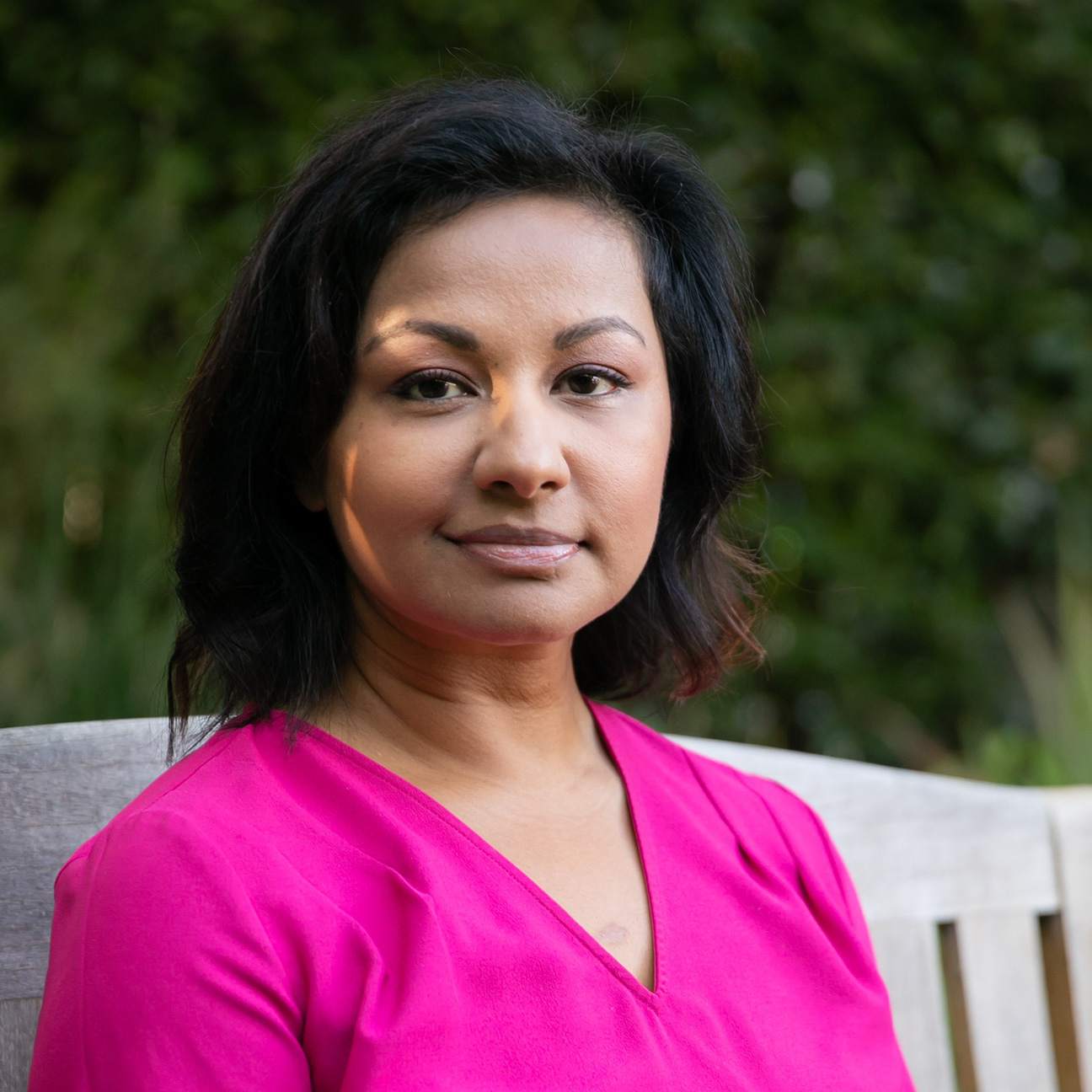
Rashmi Mullur, MD, ABOIM
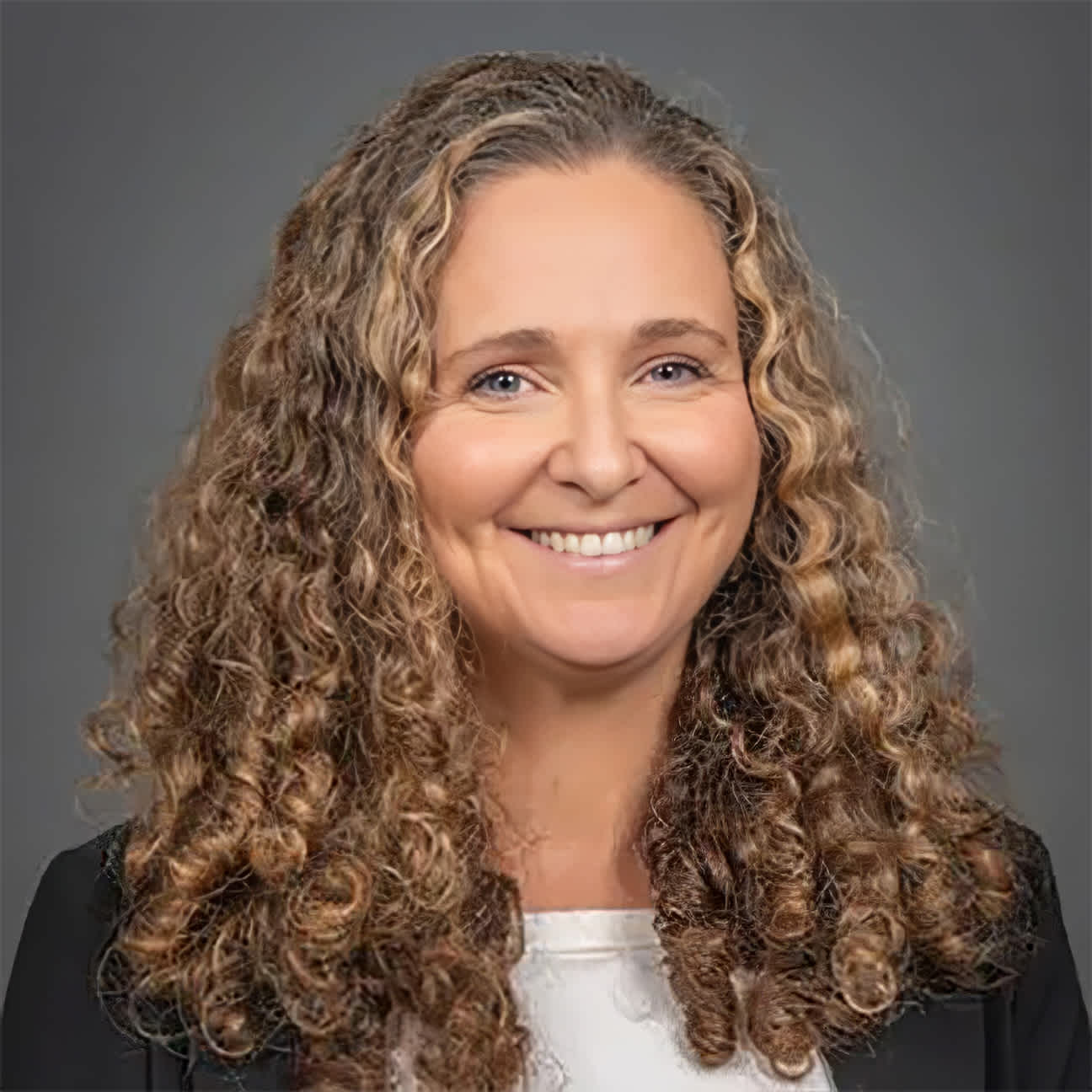
Melanie Fiorella, MD
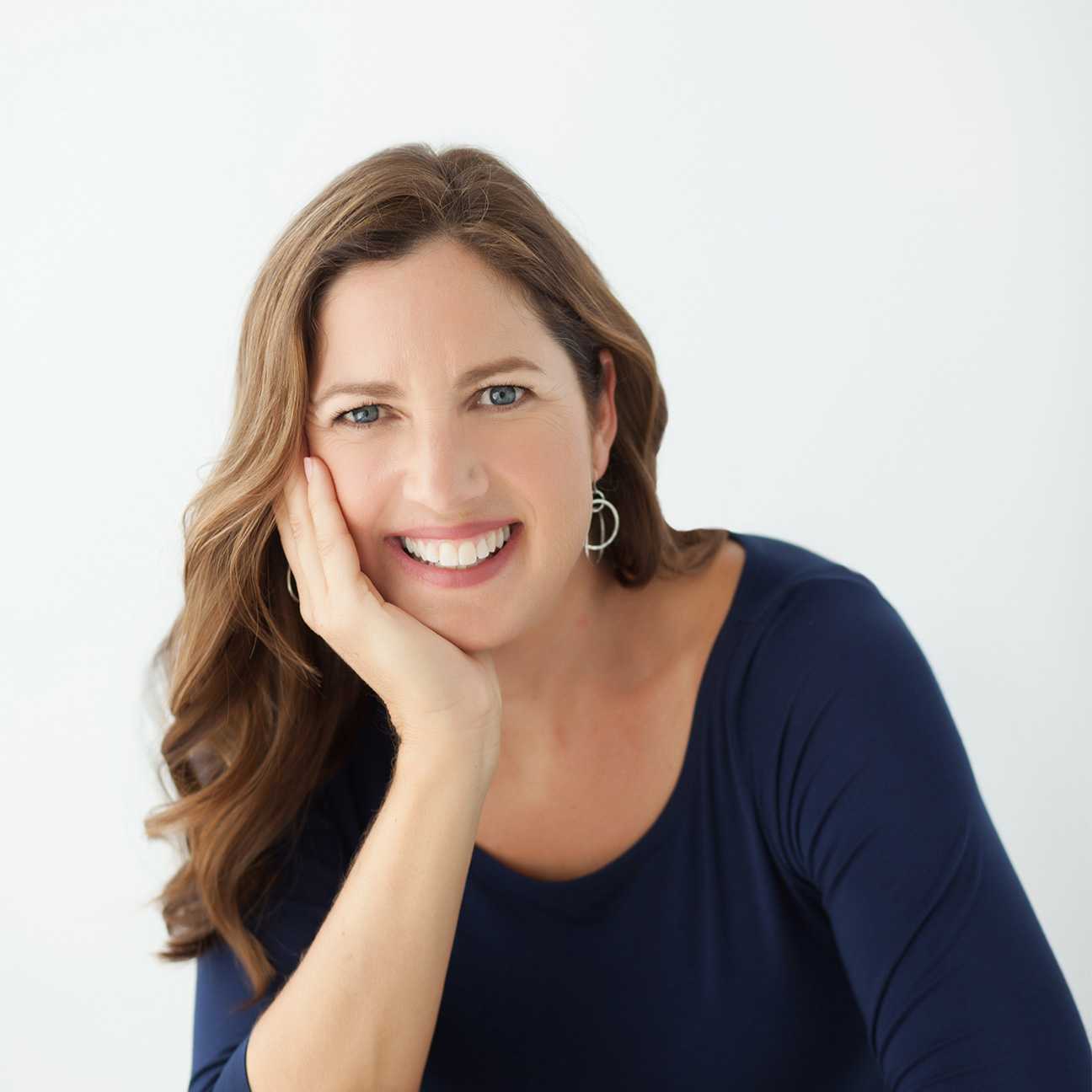
Rachel Abrams, MD, MHS, ABFP, ABOIM
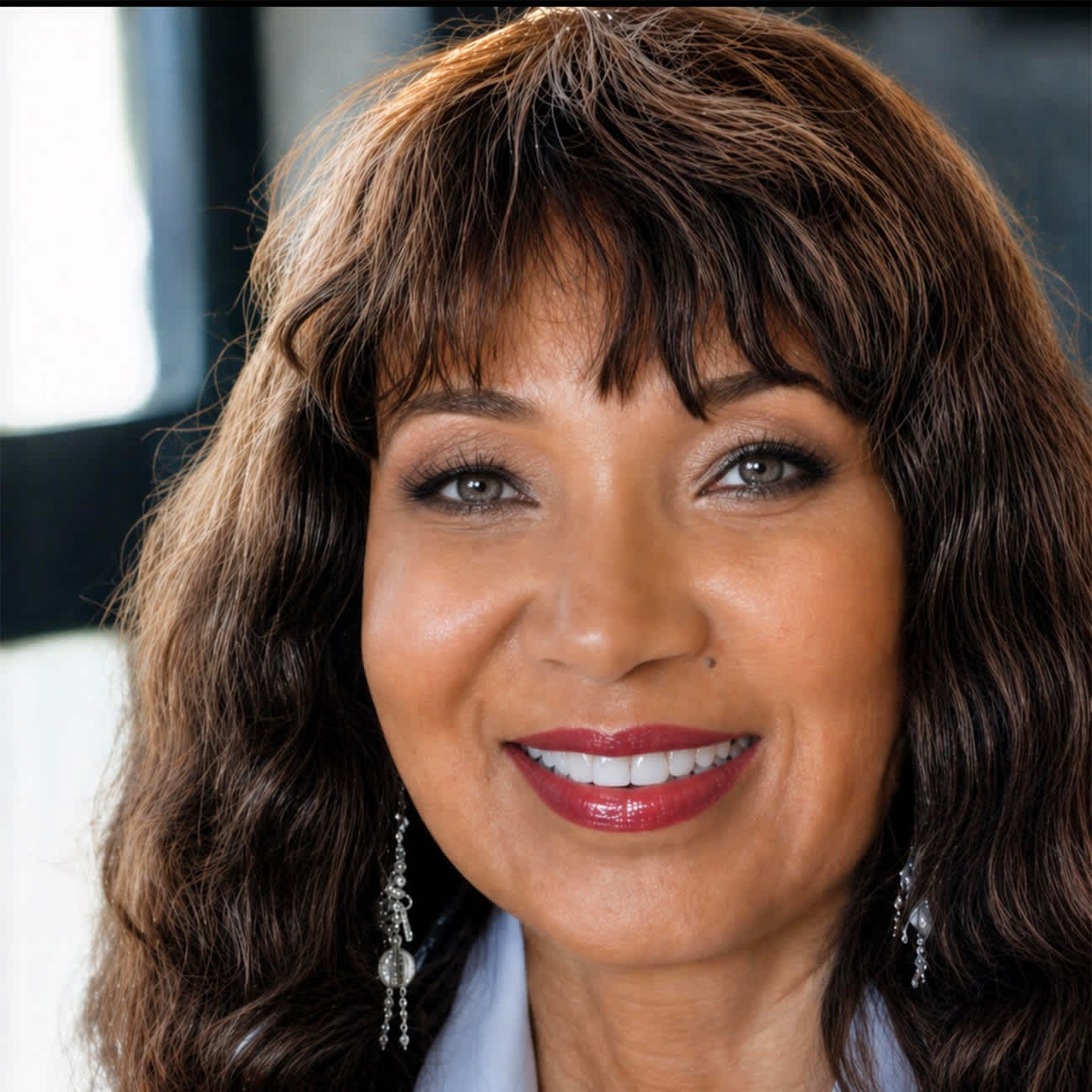
Jean Davis, PhD, DC, PA, MSCR, AAHIVM, FAIHM
Transcript
Welcome to Inside Family Medicine. I'm Rebecca Fuller Beeler, a member of AAFP's leadership team and your host for today's episode. This is the first year the Academy of Integrative Health and Medicine, also known as AIHM, has joined us at FMX to present practical strategies for incorporating whole-person, relationship-centered, and evidence- informed approaches into everyday family medicine to improve patient outcomes and clinician well-being.
Today, we'll discuss how conventional medicine and integrative health can work together to improve health, not just manage symptoms. This includes the different ways family physicians can use integrative care principles in their practice and strengthen their relationships with patients. Joining me today are Dr. Rashmi Mullur, Dr. Melanie Fiorella, Dr. Rachel Abrams, and Dr. Jean Davis, who were panelists at the FMX session, A Conversation about the Foundations of Integrative and Whole Health: This is Family Medicine. Welcome to Inside Family Medicine. So, Rashmi, let's start our conversation with a really big but essential question.
How do you define whole-person health and the role of integrative medicine in creating whole-person health?
Thank you so much. That's a great question and something that I think baffles a lot of people who come to these terms. The way I like to define it is that whole-person health is a conceptual approach to care, where we put the patient at the center of the care and allow them to define what areas of care that they want to focus on based on their values and goals.
Integrative health includes all the healing modalities that a patient might choose that fall under that approach to care. And lifestyle medicine is foundational to all of the approaches in both integrative health and whole person health. So, I like to think of it as really seeing the person as a whole and allowing the patient to guide the approach that's going to benefit their healing, and this is really patient-driven and doctor-guided.
Rachel, you studied family medicine, and so, let's double-click a little bit into this idea of whole-person health and integrative health as it relates to family medicine.
Implementing integrative care into primary care has proven to improve patient experience, clinical outcomes, and workforce satisfaction. So, what research can you tell us about that has demonstrated the effectiveness of implementing integrative care into traditional care models?
Thank you for asking. So there has been a lot of research over the years on the effectiveness of integrative models. Because, really, as family medicine values, integrative medicine or whole health both look at all aspects of care. We look at equity, we look at access, we look at the social environment and relationships.
We always keep the patient at the center and really use that relationship with the patient as the guiding force. So, the research on this is that when you look at those things, when you actually see the patient as a whole, when you address the root cause of disease, the outcomes are better.
The most recent research and the most comprehensive research is around the whole health programs that were implemented at the Veterans Administration, at the VA, throughout the United States. So it's effective in terms of better patient outcomes, less hospitalizations, less surgeries and happier doctors. I mean, who doesn't want that?
Happier patients and also happier clinical staff. And though we love all of those things, we all know that, unfortunately, money is what drives things. The whole health programs at the VA also saved a significant amount of money per member, and that's why the VA—which started this as a pilot program—is now spreading this whole health program throughout all of their facilities in the United States.
Fascinating. I'd love to hear a little bit more about your journeys and how you got here. So, can you share a little bit more, Rachel, about your journey and how you moved from family medicine into integrative health and how you're sitting here today?
Yep. So, I loved family medicine in particular because it was the most integrative specialty, that I was really interested in everything about people and doing comprehensive care and really interested in root cause.
I was in family practice in a multi-specialty clinic, and frustrated, as I think all family docs are, by the amount of time I had and how the thing that matters most—like, for example, you're with somebody—it's a typical 15-minute visit. You're talking about chronic pain or fibromyalgia or irritable bowel syndrome or any number of things that are difficult to treat and complex.
And at minute 14 they say, "Yes, I did have a difficult experience as a young person," that there is a history of trauma, and there you are having to make that decision: am I going to honor the patient or am I going to be late in my day and honor the patient, or am I going to cut them off and try to get them back in for another visit.
It's a really frustrating way to practice. So, I ended up stepping away from that and doing integrative practice, and it differs in two ways. One is that I had a few more tools in my tool belt. So integrative medicine includes knowing a lot about traditional Chinese medicine, Ayurvedic medicine, herbal medicine, preventive medicine, lifestyle medicine, as well as having that closer, more comprehensive intake and relationship with patients. That is what I wanted.
And I went into private practice then and loved that for about 15 years. Now I'm doing membership practice where I actually am leading, because it's hard to educate during these small visits, where I'm doing education with the whole group. And then even pairing them up with each other for individual support and accountability and then using integrative teaching methods.
And it's my favorite way that I've practiced so far, so happy to speak more. But I do think that small group coaching, which is an integral part of the whole health program, is a really effective way to use integrative medicine in a family practice environment.
Jean, you are a Jean of all trades. So, tell us a little bit about how you found your way to integrative medicine.
Well, I started my career as a physician assistant in family medicine, and I was working in a clinic where there was a chiropractor. So, I decided to go back and get a degree in chiropractic. And by merging the two of them, even though the term integrative medicine was not used, that's exactly what we were doing.
Then I became an HIV specialist, and in HIV there is interprofessional care, but I found that it was not whole-person care. The focus was only on HIV, although we had a social worker, a treatment advocate, a patient advocate, and the RN caseworker who handled housing. It still was not treating the whole person. Unlike with Rachel, if my patient came in and they had a problem, I could always say, "Go over to social services," and refer them.
But the focus was always on HIV, not on the entire person. Patients would come in with problems, say, "Well, because I have HIV, I have hypertension." And I had to explain that HIV does not cause hypertension, and go through what causes your hypertension, what we can do to work together to reduce it, and also put you on medication.
And in the medically underserved community, a lot of their focus of control is not within themselves. It's within the provider, or oftentimes it's within God. And the story I love to tell is that a grandmother came in and had to have a physical exam because she was changing her life insurance over to her grandchildren.
And when she had the physical exam, her test came back HIV-positive, so they referred her over to me. And so, she came in. She said, "No, I know I don't have HIV." I said, "Well, let's do a test and let's come back and let's talk about it." And she came back, so she said, "I had a dream. I had a dream that a snake was in bed with my daughter, but its head was cut off, so that means I don't have HIV."
And I said, "No, what that means is that you do have HIV, but your viral load is so low, and your CD4 is so high; we don't have to start treatment." And I think it's important to meet the patients where they are. Even though our belief system may not be the same, we have to meet them and have the same belief system to move them forward with their health.
And meeting people where they are is so integral to family medicine; that's absolutely a core practice that I think everybody can relate to.
I agree.
So, Melanie, you are also a family physician. Yes. What can integrative care look like in family medicine? How does it naturally align, and what can it look like when the two are combined?
Absolutely. I have found that my journey brought me to integrative medicine, and because I was interested in it, I moved into family medicine because I saw that natural alignment. Again, at the core, there's lifestyle medicine, which is in both the training in family medicine and integrative medicine. And then, as we are managing chronic disease in family medicine, especially in a clinic where I get to meet the spouse or the kids or even the, you know, the grandparents, I can see the context in which a patient lives and really understand the dynamics that are affecting them as a person.
So that's both integrative and family medicine. And then if I'm managing medications or diabetes medications, I'm really using my integrative toolbox and my deeper understanding of nutrition and supplementation to either offset side effects without needing to add more medication or look for nutrient deficiencies that may be at the root cause.
So, I can, you know, dig a little deeper than I would with family medicine alone, but the marriage is really very good.
So, the AIHM sessions that you have presented at FMX this year focused on topics like managing chronic disease, implementing clinical models, and coordinating patient care. Tell us a little more about some of the opportunities there are for integrative medicine ideas to fit into family medicine without physicians feeling like it's one more thing they have to do.
How does it become part of the practice and not four more things on the checklist?
Sure. Well, again, I think going back to having that deep understanding of how the patient is living and what's important to them, so really, homing in there. And then knowing, so if someone is on metformin, for instance, understanding the nutrient deficiencies that may be causing some of their symptoms.
And then also developing a strong partnership with an acupuncturist in the community or a, you know, a good yoga studio that is practicing safely. Having that understanding so you know who you can partner with beyond the normal referral system that we have, it fits very seamlessly and gives — it also allows us to speak to our patients, with an evidence base because they're getting information from social media and from other places, so we can feel very confident and build the trust that they can come to us and ask questions, and we'll, we'll hear them out.
I'm going to throw a little curveball at you, something we didn't talk about before we started recording. But you brought up that patients are getting information from other places, and so supplements are a popular topic on social media and some things that might be considered alternative medicine.
What are some of the common things you're hearing, and how are you able to use integrative medicine to help patients understand the good from the bad or the evidence- based from the non-evidence-based? And I'll let whoever wants to jump in on that do it.
Yeah. So, I'll jump in on that. I think this is one of the biggest responsibilities we have, as physicians, is to provide appropriate guidance and knowledge, because so many times a patient will come into my office asking a question about a supplement that they saw online or a friend is taking, and a knee-jerk reaction is often to say, "Well, I don't know about that," or, "There's no evidence for that."
And that drives patients away, and it actually makes them go further into that evidence and say, "Well, this is what my doctor didn't tell me or didn't want to tell me." And I think the best way to fight that is head-on and to say, "Let's look this up together." And so, what I teach my medical students and all my trainees is to be able to find easily accessible resources so that within a patient visit you can go through their supplement history and identify why the patient's taking it, how much this is costing them, and if this makes sense for their care model, right?
Because the truth is, if we don't take this head-on, the patient's going to spend money and resources doing it anyway, and that could lead to harm. Not in all cases, but there's definitely potential.
Harm and confusion, right? Absolutely. If you go to the store and you see that aisle of bottles, it can get overwhelming really quickly. Yeah. And so, to have somebody that you trust and who accepts your questions is really important.
So, what discourages family physicians from pursuing integrative medicine? And did you have hesitation early in your journey? Did it seem woo?
I would say that it definitely seems woo to folks. And what I want to say particularly to this community that I love with all my heart, because it's my community, is that this, what we are doing, the Academy of Integrative Health and Medicine, is evidence-based integrative medicine.
So, for example, when that patient comes in, and this happens to me all the time, asking about creatine. Well, we actually have research about who it helps, how much, for what reason, and not for everyone. And the training really is invitational in that you can have a taste of it. You can just come to the AIHM here at the AAFP conference.
You can come to another conference we do. You can do a little bit of online learning. You don't have to go all in; I'm going to do a fellowship, or I'm not going to do it at all. I think any learning at all is really helpful and fills out your practice and helps those patients who are taking advantage of integrative approaches.
And I also think that we do a lot of training not just on what people should do in terms of lifestyle, but how to handle what's blocking them from doing it. Because anyone can say, "You need to eat better. You need to exercise more." The real question is, what's getting in the way of you being able to do this?
"Oh, it's not safe to walk in my neighborhood." Or, then helping people brainstorm about what matters, and then taking advantage of those other folks you work with, the social worker, the nutritionist, to do some of that education for you or to do it in groups.
I was going to agree. I think the evidence base, the perception of a lack of evidence base, is something that causes hesitancy.
I will say an exciting area is in mind-body medicine. We now have functional MRIs that are showing actual changes in the neural pathways that are validating many of these practices that we know from experience. The other thing is understanding the evidence base and then experiencing things for yourself, I think, is extremely helpful.
From a mind-body standpoint, we would say, you know, a meditation practice or learning mindfulness. And even if you don't, you're not saying that to your patient; how you show up for your patient is different. So, I think family medicine again is just, it's already primed to do these things. It's just sort of feeling validated and saying, "Yes, this is evidence-based."
Rashmi, are there misconceptions about what kinds of patients benefit or what your patient panel can or should look like if you do integrative medicine as part of your practice?
Yes. I think there is a lot of bias, from both patients and healthcare providers, on who's practicing integrative medicine or who deserves integrative care.
And often it centers around people who are otherwise quote-unquote, "worried well" or affluent or are health-conscious. But the truth of the matter is, and I speak from personal experience, our most vulnerable patients need this approach more than ever, and this shouldn't be gatekept to make sure that patients jump through multiple hoops to optimize their lifestyle and optimize their entire care plan before they're offered a mindfulness approach or yoga or any integrative approach that they choose.
This can be accessible. It can be adapted for disabilities. It is actually a way to reach people where they are, and I think that the biggest misconception I hear is, "Oh, that's not for me. That's for other people." But the truth is, this is for everyone.
So, we've talked about some of the ways that it can be integrated, and some of the benefits.
Typically, integrative medicine concepts haven't been part of medical training. And so how would learning about integrative medicine help students and residents as they build their careers?
Yeah. I actually am fortunate that I lead a curriculum at my university at UCLA on integrative health, where students get foundational training in what it means to take a whole-person approach to care.
And I think that's so important because students come in wanting to be surgeons, wanting to be OBGYNs, wanting to be family practice doctors. And all of our patients are using these approaches, and every single subspecialty needs to understand what our patients are using, whether they are trying a new supplement, trying a new functional medicine approach, or seeing a naturopath, or have some cultural practice or tradition that makes them feel healthy and well.
And what I want to train our students to be able to do is to meet the moment, to see people as whole people, and acknowledge and accept their practices even if we don't necessarily prescribe those practices. But to allow the patient to express themselves and be able to provide some advice or guidance without dismissing, I think that is the goal.
And honestly, the more students I teach, the more students come to realize, "Hey, I actually want to learn a little bit more about this," and I think that's exciting.
Yeah. That is exciting and shows that there's interest in figuring out all the way that they can support their patients in their future practice.
So, as we wrap up, I would love to hear from each of you: what is one thing that you hope listeners of this either take away or one step you hope they take after listening to this?
So, one thing I've experienced in teaching medical students and residents in integrative medicine is that they have an aha moment that they've come back to why they went into medicine to begin with many times.
And I just wanted to say that people who pivot their careers, you know, feel burnout, and then come to find integrative medicine; it really does feel like coming home for many people. So, I'm just encouraging people to explore it at whatever level they can find.
Yeah, and building on that, I would say that my experience of people coming home to family medicine, what we were trained in, includes reestablishing that relationship with the patient, and that there are a variety of ways to do that.
And really deeply listening to somebody's story is the heart of integrative medicine. Billing for time is one way to do that. Doing group education is another way to do that. And then I would say just start with something small. Get a little bit more education about nutrition. Get a little bit more education about herbs and supplements.
And as Melanie said, try something out yourself and see how it works for you. I think that's how most people get started. And I am hoping for a world where there isn't family practice and integrative medicine as separate disciplines, that really, we are in fact integrated, as we should be, and whole. Yeah, to echo all my panelists here, I would agree with all of that and say I, I really just want integrative and whole-person health to be accessible for our patients most in need, and that is my mission. I see it at the VA where I work. I see it with my most vulnerable patients, and I want physicians to be able to have conversations and not dismiss our patients.
And Tina? And I agree, and I think it's extremely important that we start educating our patients. The group visit that Rachel's talking about, including them to learn something about whole health and understand that it's not a privilege. It's actually their right. Oftentimes when patients come in with chronic diseases, not knowing how hypertension, diabetes cause kidney disease and understanding, "Well, do you want to be on dialysis?"
And not trying to frighten the patient, but give them information, like, "We need to stop this now. Prevention is extremely important." But they don't look at themselves as a whole. I have hypertension; I have diabetes. Those are two different things, and they don't understand the importance of how it's impacting the rest of their organs.
Thank you so much, Dr. Mullur, Dr. Fiorella, Dr. Abrams, Dr. Davis, for being with us today and for sharing your insights, also for coming to FMX and sharing your knowledge with the larger group of family physicians who are here today. We appreciate that and appreciate you being our guests on Inside Family Medicine and for taking the time to share how integrative medicine can partner with family medicine to create whole-person health.
And thanks to everyone listening to Inside Family Medicine. You can visit aafp.org for more resources on whole health, and if you enjoyed today's episode, let us know by dropping a line to aafpnews@aafp.org. And be sure to share the episode with your followers on social media and tag the AAFP. We'll see you next time on Inside Family Medicine.
Resources
Disclaimer
Copyright 2026. AAFP. The views presented in this broadcast are the speakers own and do not represent those of AAFP. The information presented is for general, educational or entertainment purposes and should not be considered legal, health, financial or other advice. AAFP makes no representation as to the accuracy or completeness of the information and is not responsible for results that may arise from its use. Consult an appropriate professional concerning your specific situation and respective governing bodies for applicable laws. Reference to any specific product or entity does not constitute an endorsement or recommendation by AAFP unless specifically stated otherwise. AAFP and the AAFP logo are registered trademarks of American Academy of Family Physicians.