
IFM | The FMIG effect: Finding community, building leaders and choosing family medicine
Show notes
In this episode of the Inside Family Medicine podcast, host Adam Bradley, AAFP manager of student choice, explores how Family Medicine Interest Groups (FMIGs) help medical students discover the possibilities within family medicine.
Student leaders Sharleen Cineas of Burrell College of Osteopathic Medicine and Gabriella Morin of East Carolina University’s Brody School of Medicine share what drew them to family medicine. They discuss the specialty’s emphasis on treating the whole person, caring for patients throughout their lives and understanding the social and community factors that influence health.
The conversation highlights how FMIG involvement can provide students with mentorship, community, leadership experience and opportunities to advocate for patients. They discuss how their FMIGs helped them build confidence, connect with family physicians and explore the wide range of procedures, fellowships and career paths available within the specialty.
They also share successful events organized by their award-winning FMIGs, including community health fairs and hands-on clinical procedure workshops. The discussion offers practical ideas for planning affordable events, forming partnerships, recruiting members and building an FMIG leadership team that can sustain the organization over time.
Episode hosts
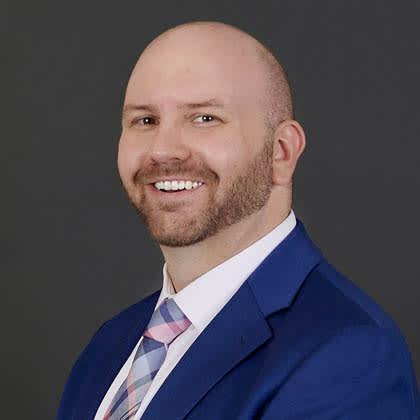
Adam Bradley
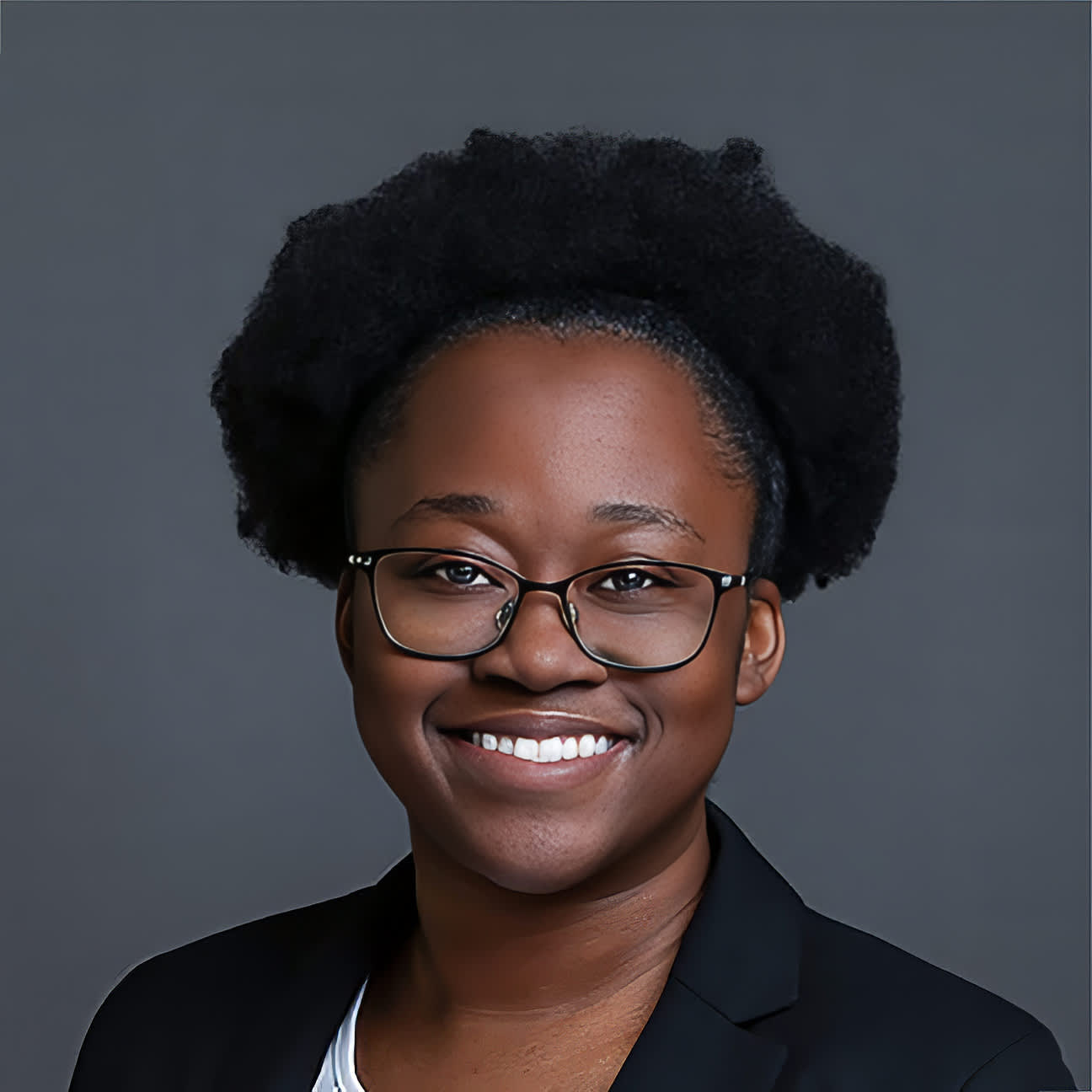
Sharleen Cineas
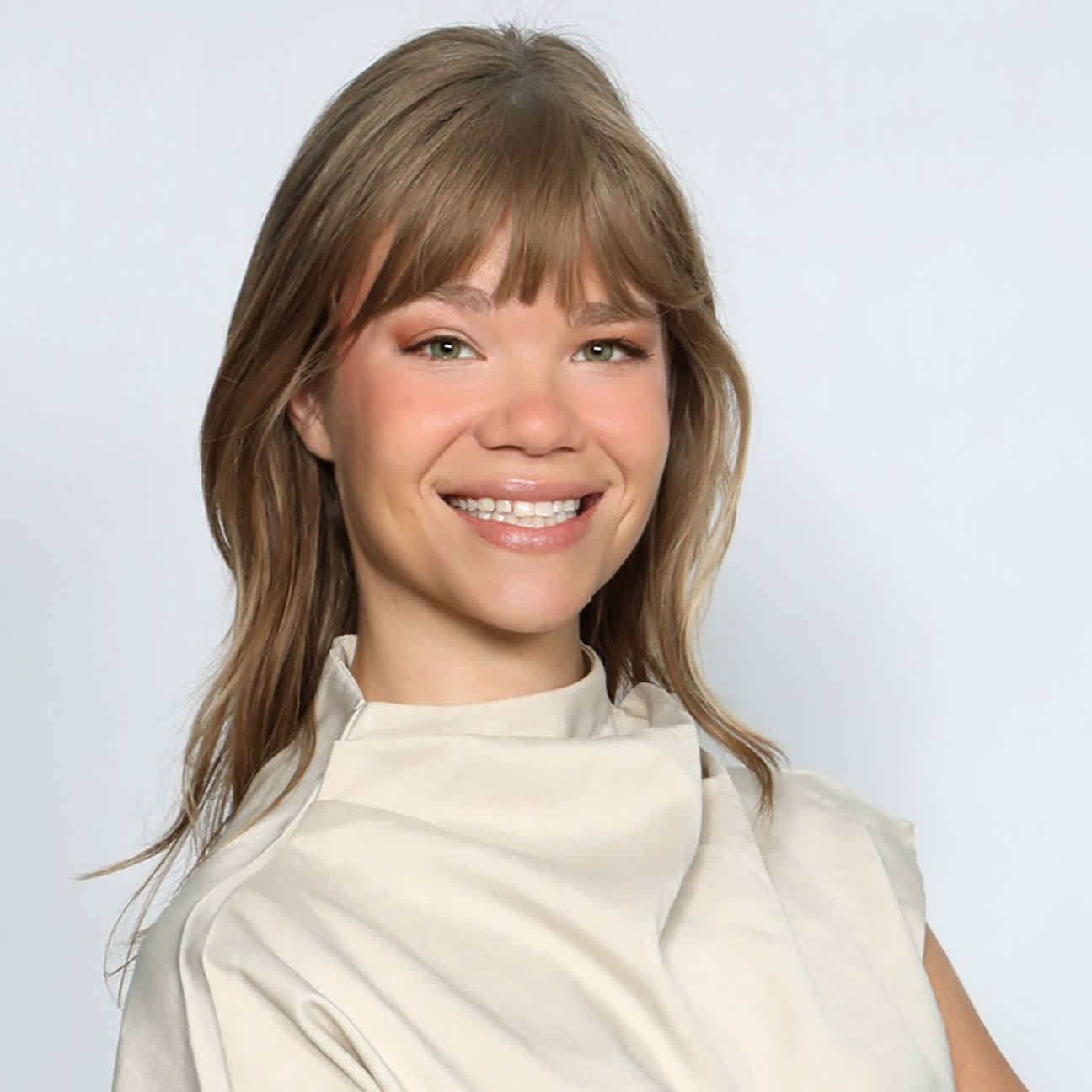
Gabriella Morin
Transcript
Welcome to Inside Family Medicine, the podcast from the American Academy of Family Physicians. I'm Adam Bradley, Manager of Student Choice at the AAFP. Today, we're talking about something that's often the very first connection students make with family medicine, their family medicine interest group, or FMIG.
For many physicians, an FMIG wasn't just another student organization. It was where they found mentors, built lifelong friendships, developed leadership skills, and discovered a specialty they hadn't fully considered before. We're recording this episode from the Future Conference, where the AAFP recognizes outstanding family medicine interest groups through the Program of Excellence Award.
I'm joined by several student leaders whose experiences show just how much of an impact an FMIG can have, not only on choosing family medicine, but on becoming the kind of physician and leader they aspire to be. Welcome, everyone.
Hi. Thank you.
Thank you.
Let's start with introductions. Tell us your name, your medical school, and then your role in your FMIG, and then in just in one word, how would you describe your FMIG experience?
Sharleen, do you want to start?
All right. So my name is Sharleen Cineas. I am a current OMS III at Burell College of Osteopathic Medicine. I say I'm a baby OMS III because literally I start rotations next week. My role, so I started the FMIG at Burell because it was a new school in Florida. Our home campus is in New Mexico.
So I started it. I was the president of it for two years, and I'm also the student director under FAFP. And I would describe FMIG or family medicine as Hopeful. Yeah. I love that.
How about you, Gabriela?
Okay. My name is Gabriela Morin. I am from ECU Brody School of Medicine in Greenville, North Carolina, and I am a third-year medical student. And if I had to describe family medicine in one word, to me it would be community. I love both of those answers. I feel like it's so indicative of the work that FMIGs do.
I'll ask my first official question of the day for you. So every family physician has a story about what drew them to the specialty. I’d love to hear where each of your journeys began.
Gabby, let's start with you.
Okay, great. So, I wouldn't say that there was one single moment, but I would say that there were a series of experiences that brought me to family medicine. Even in childhood, my grandmother would bring me to play piano for her hospice patients, and I saw that connection that she had with them, and I really wanted to be a part of that.
I didn't know what that was yet, but I really wanted that. And then our family actually moved to Honduras in middle school. So my parents still live on the island of Roatán. They fell in love with diving and the people, and they wanted to give back.
Wow.
And they never left.
Wow.
So yeah. So, I ended up having the opportunity to shadow and volunteer with different clinics and actually go on home visits with community doctors. And that was when I realized that family medicine was something that not just with inside the clinic space, but it was actually something that worked all the way through the community and had the impact rippling through on multiple levels.
Then, during my master's in public health, I worked with a farm worker health organization called Vecinos. I was in western North Carolina, and I ended up meeting a physician there named Dr. Phillip, who actually went to Brody, the medical school that I am now currently at. He pitched it really well. And just was glowing about the family medicine program there. And so I wound up at Brody, and my foundations of doctoring professor, Dr. Zimmerman, was actually the lead faculty mentor for FMIG. And she was like, "Do you know about FMIG? Have you heard about it?" And so I was able to meet the president and join, and really FMIG connected me in a way. It took me from like, "I think this is where I want to be," to really knowing that I belong here. Yeah.
Oh, that's beautiful. I think the community aspect of FMIG is is just so important. Finding a community in med school I feel is challenging. You know, you're uprooting your life, sometimes moving across the countryand just being able to find like-minded individuals and especially if you're trying to find a specialty that fits with you.
Yeah, I think FMIGs are just such a great opportunity for that.
Yeah.
Sharleen, what about you? Yeah, so very similar. I think it was a series of different things. But, I would say, I got my undergraduate degree from BU in health science, so we did a lot of public health work and things like that, and that kind of opened me up to understanding that a patient is more than just the disease that you're trying to treat.
Like, there is so much going on in someone's life that affects their health. So, I was kind of trying to figure out how I would fit in and what role I wanted to play in their, in a patient's life, and really reaching for the goals that they have for themselves and for their health.
And then I worked as a caseworker for three years, so it's pretty much, like, in the social work department, and I did that, and that really showed me. I worked with mothers and babies at risk, especially the babies at risk of dying within their first year of life, and it really showed me that you really need to treat the whole person because, okay, you're working on hypertension, you're working on diabetes, but Mom may not be able to drive. She may not have access. She may... Like, there are so many different factors. And then also treating Mom can help you treat Baby as well. And family medicine is the only specialty really where you can treat a whole family, and so I feel like that's where I want to be because that's where I feel like I can make the most impact.
Yeah. I'll follow up with that for you too. How has your FMIG helped solidify family medicine as the specialty for you?
Yeah. My FMIG, it has been great. Because I kind of started it from scratch, I got to do a lot of learning. I learned so much being in this position, like, all of the subspecialties, all of the different fellowships that are available. I learned so much being in that role, and I think it solidified it for me because I got to meet real family medicine doctors. And across the board, everyone is so kind, and everyone has the same goal of we want this patient to be well, and we care about this patient's entire life, the entirety of the patient.
That is what I've experienced across the board, and that's honestly why I went into medicine to begin with. I love that any doctor I met anywhere at anything related to family medicine all had the same goal of we want to treat this patient, and we want to treat them well.
Yeah. You touched on it some, so I'll kind of transition to our next little bit too about how has your FMIG helped prepare you as a leader and your career as a physician?
Oh, yeah. It definitely helped me to be... So I wouldn't say I'm a shy person, but I kind of like, you know, the pre-med track kind of like humbles you in a lot of ways.
Fair.
And so I was kind of humbled a little bit. But then when I came into medical school and being involved in my FMIG, I had to go out there and meet people and email, and, "Hey, where can I get this? Do you want to come and speak out of my school? My students love that," you know? Like, it kind of forces you to break out of your shell. But then the good news is family medicine is so welcoming that it you will never get burned, you know, by trying to be out there, because everyone wants to help you. And if they can't, they will show you who can. So, I think it helped me a lot with leadership, and it was a safe space to explore that, I would say.
Thank you.
Yeah.
Gabby, what about you?
Hmm. That's a good question. I think there are three aspects of leadership. I think FMIG has helped with leadership and mentorship and advocacy. So with leadership, it really taught me to build something that lasts. So what can I create, but then also document and immortalize so that other students can continue to carry on this amazing community that we've built. And then, the other thing is mentorship. So with Dr. Zimmerman, our lead faculty advisor, she's really become a mentor to me, and she's challenged me to grow in a lot of ways that pushed me out of my comfort zone.
And then also, even with NCAFP, Perry and Greg, from our state chapter, they have really mentored me and encouraged me to do things I never thought that I would be able to do at such an early stage in my career. And as far as advocacy, I think, again, with NCAFP, they pushed me to even... I was in DC for the AAFP Advocacy Weekend. just a couple weeks ago, which was crazy. I did not think that anyone would want to listen to me as a medical student. And yet our senators were really open to hearing from each of us. And, you know, I think we were able to advocate for our patients. And as a state that is very rural, we have a lot of patients that are without access and even without, like, access to a hospital in their town.
So it was really important that we could share our voice and speak up for patients in that way. I think a surprise was just that I didn't expect to gain confidence in so many different aspects, not just as, like, my career, but also as, like, the leader that I want to grow to be.
Yeah. No, that's so great.
I think one of my favorite thing of working with medical students too is you know, I always... Every time I work with a medical student, I always think like, "Oh, my goodness," like, "you are the most accomplished person I've ever met in my life." Like, I always say, like, if you were to show your CV to your, like, 14-year-old self, you'd be like, "Who's this rock star?" Yeah.
I think some of the beauty of the work in FMIG is, like, really being able to build those skills. And as you were saying, too, the soft skills. Yeah. It isn't always just like, oh, like I can plan an agenda. I can plan a meeting. It's like I know how to network with other people.
I know how to sway people, advocate, be able to collaborate with others. Those skills are so necessary, especially in medicine, and especially in family medicine. So I think just, like, that aspect of leadership development and family medicine is just yeah, so great.
I am going to go on to a next question here, just talking a little bit more about each of your own FMIGs and each of you here were awarded with a Program of Excellence award through the AAFP FMIG network. Which we're really excited about.
I didn't know that.
And this is you too.
Oh, really?
That's, yeah. Yes. Oh, yeah.
That's amazing.
Congratulations.
Back at you. Yes.
Awesome. Yeah.
We sift through applications from all over the country.
It’s the national leaders that do it. And it's truly inspiring to see what people are doing at their campuses. So I guess the main one for me would be, tell me about an event that you're especially proud of. And then if you want to explore a little bit more about, like, how that resonated with the students.
So our FMIG is super active and we try to do a lot of stuff, so it's hard to pick one, honestly, because they all, they just touch a different aspect that is just so important. I would say maybe our health fairs, I would say was probably the one, because what we did was we invited all of our school organizations to come and table at that health fair and to provide a service.
So for an example, like the EM club did, like, stop the bleed and the dermatology club did, like, the skin checks for skin cancer and things like that. We had the ENT club that did vision. Of course, family medicine, we did blood pressure screenings, glucose screenings, preventative medicine.
We had SAO come in, which is a osteopathic organization, provide OMT. So I would say that one was probably the one I'm the most proud of because it brought our entire school together and every student was able to participate in that. Yeah.
That's impressive. Yeah. Gabby, what about you?
For us, I think it was our procedures workshop. We were able to do a lot of different things. We partnered with our family medicine residency program. We also partnered with our sim lab, so we were using in-house things and we were able to do POCUS and joint injections, IUD insertions, skin biopsies, wound care, all sorts of things. And so we had all of these wonderful facilitators and we had a crazy wait list.
Like, I did not expect that.
Wow.
We initially thought, you know, we might get, you know, 20 to 25 students. We had over 55 students register for the event, and so we had to cap it due to facilitator limits. But it was incredible to see just, I think, really getting students exposure early on to those clinical skills is something that can also kind of pull in a couple students that may not have considered family medicine. But really showing them, like, the breadth and the scope that we have. It's a very procedural specialty, and I think a lot of people tend to think, "Oh, it's just, you know, diabetes or hypertension management," and it's so much more than that.
Yeah. I think, the beauty of what I love with our conversation here today is that you're from ECU, is a very established school and your FMIG has been, you know, rocking and rolling for quite a few years.
And then Sharleen, you're from a brand new school. So resources are obviously different from every campus. The AAFP provides $600 in funding to help set like operational expenses. Do you have any recommendations or advice for like cost-effective ways to get things going at your school?
Sometimes you have to be a little, a little thrifty. Yeah, yeah. Yeah. I would say, definitely get involved with your chapter family medicine, because shout out to AAFP. They’re, you know, they're wonderful. Like they help us with funding as well. I would also say think about things that you don't need to pay for.
So the health fair was actually didn't cost us anything, so we brought all those people together. I think I bought like a case of water and like granola bars. Just be like, "Thank you guys for coming." But really it doesn't cost anything, you know? Everyone just shows up. The clubs come with their own supplies.
Everyone comes with their stethoscope so they can, you know. So you just have to think of like what is really not going to cost you. Inviting a guest speaker doesn't cost you anything. And then also collaborating with other organizations. If they have the funding, maybe you can like split it.
Like, "I'll buy this, and then you buy that." So I would say those are my top three, like split. I think about ideas that don't really require funding, and then get involved with your local chapter as well.
Yeah. Gabby, any thoughts on that?
Yeah, for sure. I definitely agree with everything you said. I think other ways to do things, medical students love food. I still love food. Yeah. Not, I'm not a doctor. So yeah, I mean, it doesn't have to be a full meal. It can be snacks. But really anything that can kind of pull some people in every now and then. We don't have a crazy large budget. We really rely on in-house relationships that we have, partnerships.
Finding faculty that love teaching, you know, that can go a long way. So whether it's having a potluck or having, you know, an outdoor picnic where everyone kind of brings their own thing and you all get to network with residents, like, I think those exposure points are really easy to facilitate and just share that community space.
Yeah. I think when I work with students, especially if they're, you know, starting a new FMIG or maybe don't have as many resources, I think that maybe gets in their way of thinking what an event can be.
Yes.
You know, just having a family doctor come and speak, yes, that's an event. That's an event. Yeah. Community service ... community service.
Yes.
Yeah. People will come.
Yes.
Yeah. And if you do have an added incentive of food ... sometimes we get a little lost in the sauce because we want to do something cool and innovative. Yeah ... which is great.
Yeah. Yeah. Yes like, love that.
But, you know, sometimes it doesn't have to be, you know, all of that. Yeah. Like, it's, sometimes it's nice to just sit down with a family doctor and just, like, "What'd you do today?"
Yeah. Yes. "What did you do this week?"
Yeah. Yes.
"What was the most challenging part of your week?" Yeah.
"What was the most fulfilling part of your week?" Yes.
Yeah. It's just simple questions about the career. Yeah.
That’s an event. That's a great event, and I think it really shows, like, what all you can do. Yeah.
That’s such a good point.
I agree. Yeah.
Yeah. I think I'll kind of get us towards the end of some of what we're doing today.
Maybe two more questions, So just thinking about, if you were to give someone advice if they were to start an FMIG, or rebuild an existing FMIG like you did at ECU Brody, what would be some of the advice that you would give them?
I think the biggest thing that we were able to do, if you are looking to build an existing program, like, I think when I came into the program, we had maybe, like, I was in a room with maybe six other people.
We had two co-presidents, which was great, but my co-president and I were able to actually build out a board. And then by word of mouth, they're inviting their friends, right? And we had a dedicated membership coordinator. Having the membership coordinator really changed the game because not only we did we have them, we had a community partners person. And so really utilizing your community partnerships and working with local organizations, and then just getting the word out. Having your flyers visible in the lounge. Those are things that really go a long way. And if you are starting one, I think really just trying to find that faculty member that's willing to teach, and being family medicine, I'm pretty sure it's all of them.
Yeah, that's great. Sharleen, what about you?
I would say very similar. Like, making sure...like, my E-board was absolutely amazing, and everyone played such a pivotal role in making sure everything was done. Our secretary was great. Our community outreach set up a lot of our volunteer opportunities.
Our event coordinator, of course, my VP, Laura, absolutely amazing. So I would say building a strong E-board is foundational, because you can't carry it all on your own as the president. I would also say to be bold and to know that it's a safe space to be bold. It’s okay to ask for help. It's okay to seek out people for help.
And talk to your classmates, you know? Because you can post it and say, "Hey, we have an event," but if you see someone in the hallway and you're talking to them, you're like, "Hey, I know you're into ortho, but guess what? We have sports medicine, too. I think you should come to our talk," they will actually come to the talk.
And then now they're actually considering family medicine. So that has happened a lot. Like, when you get to know your classmates and their interests, you can kind of say, "Hey, I know you want to start your business. I have someone that owns their own business that's going to come and give a talk. I know you want to be in hospital administration.
Someone's going to come and give a talk on that. You should come." So I would say be bold with your classmates and also faculty, staff, because it can go a long way.
Yeah. Speaking of being bold, what advice would you have for someone who's thinking about maybe becoming an FMIG leader at their school or potentially applying for one of the national positions? Any advice for a future leader?
Do it. Yeah. Literally. That's my advice. Yes. Like, literally just do it. It's going to be... Like, I have grown. It's goes back to that first question that you asked, like, how does it shape you or, you know, as a physician. And for me, like, I have learned so much about what I love about family medicine through this position.
I love lifestyle medicine. I love preventative. There are so many things that I didn't even know you could do as a family medicine doctor that I learned through being in this position. So keep an open mind. If you think you want to do it, just do it, and it will work out.
Yeah. I love that. Gab, you have anything to add to that? It was pretty good.
Such wise words. Yeah. Such wise words. I mean, I think, you know, everyone is nervous. Just allowing the imposter syndrome to be there, just sitting with that and knowing that everyone is feeling that. And when you use your voice to advocate for others, that creates a ripple effect. So if you're nervous for doing it for yourself, do it for your community members and your future patients.
Yeah. That's true. I love that. Yeah. I love that so much. So I'll just close this out with one final question, if that's okay. Looking back now, how has your FMIG involvement impacted your overall medical school experience?
You’re both in your third year, correct?
Yes.
Okay. Just started.
Yeah.
Yeah. Just starting.
So, so far, how has that impacted going into clinical rotations and just your journey in med school?
Yeah, do you want to go first?
You go first.
Okay. I mean, I'm really excited to go to my family medicine rotation, so I will say that I think now that I'm looking at everything through a lens of I need to know everything, I'm excited to go through each rotation because I know I'm going to learn something everywhere that I go.
So even with surgery, I know that family medicine docs, they do suturing and closing of wound, all those things. I know I'm going to learn something there. Pediatrics, I'm going to learn something there. I just know I'm going to learn a lot. So it's intimidating, but I'm excited, so I feel like that's how it's, you know, shaped me.
And it's made me more bold than I was, because like I said, I was a little shyer coming in and I feel like I flourished because of family medicine. I feel like I'm at home.
I love that. Yeah. Gabby, what about you?
Yeah. I think... Ugh, that's hard. FMIG has changed so much for me. It's hard to encapsulate it, but I think, as far as the medical experience, I think it is really helpful to know that you're not alone, and everybody goes through this process.
And when you connect with your FMIG, you're not just getting connected to a faculty who's in a career that you want to do. Like, they want to mentor you. Like, lean into that and don't feel like you're a burden. It is a very warm specialty. I mean, we're relationship based, and when you are able to be a part of that, be a part of your state chapter, go to their annual meetings, meet physicians, learn about all the different niche specializations you can do in family medicine that I feel like we don't talk about enough.
There are so many options, and I think really the world is your oyster. And if you can make it to FUTURE.
Yes, definitely make it to Future. Yes, yes, yes.
Come on down. We'd love to have you in Kansas City.
OMG, yes. An absolute must. Yeah.
Yeah. I'll say, you know, we offer scholarships specifically for FMIG leaders through the AAFP Foundation.
Yes. So for those listening, thinking for next year, definitely look into scholarship opportunities.
Yes. Scholarships with your state chapter. Try to present something at the conference.
Yes. See if your school will help fund you.
Yes, there are multiple ways.
Yeah, there are ways. There are multiple roads to Kansas City.
Yes, yes. And even if you're not a fourth year, you can learn so much.
Oh, yes. Like, why not learn the ropes your second or third year and then come back.
Yeah, knowing exactly who you want to talk to your fourth year, learning about all the different types of residencies and networking with people that are in the same shoes that you're in every single day.
Absolutely. I'd say it’s, absolutely agree ... career exploration conference. You know?
Yes. No matter where you're at on your journey. I agree. If family medicine's the specialty for you, like, yay, we love you. Yeah. If you're considering family medicine, Yeah ... we also love you too. We also love you.
Yeah. Like, come on down. Come on. Yes. Come on in to Kansas City.
Yeah, Future is just it's so invigorating for attendees, for us. I agree. And so if you're involved in your FMIG, like, definitely find a way.
Yes, I agree to get involved, at any point in time. Like, I love that you also call out before your fourth year.
Yeah. Definitely get your sea legs. We’re sitting in the Expo Hall here, and there are hundreds of booths around us. So many. So it's, yeah.
Oh, yeah. Oh, yeah. I wish you could see at home, but it's really cool to see.
Yeah. Yeah.
I just want to thank you both so much for the work that you do back on your campuses, in your communities, as well as just taking the time to share your stories with me, with the broader AAFP audience.
I'm just really so appreciative. One of the thing that really stood out to me today is just that FMIGs are so much more than just introducing someone to a specialty. They’re places where future family physicians find mentors, find community, gain confidence. become a leader, develop some other leadership skills, and develop a community, that often shapes the rest of your careers.
So if you're a medical student who's curious about family medicine, or if you're just looking for a way to get more involved in with your school, we encourage you to check out the FMIG resources available through the AAFP. Whether you're joining an established FMIG at your school or just starting one from the ground up, your involvement can make a lasting difference.
So thank you both so much.
No problem. Thank you.
My pleasure. Thank you.
And thank you for listening to Inside Family Medicine. We'll see you next time.
Resources
Disclaimer
Copyright 2026. AAFP. The views presented in this broadcast are the speakers own and do not represent those of AAFP. The information presented is for general, educational or entertainment purposes and should not be considered legal, health, financial or other advice. AAFP makes no representation as to the accuracy or completeness of the information and is not responsible for results that may arise from its use. Consult an appropriate professional concerning your specific situation and respective governing bodies for applicable laws. Reference to any specific product or entity does not constitute an endorsement or recommendation by AAFP unless specifically stated otherwise. AAFP and the AAFP logo are registered trademarks of American Academy of Family Physicians.