Management of Type 2 Diabetes Mellitus With Noninsulin Pharmacotherapy

Elizabeth M. Vaughan, DO, MPH
Zuleica M. Santiago-Delgado, MD

American Family Physician. 2024;109(4):333-342.

Type 2 diabetes mellitus is a chronic disease that is increasing in global prevalence. An individualized approach to pharmacotherapy should consider costs, benefits beyond glucose control, and adverse events. Metformin is the first-line therapy due to its low cost and effectiveness. Sulfonylureas and thiazolidinediones are additional low-cost oral hypoglycemic classes available in the United States; however, evidence shows variability in weight gain and hypoglycemia. Thiazolidinediones increase fluid retention and are not recommended in patients with New York Heart Association class III or IV heart failure. Newer medications, including glucagon-like peptide-1 receptor agonists and sodium-glucose cotransporter-2 inhibitors, have demonstrated weight loss, reduced cardiovascular events, decreased renal disease, and improved all-cause morbidity and mortality. Sodium-glucose cotransporter-2 inhibitors are recommended for people with known cardiovascular disease, heart failure, and chronic kidney disease but carry an increased risk of urinary tract and mycotic infections. Glucagon-like peptide-1 receptor agonists are contraindicated in patients with active multiple endocrine neoplasia type 2 or a personal or family history of medullary thyroid carcinoma; adverse effects include gastrointestinal upset and pancreatitis. Dipeptidyl-peptidase-4 inhibitors have a low risk of hypoglycemia but may increase the risk of pancreatitis and require a renal dose adjustment. Public and private programs to increase access to newer hypoglycemic medications are increasing; however, there are limitations to access, particularly for uninsured and underinsured people.

More than 38 million people in the United States have diabetes mellitus; 90% to 95% have type 2.1 In 2022, medical and economic costs of $412.9 billion in the United States were attributed to diabetes.2 In the next 10 years, estimates predict a near doubling of the number of affected people in the United States, with a greater prevalence among low-income populations.3,4 People with annual incomes below the poverty level have the highest prevalence of a diabetes diagnosis and complication rates.1 Food insecurity, food deserts, and lack of access to safe exercise spaces in lower socioeconomic areas complicate efforts to prevent and control type 2 diabetes.5,6 Racial and ethnic disparities also exist. A total of 14.5% of American Indians and Alaska Natives, 12.1% of non-Hispanic Blacks, 11.7% of Hispanics, 9.1% of non-Hispanic Asians, and 6.9% of non-Hispanic Whites are diagnosed with diabetes; however, millions more people are undiagnosed.79

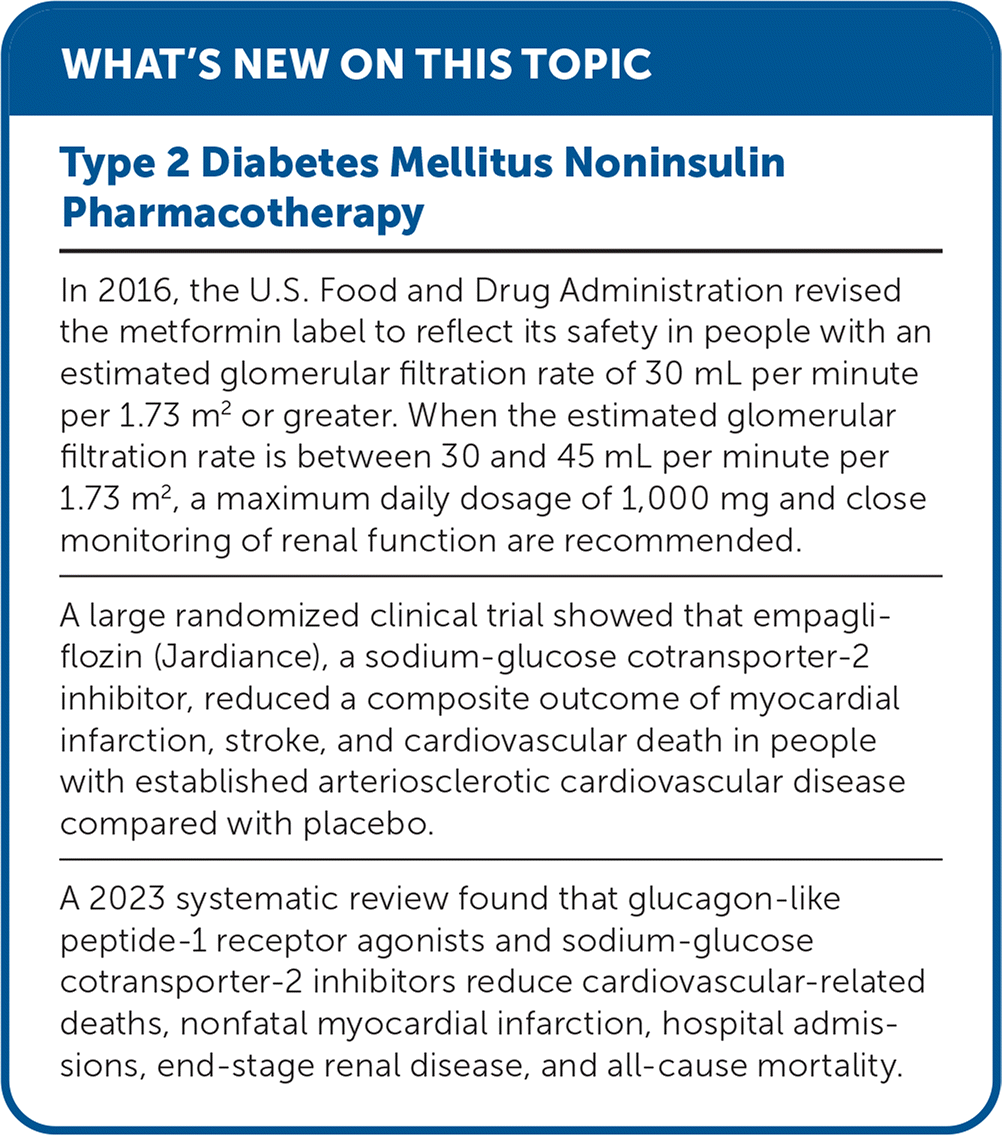
WHAT'S NEW ON THIS TOPIC

Type 2 Diabetes Mellitus Noninsulin Pharmacotherapy
In 2016, the U.S. Food and Drug Administration revised the metformin label to reflect its safety in people with an estimated glomerular filtration rate of 30 mL per minute per 1.73 m2 or greater. When the estimated glomerular filtration rate is between 30 and 45 mL per minute per 1.73 m2, a maximum daily dosage of 1,000 mg and close monitoring of renal function are recommended.
A large randomized clinical trial showed that empagli flozin (Jardiance), a sodium-glucose cotransporter-2 inhibitor, reduced a composite outcome of myocardial infarction, stroke, and cardiovascular death in people with established arteriosclerotic cardiovascular disease compared with placebo.
A 2023 systematic review found that glucagon-like peptide-1 receptor agonists and sodium-glucose cotransporter-2 inhibitors reduce cardiovascular-related deaths, nonfatal myocardial infarction, hospital admissions, end-stage renal disease, and all-cause mortality.

SORT: KEY RECOMMENDATIONS FOR PRACTICE

A = consistent, good-quality patient-oriented evidence; B = inconsistent or limited-quality patient-oriented evidence; C = consensus, disease-oriented evidence, usual practice, expert opinion, or case series. For information about the SORT evidence rating system, go to https://www.aafp.org/afpsort.

Social determinants of health (i.e., the conditions in which individuals are born, work, and live) are strongly associated with diabetes outcomes.7,10 Education, income, occupation, and environment affect the ability to prevent and control diabetes.7 To improve health equity, federal programs, including the Affordable Care Act and Medicaid, have expanded access to care for more people with diabetes. Patient assistance programs have also increased access to newer, more expensive medications.7,11

Prevention and Nonpharmacologic Management

The goal of diabetes care is to optimize quality of life by preventing macrovascular and microvascular complications, including cardiovascular, renal, neurologic, ophthalmic, and gastrointestinal disorders.12

Risk factors for developing diabetes include elevated visceral adiposity, polycystic ovary syndrome, fasting plasma glucose level of 100 mg per dL (5.55 mmol per L) or greater, A1C of 5.7% or greater, a family history of type 2 diabetes, poor dietary habits, and a history of gestational diabetes.13 Dietary modifications alone do not sustain A1C improvement. A meta-analysis of randomized controlled trials demonstrated that a low-carbohydrate diet was associated with significant A1C reduction at 3 months but not at 6 or 12 months and a body mass index reduction at 6 months but not at 12 months.14 Multifaceted programs such as the Diabetes Prevention Program have provided strong evidence for lifestyle modifications to prevent diabetes and control glucose levels for people with type 2 diabetes. Modifications include 150 minutes or more of moderate-intensity exercise or 75 minutes or more of vigorous-intensity exercise per week, weight loss of 7% or greater, and a reduction in dietary fat and caloric intake.15

Patient-Centered Glycemic Control

An A1C is the average blood glucose level over 3 months measured by the percentage of glycosylated red blood cells. Anemia, end-stage renal disease, alcoholism, and certain hemoglobinopathies can affect the accuracy of an A1C.16 The American Diabetes Association recommends a target A1C of less than 7% for healthy adults younger than 65 years and less than 7.5% for healthy adults 65 years and older with intact cognition and functional status.17 Less stringent A1C goals below 8% may be more appropriate for some patients. Several clinical trials found that severe hypoglycemia is a marker for a high absolute risk of cardiovascular events and mortality.1720 Individualized therapy is based on factors including the risk of hypoglycemia, drug-drug interactions, adverse effects, disease duration, life expectancy, comorbidities, established vascular complications, patient preference and resources, and the patient's support system.1719,21,22 In some patients, continuous glucose monitoring may improve glycemic control and reduce hypoglycemia by providing real-time data on blood glucose levels.20

Pharmacologic Management

Eight classes of hypoglycemic medications (Table 123,24 and Table 221,2529 ) are discussed in this review. Figure 1 provides an approach to prescribing type 2 diabetes medications based on patient risk factors.12,23,26,28,30 Unless contraindicated, metformin is the first-line therapy.23 Accessibility is the next consideration. For example, if a patient has an indication for a newer medication (e.g., sodium-glucose cotransporter-2 [SGLT-2] inhibitors: microalbuminuria, chronic kidney disease, coronary artery disease; glucagon-like peptide-1 [GLP-1] receptor agonists: coronary artery disease), it is critical to ensure that the patient can obtain the medication through insurance or be assisted in applying for a program to cover the cost.17,31,32 Otherwise, lower-cost medications should be considered. Treatment regimens should support weight management goals.23 If noninsulin therapy is maximized or exhausted and glycemic control is not achieved, insulin should be considered.3

TABLE 2. Characteristics of Hypoglycemic Medications by Drug Class

Drug class/medicationAdverse effects and reactionsComments
Alpha-glucosidase inhibitors (0.7% to 1%)*
AcarboseGastrointestinal intolerance: flatulence, diarrhea, abdominal bloatingHigh-fiber, starchy diet reduces adverse effects; avoid use if creatinine clearance < 25 mL per minute per 1.73 m2; contraindicated in patients with a history of inflammatory bowel disease and bowel obstruction
Acarbose: contraindicated in patients with liver cirrhosis
Miglitol
Biguanides (1.5% to 2%)*
MetforminGastrointestinal intolerance, vitamin B12 deficiency, lactic acidosis (rare)Take with food; increase weekly by 500 mg to avoid gastrointestinal upset; avoid if eGFR < 30 mL per minute per 1.73 m2
Dipeptidyl-peptidase-4 inhibitors (0.5% to 0.9%)*
Alogliptin (Nesina)Headache, risk of pancreatitis, increased risk of bullous pemphigoidRenal dose adjustment required; associated with liver toxicity; increased risk of heart failure exacerbation
Linagliptin (Tradjenta)Headache, risk of pancreatitis, increased risk of bullous pemphigoidRenal dose adjustment not required
Saxagliptin (Onglyza)Headache, risk of pancreatitis, increased risk of bullous pemphigoidRenal dose adjustment required; increased risk of heart failure exacerbation
Sitagliptin (Januvia)Gastrointestinal intolerance, headache, risk of pancreatitisRenal dose adjustment required
Glucagon-like peptide-1 receptor agonists (0.8% to 2%)*
Dulaglutide (Trulicity)Gastrointestinal intolerance, risk of pancreatitis, promotes weight lossContraindicated in patients with active multiple endocrine neoplasia type 2 or a personal or family history of medullary thyroid carcinoma
Exenatide (Byetta; Bydureon)Gastrointestinal intolerance, risk of pancreatitis, promotes weight lossContraindicated in patients with active multiple endocrine neoplasia type 2 or a personal or family history of medullary thyroid carcinoma; avoid extended release if eGFR < 45 mL per minute per 1.73 m2; avoid immediate release if creatinine clearance < 30 mL per minute per 1.73 m2
Liraglutide (Saxenda; Victoza)
Semaglutide (Rybelsus; Wegovy; Ozempic)
Tirzepatide (Mounjaro; Zepbound)
Gastrointestinal intolerance, risk of pancreatitis, promotes weight lossContraindicated in patients with active multiple endocrine neoplasia type 2 or a personal or family history of medullary thyroid carcinoma
Meglitinides (0.5% to 2%)*
Nateglinide
Repaglinide
HypoglycemiaTake before meals only, skip medication if fasting; metabolized primarily by the liver CYP3A4 and CYP2C9, excreted by the kidneys; can take with chronic kidney disease but avoid if eGFR < 15 mL per minute per 1.73 m2
Sodium-glucose cotransporter-2 inhibitors (0.5% to 0.9%)*
Canagliflozin (Invokana)
Dapagliflozin (Farxiga)
Empagliflozin (Jardiance)
Urinary tract and genital mycotic infections, increases low-density lipoprotein cholesterol, hypotensionCaution with history of diabetic ketoacidosis, low bone density, foot ulceration; avoid with eGFR < 30 mL per minute per 1.73 m2
Ertugliflozin (Steglatro)Urinary tract and genital mycotic infections, increases low-density lipoprotein cholesterol, hypotensionCaution with history of diabetic ketoacidosis, low bone density, and foot ulceration; avoid with eGFR < 45 mL per minute per 1.73 m2
Sulfonylureas (0.8% to 2%)*
GlimepirideHypoglycemia, dizziness, nausea; least hypoglycemic of its class; weight gainTake with food, preferably breakfast; decreased eGFR leads to greater risk of hypoglycemia; avoid with eGFR < 15 mL per minute per 1.73 m2
GlipizideHypoglycemia (particularly in long-acting formulation; avoid with other potent hypoglycemics such as insulin), dizziness, nausea, weight gainTake 30 minutes before breakfast; a single dose cannot exceed 10 mg; if higher doses are required, multiple-day dosing is needed
GlyburideHypoglycemia (particularly in long-acting formulation; avoid with other potent hypoglycemics such as insulin), dizziness, nausea, weight gainTake with food, preferably breakfast; longer-acting sulfonylurea; avoid in older adults due to hypoglycemia
Thiazolidinediones (0.5% to 1.5%)*
PioglitazoneWeight gain, edema, risk of bone fractures, benefit with nonalcoholic steatohepatitis, decreases triglycerides, increases high-density lipoproteinUse caution with heart failure and hepatic dysfunction; metabolized by P450 enzymes in the liver, precautions in people taking other P450 inducers or inhibitors; bladder cancer association

CYP = cytochrome P450; eGFR = estimated glomerular filtration rate.

*—Mean A1C reduction with drugs in this class.

†—All medications in this drug class promote weight loss; however, only liraglutide (Saxenda), semaglutide (Wegovy), and tirzepatide (Zepbound) are currently approved by the U.S. Food and Drug Administration for weight-loss therapy.

Information from references 21 and 2529.

FIGURE 1.

Approach to type 2 diabetes mellitus treatment stratified by risk factors.

Information from references 12, 23, 26, 28, and 30.

ALPHA-GLUCOSIDASE INHIBITORS

The primary mechanism of action of alpha-glucosidase inhibitors is to inhibit the alpha-glucosidase enzyme, which is found in the small intestine cells brush border that catalyzes complex carbohydrates. This action reduces postprandial hyperglycemia, although patients must have concurrent food intake to receive its effects. Therapy should be initiated at the lowest effective dose and titrated slowly every two to four weeks.29 Alpha-glucosidase inhibitors are excreted renally and contraindicated in people with a serum creatinine of 2.0 mg per dL (176.8 μmol per L) or greater.29 The alpha-glucosidase inhibitor, acarbose, increases serum transaminase levels and should not be used in patients with liver cirrhosis.24

BIGUANIDES

Metformin is the preferred first-line oral blood glucose–lowering medication to manage type 2 diabetes.33 Metformin decreases hepatic glucose production and intestinal absorption of glucose to improve insulin sensitivity and is effective, safe, and inexpensive; data suggest that it decreases the risk of cardiovascular events and death.3335 The principal adverse effect of metformin is gastrointestinal intolerance, including bloating, nausea, abdominal discomfort, and diarrhea, which can be reduced by slow titration and concurrent food intake. Patients with risk factors for lactic acidosis, including concurrent use of carbonic anhydrase inhibitors and those 65 years or older with recent use of iodinated contrast, undergoing surgery, or in a hypoxic state, should be monitored during treatment.33,36 Metformin is cleared by renal filtration; caution must be taken in the setting of chronic kidney disease. In 2016, the U.S. Food and Drug Administration (FDA) revised the metformin label to reflect its safety in people with an estimated glomerular filtration rate (eGFR) of 30 mL per minute per 1.73 m2 or greater. When the eGFR is between 30 and 45 mL per minute per 1.73 m2, a maximum daily dosage of 1,000 mg and close monitoring of renal function are recommended.3335 Metformin is contraindicated in patients with an eGFR of less than 30 mL per minute per 1.73 m2 and acute or chronic metabolic acidosis. Metformin is also contraindicated for patients with hepatic impairment and unstable heart failure.3335

DIPEPTIDYL-PEPTIDASE-4 INHIBITORS

Dipeptidyl-peptidase-4 (DPP-4) inhibitors block DPP-4, an enzyme that degrades incretin peptides GLP-1 and -2. DPP-4 inhibitors activate glucose-dependent insulinotropic polypeptides to stimulate beta cells to secrete insulin.37 They are weight-neutral and have a low risk of hypoglycemia. DPP-4 inhibitors are often combined with other hypoglycemics (e.g., metformin, thiazolidinediones), but use with GLP-1 receptor agonists does not provide additive glucose-lowering effects.24,38,39 An association between DPP-4 inhibitor use and bullous pemphigoid and other dermatoses has been observed; they have also been associated with pancreatitis in clinical trials, although causality has not been established.30,40 Unlike SGLT-2 inhibitors and GLP-1 receptor agonists, DPP-4 inhibitors have not demonstrated improved cardiovascu lar outcomes. Sitagliptin (Januvia), saxagliptin (Onglyza), and alogliptin (Nesina) did not show significant differences in cardiovascular events between treatment and placebo groups.27,41,42 In April 2016, the FDA issued a boxed warning that saxagliptin and alogliptin may increase the risk of heart failure, particularly in people with preexisting heart failure or renal impairment.28

GLP-1 RECEPTOR AGONISTS

GLP-1 receptor agonists are medications approved to treat diabetes and obesity. Glucagon-like peptides and glucose-dependent insulinotropic poly peptides stimulate insulin secre -tion after glucose ingestion via the incretin effect, a natural process that may be decreased or absent in patients with type 2 diabetes.25,43 GLP-1 receptor agonists are subcutaneous injectable formulations, except for semaglutide, which is also available in an oral form (Rybelsus), and orforglipron and danuglipron, which are currently being reviewed for oral formulations.25,4447 Increasing data support the effectiveness of GLP-1 receptor agonists and SGLT-2 inhibitors. A 2018 systematic review (816 trials; n = 471,038) found that GLP-1 receptor agonists and SGLT-2 inhibitors reduced cardiovascular-related deaths, nonfatal myocardial infarction, hospital admissions, end-stage renal disease, and all-cause mortality.26 Another study showed that GLP-1 receptor agonists decreased nonfatal stroke rates, whereas SGLT-2 inhibitors demonstrated greater effectiveness in decreasing end-stage renal disease.26,48 GLP-1 receptor agonists also promote weight loss (mean loss = 6.4 lb [2.9 kg]).26,46 Adverse effects and potential adverse events include gastrointestinal upset, pancreatitis, and cholelithiasis/cholecystitis.46,49 Liraglutide (Saxenda), semaglutide, and dulaglutide (Trulicity) are also associated with an increased risk of diabetic retinopathy.50

MEGLITINIDES

Meglitinides directly stimulate the pancreatic beta cells via sulfonylurea receptor-1, sulfonylurea receptor-1A, and sulfonylurea receptor-1B, causing insulin release.51 Meglitinides have a short half-life and a rapid onset of action. This may be beneficial for patients who eat once per day because it can be taken once with the largest meal to reduce postprandial hyperglycemia. Repaglinide and nateglinide are the medications in this class in the United States. The most common adverse effects are weight gain and hypoglycemia.24

SGLT-2 INHIBITORS

SGLT-2 inhibitors decrease blood glucose by increasing urinary excretion of glucose. They are expressed in the nephron's proximal tubule, mediating 90% of the filtered glucose reabsorption. By blocking glucose reabsorption, SGLT-2 inhibitors increase urinary excretion and decrease plasma glucose levels.24,52 Dosing adjustments are required in renal insufficiency, and the glucose-lowering effect of SGLT-2 inhibitors decreases as the eGFR declines.35,53 A large randomized clinical trial (n = 7,020) showed that empagliflozin (Jardiance) reduced a composite outcome of myocardial infarction, stroke, and cardiovascular death in people with established arteriosclerotic cardiovascular disease compared with placebo.43,54 Because of these benefits, SGLT-2 inhibitors are indicated in chronic kidney disease and heart failure management and in patients with diabetes who have microalbuminuria, chronic kidney disease, or chronic heart failure.45 SGLT-2 inhibitors also promote weight loss (mean = 1.5 to 7.7 lb [0.68 to 3.49 kg]), reduce potassium in hyperkalemia, and increase magnesium in hypomagnesemia.55 The FDA issued a boxed warning that SGLT-2 inhibitors may lead to euglycemic ketoacidosis and are not recommended for people with a history of diabetic ketoacidosis; patients should be educated on the ketoacidosis risk.23,53,54,56

SULFONYLUREAS

Sulfonylureas are insulin-secretagogues that directly stimulate insulin release from pancreatic beta cells, requiring these cells to function.30 Sulfonylureas also minimally improve insulin resistance in tissues.30 Sulfonylureas do not decrease all-cause mortality, but they are low cost and may offer one of the few options for patients to achieve glycemic control. Glimepiride, glyburide, and glipizide are the most prescribed sulfonylureas in the United States. Hypoglycemia is the most common adverse effect and may be worse in older adults, patients with renal dysfunction, and those concurrently using insulin.30 There are significant variations with different sulfonylureas for weight gain and hypoglycemia. Some studies suggest little to no weight gain with glimepiride and that glyburide causes a greater risk of hypoglycemia due to a longer half-life.24,55 Most adverse effects, including cardiovascular events, occur at doses beyond clinical effectiveness.55 If there is a need for glycemic control at one-half of the maximum dosage, an alternative agent should be considered.55

THIAZOLIDINEDIONES

Thiazolidinediones improve glycemic control by enhancing insulin sensitivity in muscle and adipose tissue and inhibiting hepatic glucose production.24 Thiazolidinediones substantially decrease insulin resistance, particularly when combined with other agents.24 The most common adverse effects are weight gain and fluid retention. Physicians should avoid or minimally dose thiazolidinediones for people with New York Heart Association class III or IV heart failure. Thiazolidinediones have an FDA boxed warning for increased risk of bone fractures, primarily affecting distal upper and lower limbs, and should be avoided in patients with osteopenia or osteoporosis.24 There are conflicting data about the association of bladder cancer with thiazolidinedione use.57,58 Pioglitazone is an effective treatment for patients with coexisting nonalcoholic steatohepatitis.59

Patient Assistance Programs

Most patients with type 2 diabetes are resource-limited.1,60 Patient assistance programs sponsored by pharmaceutical manufacturers, public funding, and nonprofit organizations provide financial assistance to increase medication access.61 Successful enrollment is associated with improved glycemic control.62 Educating clinicians on medication cost barriers (including barriers for patients with insurance) is critical to increasing access to newer medications.63 Increasingly robust programs, such as the Michigan Collaborative for Type 2 Diabetes, continue to reduce medication barriers by incorporating quality initiatives to promote patient and clinician awareness.11,63,64

This article updates previous articles on this topic by George, et al.24; Luna and Feinglos65; and Riddle.66

Data Sources: A PubMed search was conducted in Clinical Queries, the Cochrane database, and Essential Evidence Plus. Studies included meta-analyses, randomized controlled trials, clinical trials, and reviews from the past 10 years. Key terms searched were type 2 diabetes mellitus, oral pharmacotherapy, noninsulin therapy, and medical management. The authors ensured that each investigation containing an individual characteristic classification variable in the analyses had the variables of measurement, a justified research question for the inclusion, and clear definitions of study variables. Search dates: April 15 to 20, 2023, and February 9, 2024.

ELIZABETH M. VAUGHAN, DO, MPH, is an associate professor in the Department of Internal Medicine at the University of Texas Medical Branch, Galveston.

ZULEICA M. SANTIAGO-DELGADO, MD, is an assistant professor in the Department of Family Medicine at the University of Texas Medical Branch.

Address correspondence to Elizabeth M. Vaughan, DO, MPH, 301 University Blvd., Galveston, TX 77555 (emvaugha@utmb.edu). Reprints are not available from the authors.

Author disclosure: No relevant financial relationships.

  1. 1.Centers for Disease Control and Prevention. National diabetes statistics report. Estimates of diabetes and its burden in the United States. November 29, 2023. Accessed February 9, 2024. https://www.cdc.gov/diabetes/data/statistics-report/index.html
  2. 2.Parker ED, Lin J, Mahoney T, et al. Economic costs of diabetes in the U.S. in 2022. Diabetes Care. 2024;47(1):26-43.
  3. 3.Rowley WR, Bezold C, Arikan Y, et al. Diabetes 2030: insights from yesterday, today, and future trends. Popul Health Manag. 2017;20(1):6-12.
  4. 4.American Diabetes Association. Economic costs of diabetes in the U.S. in 2017. Diabetes Care. 2018;41(5):917-928.
  5. 5.Berkowitz SA, Karter AJ, Corbie-Smith G, et al. Food insecurity, food “deserts,” and glycemic control in patients with diabetes: a longitudinal analysis. Diabetes Care. 2018;41(6):1188-1195.
  6. 6.Flint KL, Davis GM, Umpierrez GE. Emerging trends and the clinical impact of food insecurity in patients with diabetes. J Diabetes. 2020;12(3):187-196.
  7. 7.Hill-Briggs F, Adler NE, Berkowitz SA, et al. Social determinants of health and diabetes: a scientific review. Diabetes Care. 2020;44(1):258-279.
  8. 8.QuickStats: percentage of adults aged ≥ 18 years with diagnosed diabetes, by disability status and age group - National Health Interview Survey, United States, 2020. MMWR Morb Mortal Wkly Rep. 2022;71(4):157.
  9. 9.Centers for Disease Control and Prevention. By the numbers: diabetes in America. October 25, 2022. Accessed February 9, 2024. https://www.cdc.gov/diabetes/health-equity/diabetes-by-the-numbers.html
  10. 10.Centers for Medicare and Medicaid Services. Office of Minority Health. The CMS equity plan for improving quality in Medicare. September 2015. Accessed May 31, 2023. https://www.cms.gov/about-cms/agency-information/omh/omh_dwnld-cms_equityplanformedicare_090615.pdf
  11. 11.Seo V, Baggett TP, Thorndike AN, et al. Access to care among Medicaid and uninsured patients in community health centers after the Affordable Care Act. BMC Health Serv Res. 2019;19(1):291.
  12. 12.Davies MJ, Aroda VR, Collins BS, et al. Management of hyperglycemia in type 2 diabetes, 2022. A consensus report by the American Diabetes Association and the European Association for the Study of Diabetes. Diabetes Care. 2022;45(11):2753-2786.
  13. 13.Zhou X, Siegel KR, Ng BP, et al. Cost-effectiveness of diabetes prevention interventions targeting high-risk individuals and whole populations: a systematic review. Diabetes Care. 2020;43(7):1593-1616.
  14. 14.Silverii GA, Botarelli L, Dicembrini I, et al. Low-carbohydrate diets and type 2 diabetes treatment: a meta-analysis of randomized controlled trials. Acta Diabetol. 2020;57(11):1375-1382.
  15. 15.American Diabetes Association Professional Practice Committee. 3. Prevention or delay of type 2 diabetes and associated comorbidities: standards of care in diabetes-2024. Diabetes Care. 2024;47(suppl 1):S43-S51.
  16. 16.Bae JC, Suh S, Jin SM, et al. Hemoglobin A1C values are affected by hemoglobin level and gender in non-anemic Koreans. J Diabetes Investig. 2014;5(1):60-65.
  17. 17.American Diabetes Association Professional Practice Committee. 6. Glycemic goals and hypoglycemia: standards of care in diabetes–2024. Diabetes Care. 2024;47(suppl 1):S111-S125.
  18. 18.Vijan S, Sussman JB, Yudkin JS, et al. Effect of patients’ risks and preferences on health gains with plasma glucose level lowering in type 2 diabetes mellitus. JAMA Intern Med. 2014;174(8):1227-1234.
  19. 19.Lee AK, Warren B, Lee CJ, et al. The association of severe hypoglycemia with incident cardiovascular events and mortality in adults with type 2 diabetes. Diabetes Care. 2018;41(1):104-111.
  20. 20.Jackson MA, Ahmann A, Shah VN. Type 2 diabetes and the use of real-time continuous glucose monitoring. Diabetes Technol Ther. 2021;23(S1):S27-S34.
  21. 21.Wei N, Zheng H, Nathan DM. Empirically establishing blood glucose targets to achieve HbA1C goals. Diabetes Care. 2014;37(4):1048-1051.
  22. 22.Lipska KJ, Ross JS, Miao Y, et al. Potential overtreatment of diabetes mellitus in older adults with tight glycemic control. JAMA Intern Med. 2015;175(3):356-362.
  23. 23.American Diabetes Association Professional Practice Committee. 9. Pharmacologic approaches to glycemic treatment: standards of care in diabetes–2024. Diabetes Care. 2024;47(suppl 1):S158-S178.
  24. 24.George CM, Brujin LL, Will K, et al. Management of blood glucose with noninsulin therapies in type 2 diabetes. Am Fam Physician. 2015;92(1):27-34.
  25. 25.Burcelin R, Gourdy P. Harnessing glucagon-like peptide-1 receptor agonists for the pharmacological treatment of overweight and obesity. Obes Rev. 2017;18(1):86-98.
  26. 26.Shi Q, Nong K, Vandvik PO, et al. Benefits and harms of drug treatment for type 2 diabetes: systematic review and network meta-analysis of randomised controlled trials. BMJ. 2023;381:e074068.
  27. 27.White WB, Cannon CP, Heller SR, et al.; EXAMINE Investigators. Alogliptin after acute coronary syndrome in patients with type 2 diabetes. N Engl J Med. 2013;369(14):1327-1335.
  28. 28.U.S. Food and Drug Administration. FDA drug safety communication: FDA adds warnings about heart failure risk to labels of type 2 diabetes medicines containing saxagliptin and alogliptin. Updated March 7, 2018. Accessed June 2, 2023. https://www.fda.gov/drugs/drug-safety-and-availability/fda-drug-safety-communication-fda-adds-warnings-about-heart-failure-risk-labels-type-2-diabetes
  29. 29.Doyle-Delgado K, Chamberlain JJ, Shubrook JH, et al. Pharmacologic approaches to glycemic treatment of type 2 diabetes: synopsis of the 2020 American Diabetes Association’s standards of medical care in diabetes clinical guideline. Ann Intern Med. 2020;173(10):813-821.
  30. 30.Fernandez CJ, Raveendran AV, Htwe N. Efficacy and cardiovascular safety of sulfonylureas. Curr Drug Saf. 2021;16(2):142-153.
  31. 31.Zelniker TA, Wiviott SD, Raz I, et al. SGLT2 inhibitors for primary and secondary prevention of cardiovascular and renal outcomes in type 2 diabetes: a systematic review and meta-analysis of cardiovascular outcome trials [published correction appears in Lancet. 2019; 393(10166): 30]. Lancet. 2019;393(10166):31-39.
  32. 32.Zelniker TA, Wiviott SD, Raz I, et al. Comparison of the effects of glucagon-like peptide receptor agonists and sodium-glucose cotransporter 2 inhibitors for prevention of major adverse cardiovascular and renal outcomes in type 2 diabetes mellitus. Circulation. 2019;139(17):2022-2031.
  33. 33.Maruthur NM, Tseng E, Hutfless S, et al. Diabetes medications as monotherapy or metformin-based combination therapy for type 2 diabetes: a systematic review and meta-analysis. Ann Intern Med. 2016;164(11):740-751.
  34. 34.Bailey CJ. Metformin: historical overview. Diabetologia. 2017;60(9):1566-1576.
  35. 35.LaMoia TE, Shulman GI. Cellular and molecular mechanisms of metformin action. Endocr Rev. 2021;42(1):77-96.
  36. 36.Out M, Kooy A, Lehert P, et al. Long-term treatment with metformin in type 2 diabetes and methylmalonic acid: post hoc analysis of a randomized controlled 4.3 year trial. J Diabetes Complications. 2018;32(2):171-178.
  37. 37.Gupta S, Sen U. More than just an enzyme: dipeptidyl peptidase-4 (DPP-4) and its association with diabetic kidney remodelling. Pharmacol Res. 2019;147:104391.
  38. 38.Craddy P, Palin HJ, Johnson KI. Comparative effectiveness of dipeptidylpeptidase-4 inhibitors in type 2 diabetes: a systematic review and mixed treatment comparison. Diabetes Ther. 2014;5(1):1-41.
  39. 39.Li D, Shi W, Wang T, et al. SGLT2 inhibitor plus DPP-4 inhibitor as combination therapy for type 2 diabetes: a systematic review and meta-analysis. Diabetes Obes Metab. 2018;20(8):1972-1976.
  40. 40.Duraisamy P, Jagadeesan S, Eapen M, et al. Dipeptidyl peptidase-4 inhibitor–associated cutaneous eruptions: a retrospective observational study. Clin Exp Dermatol. 2022;47(7):1283-1290.
  41. 41.Green JB, Bethel MA, Armstrong PW, et al.; TECOS Study Group. Effect of sitagliptin on cardiovascular outcomes in type 2 diabetes [published correction appears in N Engl J Med. 2015; 373(6): 586]. N Engl J Med. 2015;373(3):232-242.
  42. 42.Scirica BM, Bhatt DL, Braunwald E, et al.; SAVOR-TIMI 53 Steering Committee and Investigators. Saxagliptin and cardiovascular outcomes in patients with type 2 diabetes mellitus. N Engl J Med. 2013;369(14):1317-1326.
  43. 43.Palmer SC, Tendal B, Mustafa RA, et al. Sodium-glucose cotransporter protein-2 (SGLT-2) inhibitors and glucagon-like peptide-1 (GLP-1) receptor agonists for type 2 diabetes: systematic review and network meta-analysis of randomised controlled trials [published correction appears in BMJ. 2022; 376: o109]. BMJ. 2021;372:m4573.
  44. 44.Wharton S, Blevins T, Connery L, et al.; GZGI Investigators. Daily oral GLP-1 receptor agonist orforglipron for adults with obesity. N Engl J Med. 2023;389(10):877-888.
  45. 45.Frias JP, Hsia S, Eyde S, et al. Efficacy and safety of oral orforglipron in patients with type 2 diabetes: a multicentre, randomised, dose-response, phase 2 study [published correction appears in Lancet. 2023; 402(10404): 774]. Lancet. 2023;402(10400):472-483.
  46. 46.Sinha R, Papamargaritis D, Sargeant JA, et al. Efficacy and safety of tirzepatide in type 2 diabetes and obesity management. J Obes Metab Syndr. 2023;32(1):25-45.
  47. 47.Saxena AR, Frias JP, Brown LS, et al. Efficacy and safety of oral small molecule glucagon-like peptide 1 receptor agonist danuglipron for glycemic control among patients with type 2 diabetes: a randomized clinical trial. JAMA Netw Open. 2023;6(5):e2314493.
  48. 48.Carbone S, Dixon DL, Buckley LF, et al. Glucose-lowering therapies for cardiovascular risk reduction in type 2 diabetes mellitus: state-of-theart review [published correction appears in Mayo Clin Proc. 2019; 94(3): 554]. Mayo Clin Proc. 2018;93(11):1629-1647.
  49. 49.Vetter ML, Johnsson K, Hardy E, et al. Pancreatitis incidence in the exenatide bid, exenatide qw, and exenatide qw suspension development programs: pooled analysis of 35 clinical trials. Diabetes Ther. 2019;10(4):1249-1270.
  50. 50.Bethel MA, Diaz R, Castellana N, et al. HbA1c change and diabetic retinopathy during GLP-1 receptor agonist cardiovascular outcome trials: a meta-analysis and meta-regression. Diabetes Care. 2021;44(1):290-296.
  51. 51.Palmer SC, Mavridis D, Nicolucci A, et al. Comparison of clinical outcomes and adverse events associated with glucose-lowering drugs in patients with type 2 diabetes: a meta-analysis. JAMA. 2016;316(3):313-324.
  52. 52.McGuire DK, Shih WJ, Cosentino F, et al. Association of SGLT2 inhibitors with cardiovascular and kidney outcomes in patients with type 2 diabetes: a meta-analysis. JAMA Cardiol. 2021;6(2):148-158.
  53. 53.Bersoff-Matcha SJ, Chamberlain C, Cao C, et al. Fournier gangrene associated with sodium-glucose cotransporter-2 inhibitors: a review of spontaneous postmarketing cases. Ann Intern Med. 2019;170(11):764-769.
  54. 54.Zinman B, Wanner C, Lachin JM, et al.; EMPA-REG OUTCOME Investigators. Empagliflozin, cardiovascular outcomes, and mortality in type 2 diabetes. N Engl J Med. 2015;373(22):2117-2128.
  55. 55.Vaughan EM, Rueda JJ, Samson SL, et al. Reducing the burden of diabetes treatment: a review of low-cost oral hypoglycemic medications. Curr Diabetes Rev. 2020;16(8):851-858.
  56. 56.U.S. Food and Drug Administration. FDA revises labels of SGLT2 inhibitors for diabetes to include warnings about too much acid in the blood and serious urinary tract infections. Updated March 16, 2022. Accessed June 2, 2023. https://www.fda.gov/drugs/drug-safety-and-availability/fda-revises-labels-sglt2-inhibitors-diabetes-include-warnings-about-too-much-acid-blood-and-serious
  57. 57.Tang H, Shi W, Fu S, et al. Pioglitazone and bladder cancer risk: a systematic review and meta-analysis. Cancer Med. 2018;7(4):1070-1080.
  58. 58.Filipova E, Uzunova K, Kalinov K, et al. Pioglitazone and the risk of bladder cancer: a meta-analysis. Diabetes Ther. 2017;8(4):705-726.
  59. 59.Cusi K, Orsak B, Bril F, et al. Long-term pioglitazone treatment for patients with nonalcoholic steatohepatitis and prediabetes or type 2 diabetes mellitus: a randomized trial. Ann Intern Med. 2016;165(5):305-315.
  60. 60.International Diabetes Federation. IDF Diabetes Atlas, 10th ed. 2021. Accessed February 9, 2024. https://diabetesatlas.org/atlas/tenth-edition
  61. 61.Chow N, Snitman A, Rafael J, et al. Cost savings analysis of prescription assistance programs at a student-run free clinic. Proc (Bayl Univ Med Cent). 2022;35(3):319-321.
  62. 62.Hung A, Blalock DV, Miller J, et al. Impact of financial medication assistance on medication adherence: a systematic review. J Manag Care Spec Pharm. 2021;27(7):924-935.
  63. 63.Pagidipati NJ, Nelson AJ, Kaltenbach LA, et al.; COORDINATE–Diabetes Site Investigators. Coordinated care to optimize cardiovascular preventive therapies in type 2 diabetes: a randomized clinical trial. JAMA. 2023;329(15):1261-1270.
  64. 64.The Michigan Collaborative for Type 2 Diabetes. Accessed November 2, 2023. https://www.mct2d.org
  65. 65.Luna B, Feinglos MN. Oral agents in the management of type 2 diabetes mellitus. Am Fam Physician. 2001;63(9):1747-1756.
  66. 66.Riddle MC. Oral pharmacologic management of type 2 diabetes. Am Fam Physician. 1999;60(9):2613-2620.

Copyright © 2026 by the American Academy of Family Physicians.

This content is owned by the AAFP. A person viewing it online may make one printout of the material and may use that printout only for his or her personal, non-commercial reference. This material may not otherwise be downloaded, copied, printed, stored, transmitted or reproduced in any medium, whether now known or later invented, except as authorized in writing by the AAFP. See permissions for copyright questions and/or permission requests.