

Fecal microbiota spores, live-brpk (Vowst) is a capsule of bacterial spore suspension taken orally. It is labeled for the prevention of Clostridioides difficile infection in adults who have recurrent C. difficile infection (i.e., three or more episodes within 12 months). Vowst is taken 2 to 4 days following antibiotic therapy for recurrent C. difficile infection. It is manufactured from human donor fecal matter that contains live, purified Firmicutes spores, which are thought to restore intestinal flora.1
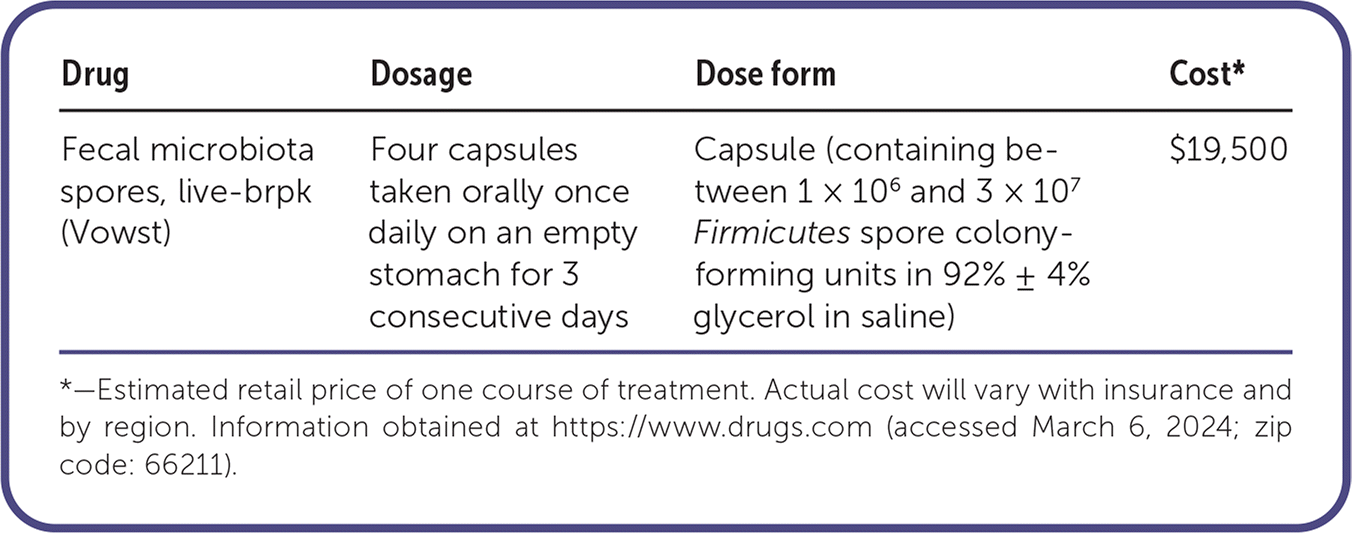
| Drug | Dosage | Dose form | Cost* |
|---|---|---|---|
| Fecal microbiota spores, live-brpk (Vowst) | Four capsules taken orally once daily on an empty stomach for 3 consecutive days | Capsule (containing between 1 × 10⁶ and 3 × 10⁷ Firmicutes spore colony-forming units in 92% ± 4% glycerol in saline) | $19,500 |
*—Estimated retail price of one course of treatment. Actual cost will vary with insurance and by region. Information obtained at https://www.drugs.com (accessed March 6, 2024; zip code: 66211).
Safety
In one study of nonpregnant adults, no serious adverse events were reported in the 6 months following initiation of treatment with Vowst.1 To avoid complications of hyper-magnesemia, patients with impaired renal function were directed to take a polyethylene glycol electrolyte solution in place of the standard magnesium citrate. Lactating individuals and those with an absolute neutrophil count of less than 500 per μL (0.50 × 10⁹ per L) were excluded from the trials.1 Vowst has not been evaluated in children or adolescents. There are no known drug interactions, other than a theoretical risk with other fecal microbiota products.
Tolerability
Vowst is generally well tolerated. Adverse effects are primarily gastrointestinal, including abdominal distention, constipation, diarrhea, flatulence, and nausea. Other reported adverse effects include fatigue and chills.2 However, in one randomized, double-blind, placebo-controlled study (n = 182), the incidence of the most common symptoms was similar between participants who received Vowst and those who received placebo; this included abdominal distention (31% vs. 29%), fatigue (22% vs. 22%), constipation (14% vs. 11%), and chills (11% vs. 8%). Diarrhea was the most common spontaneously reported adverse effect, occurring in 10% of participants who received Vowst compared with 4% of those who received placebo. Most adverse effects occurred within 10 days of starting treatment, and the median duration of these symptoms was no more than 5 days. The pooled drop-out rate for patients randomized to Vowst over 8 weeks of follow-up was 5.6%.1
Effectiveness
Vowst significantly reduces C. difficile infection recurrence. In one study, the recurrence of infection in participants who received Vowst was 12.4% at 8 weeks, compared with 39.8% in those treated with placebo (number needed to treat [NNT] = 4; 95% CI, 3.1 to 6.0). The reduction in recurrent disease persisted at 24 weeks, with a recurrence rate of 21.3% in those who received Vowst compared with 47.3% in the placebo group (NNT = 4; 95% CI, 2.8 to 6.2). This rate is better than what has been reported for fecal microbiota, live-jslm (Rebyota), which has an NNT of 8 to prevent one case of recurrent C. difficile infection over 8 weeks, although these therapies have not been directly compared.3 Treatment for fewer than 3 days has not proven effective.4
Read the full article
Get immediate access, anytime, anywhere.
Choose a single article, issue, or full-access subscription.
Earn up to 14 CME credits per issue.
