

Approximately 10% to 20% of the general population has elevated liver chemistry levels, including aspartate and alanine transaminases. Elevated transaminase levels may be associated with significant underlying liver disease and increased risk of liver-related and all-cause mortality. The most common causes of mildly elevated transaminase levels (two to five times the upper limit of normal) are metabolic dysfunction-associated steatotic liver disease (MASLD) and alcoholic liver disease. Uncommon causes include drug-induced liver injury, chronic hepatitis B and C, and hereditary hemochromatosis. Rare causes are alpha1-antitrypsin deficiency, autoimmune hepatitis, and Wilson disease. Extrahepatic causes are celiac disease, hyperthyroidism, rhabdomyolysis, and pregnancy-associated liver disease. Initial laboratory testing assesses complete blood cell count with platelets, blood glucose, lipid profile, hepatitis B surface antigen, hepatitis C antibody, serum albumin, iron, total iron-binding capacity, and ferritin. If MASLD is suspected, the FIB-4 Index Score or NAFLD Fibrosis Score can be used to predict which patients are at risk for fibrosis and may benefit from further testing or referral to a hepatologist. All patients with elevated transaminases should be counseled about moderation or cessation of alcohol use, weight loss, and avoidance of hepatotoxic drugs.
Liver chemistry tests assess liver health and measure levels of alanine transaminase (ALT) and aspartate transaminase (AST). They can identify hepatic inflammation or cholestasis but do not quantify anabolic liver function like serum measurements of albumin or prothrombin time. In general, ALT is a more specific marker of hepatic inflammation because AST is also found in cardiac and skeletal muscle, the kidneys, and the brain.1
SORT: KEY RECOMMENDATIONS FOR PRACTICE
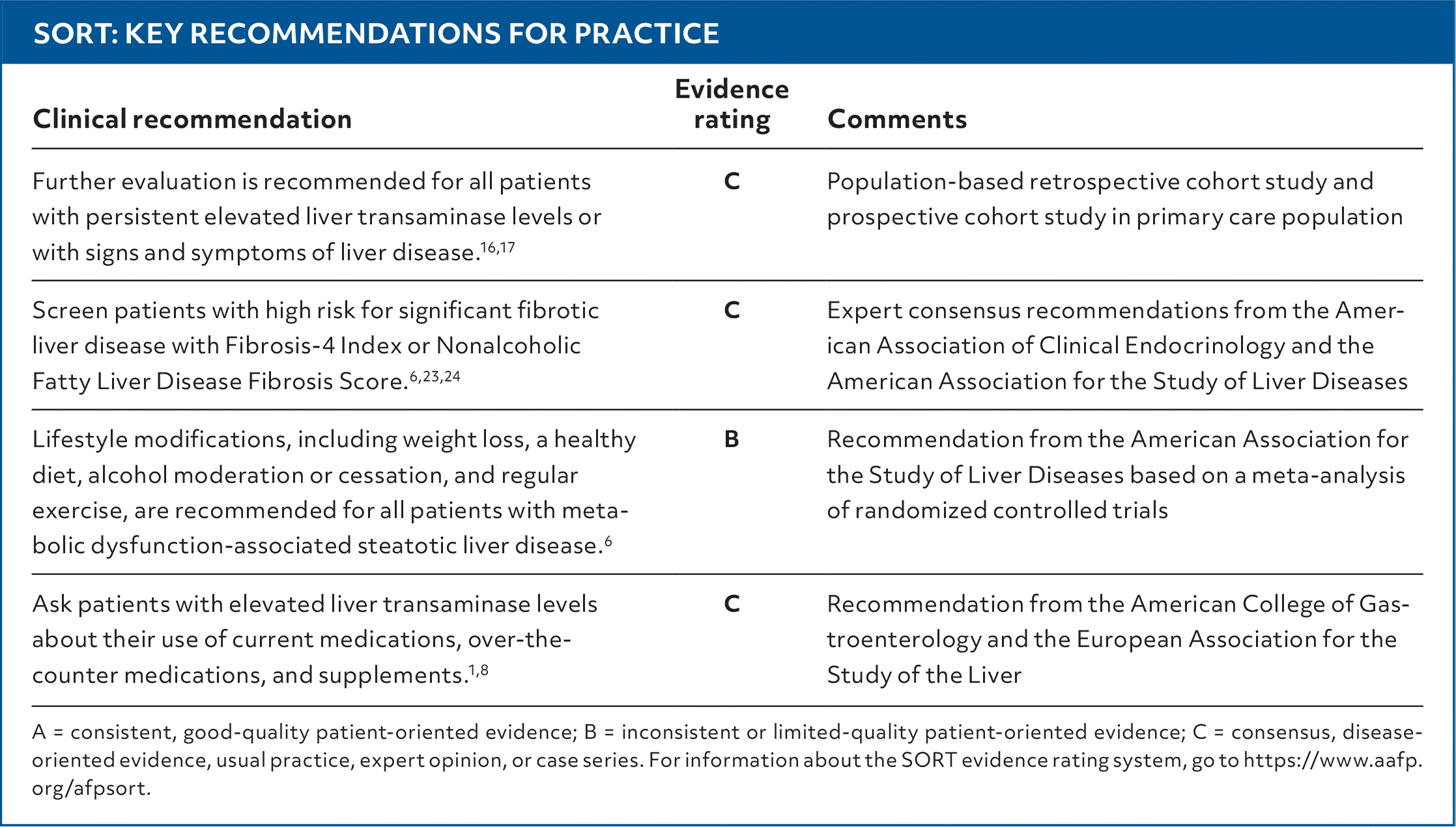
A = consistent, good-quality patient-oriented evidence; B = inconsistent or limited-quality patient-oriented evidence; C = consensus, disease-oriented evidence, usual practice, expert opinion, or case series. For information about the SORT evidence rating system, go to https://www.aafp.org/afpsort.
Read the full article
Get immediate access, anytime, anywhere.
Choose a single article, issue, or full-access subscription.
Earn up to 14 CME credits per issue.
