

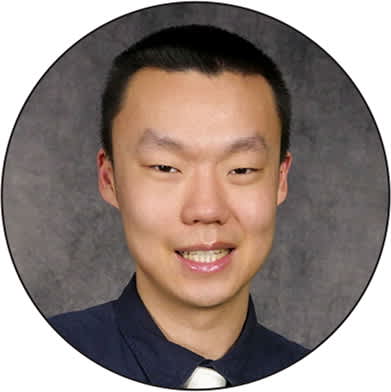
Edmund Shi, DO, FAAFP, DABFM
Family and urgent care physician at Cleveland Clinic Mercy Medical Center in Canton, Ohio. Send correspondence to shie2@ccf.org.
8:00 am
When I arrive at the office, the nurse alerts me to a medical emergency. I see a young woman with worsening fatigue and presyncopal symptoms. Because I am worried about her pale appearance, I order laboratory testing. The results show severe microcytic anemia, with a hemoglobin level of 6.1 g/dL. I send the patient to the hospital for stabilization.
10:30 am
I see a patient who, to my delight, is wearing the logo of my former high school. I discover that they play trombone in the marching band, an instrument I also played. I let them in on a band secret that allows one to blow the trombone slide more than 10 yards down the field at the opponents. After a laugh, we discuss how to manage their upper respiratory tract infection.
12:00 pm
My next patient is a kind man who presents with insomnia. I ask about his sleeping habits, and he mentions that he drinks more than two cups of coffee before bed. I tell him to eliminate the nightly coffee, and his symptoms have resolved by his next appointment. It still amazes me how often patients will give us the answer when we listen.
3:00 pm
A young girl comes in with a sore throat. She does not want a throat swab, but I would prefer to rule out a bacterial cause. We eventually negotiate a deal of two cherry-flavored suckers and three SpongeBob stickers in exchange for the swab. With a positive result for strep, I prescribe liquid amoxicillin.
8:00 pm
I am tired from another day of seeing more than 50 patients, but my staff takes the time to compliment me on a job well done. Despite the challenges, these moments make it all worthwhile. My work is very satisfying, and I would not trade the memories for anything.
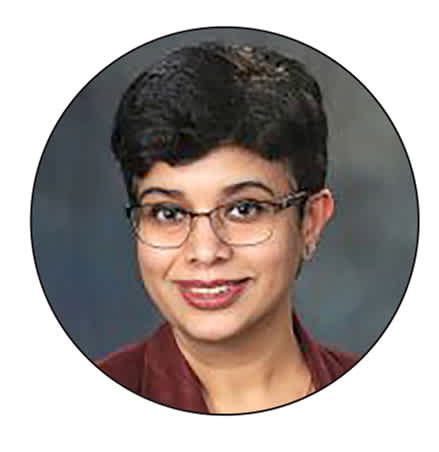
Rashmi Rode, MD, FAAFP
Associate professor in the Department of Family and Community Medicine and associate program director for the Family Medicine Residency at Baylor College of Medicine in Houston, Texas. Send correspondence to rode@bcm.edu.
5:30 am
It is Monday morning and my day begins early with a quick workout at the local YMCA. Afterward, I review the clinic schedule over a cup of coffee as I prepare for another busy day.
8:15 am
My first patient is a pregnant 28-year-old who is here for her first prenatal visit. She is excited but nervous—her seizure disorder is well controlled, but she is unsure about the safety of taking her medications during pregnancy. We review her medications and arrange a follow-up with neurology.
11:00 am
My next patient is an older man with poorly controlled diabetes. He is discouraged because, despite his efforts, his A1C level is rising. After a recent amputation, he is frustrated. We focus on his successes: consistent sugar logs and dietary changes. While celebrating these small wins, we tweak his plan together.
4:30 pm
A teenaged girl presents with her mom for a well-child visit. Her HEADSS assessment for adolescents is positive. My resident and I reassess the teenager, interviewing her with and without her mom. The teenager reports that she was slapped by her mother as discipline for underage drinking. We call Child Protective Services. We establish that physical discipline for alcohol use is not considered child abuse under the Texas Penal Code. We schedule a follow-up with the teen to further assess her behavior and home environment. I reflect on how challenging these types of visits are. Although we were worried about the teen, there are limits to how much we can intervene.
6:30 pm
I am home at last and greeted by two wagging tails. I relax with tea and video call my parents. I reflect on the day and feel immense gratitude for the trust of my patients and the unwavering support of my family.
