

Cardiomyopathy is a condition in which the myocardium is diseased, resulting in structural and functional abnormalities. This review focuses on nonischemic causes for cardiomyopathies. The overall presentation can vary in severity and age at symptom onset depending on the underlying cause. Symptoms depend on the type of cardiomyopathy but often include dyspnea, fatigue, arrhythmia, and syncope. Cardiomyopathies can be classified as primary (related to conditions isolated to the heart) or secondary (related to systemic disease such as amyloidosis). The most common primary cardiomyopathy is hypertrophic cardiomyopathy. Evaluation of cardiomyopathy includes a detailed personal and family history in conjunction with a physical examination. Further assessment includes electrocardiography, echocardiography, or other advanced imaging modalities. Management is guided by the type of cardiomyopathy and includes guideline-directed medical therapy for heart failure, rate or rhythm control for arrhythmias, anticoagulation for those at risk for coagulopathy, and risk-stratified counseling for physical activity. Risk stratification for an implantable cardioverter-defibrillator is recommended in all patients with hypertrophic cardiomyopathy. Heart transplantation can be considered for those with advanced disease.
Cardiomyopathy is a condition in which the myocardium is diseased, causing structural and functional abnormalities. Common symptoms include dyspnea, fatigue, edema, syncope, or sudden cardiac death (SCD).1,2 This review covers only nonischemic causes of cardiomyopathy.
WHAT'S NEW ON THIS TOPIC
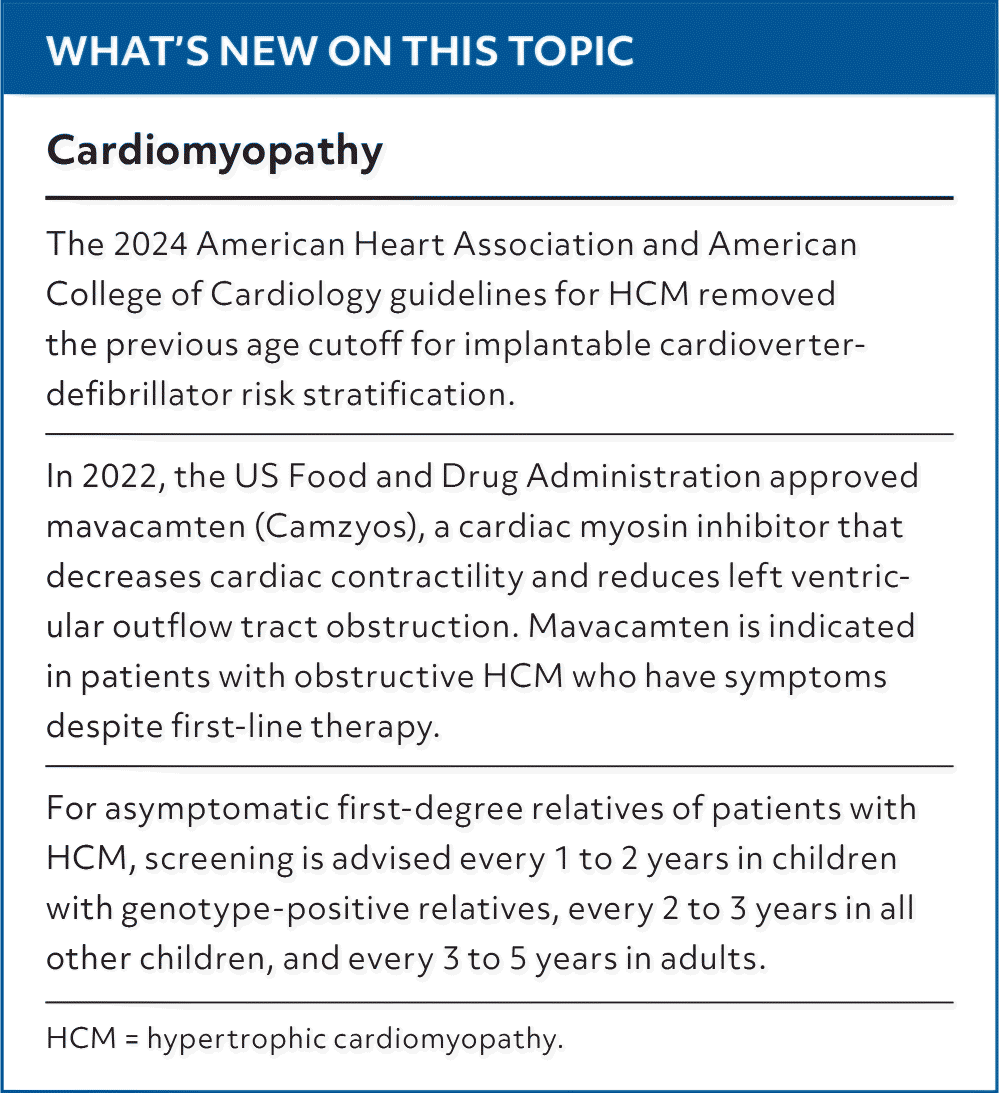
| The 2024 American Heart Association and American College of Cardiology guidelines for HCM removed the previous age cutoff for implantable cardioverter-defibrillator risk stratification. |
| In 2022, the US Food and Drug Administration approved mavacamten (Camzyos), a cardiac myosin inhibitor that decreases cardiac contractility and reduces left ventricular outflow tract obstruction. Mavacamten is indicated in patients with obstructive HCM who have symptoms despite first-line therapy. |
| For asymptomatic first-degree relatives of patients with HCM, screening is advised every 1 to 2 years in children with genotype-positive relatives, every 2 to 3 years in all other children, and every 3 to 5 years in adults. |
HCM = hypertrophic cardiomyopathy.
SORT: KEY RECOMMENDATIONS FOR PRACTICE
| Clinical recommendation | Evidence rating | Comments |
|---|---|---|
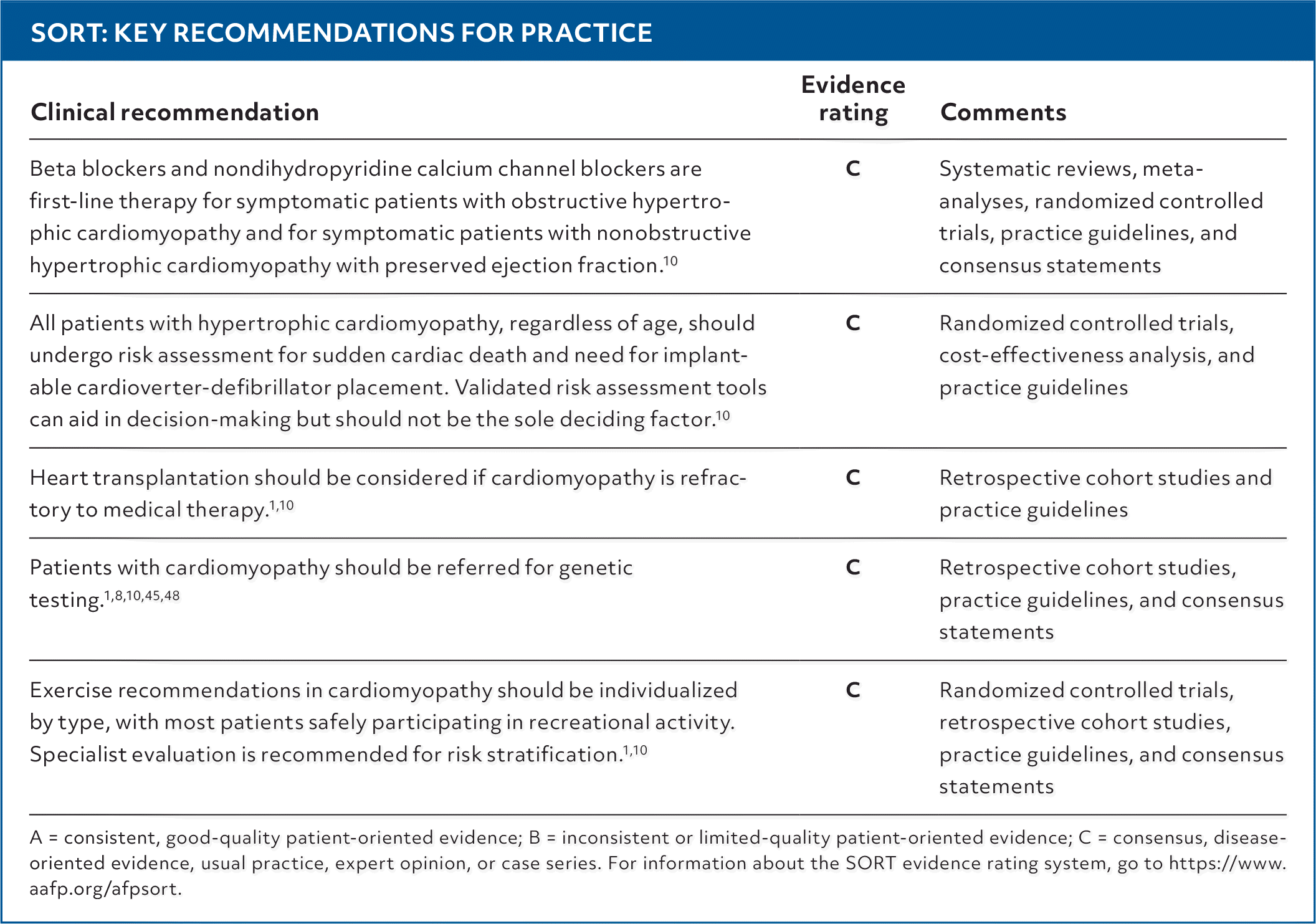
| Beta blockers and nondihydropyridine calcium channel blockers are first-line therapy for symptomatic patients with obstructive hypertrophic cardiomyopathy and for symptomatic patients with nonobstructive hypertrophic cardiomyopathy with preserved ejection fraction.10 | C | Systematic reviews, meta-analyses, randomized controlled trials, practice guidelines, and consensus statements |
| All patients with hypertrophic cardiomyopathy, regardless of age, should undergo risk assessment for sudden cardiac death and need for implantable cardioverter-defibrillator placement. Validated risk assessment tools can aid in decision-making but should not be the sole deciding factor.10 | C | Randomized controlled trials, cost-effectiveness analysis, and practice guidelines |
| Heart transplantation should be considered if cardiomyopathy is refractory to medical therapy.1,10 | C | Retrospective cohort studies and practice guidelines |
| Patients with cardiomyopathy should be referred for genetic testing.1,8,10,45,48 | C | Retrospective cohort studies, practice guidelines, and consensus statements |
| Exercise recommendations in cardiomyopathy should be individualized by type, with most patients safely participating in recreational activity. Specialist evaluation is recommended for risk stratification.1,10 | C | Randomized controlled trials, retrospective cohort studies, practice guidelines, and consensus statements |
A = consistent, good-quality patient-oriented evidence; B = inconsistent or limited-quality patient-oriented evidence; C = consensus, disease-oriented evidence, usual practice, expert opinion, or case series. For information about the SORT evidence rating system, go to https://www.aafp.org/afpsort.
Read the full article
Get immediate access, anytime, anywhere.
Choose a single article, issue, or full-access subscription.
Earn up to 14 CME credits per issue.
