

Infective endocarditis develops when aggravating conditions damage the endothelial lining of the heart and create a nidus of infection. The nidus triggers a cytokine-mediated inflammatory response, which can lead to platelet aggregation and thrombus formation. Bacteria or fungi in the blood can then adhere to the thrombus and colonize, proliferate, and form vegetations. Staphylococcus aureus, Streptococcus species, and Enterococcus species comprise more than 80% of identified bacterial pathogens in cases of infective endocarditis. Endocarditis should be considered in any patient with fever or sepsis of unknown origin. Fever is the most common presenting feature in acute endocarditis, although it is uncommon in subacute cases. New or worsening heart murmur is a typical feature. Initial evaluation includes obtaining blood cultures and echocardiography. Use of the 2023 Duke Criteria is recommended to confirm diagnosis. Empiric intravenous antimicrobial therapy, infectious source control, and expert consultation from a multi-disciplinary team are the mainstays of initial treatment. Patients should also be monitored for surgical indications and development of complications. Patients with a history of endocarditis may benefit from antibiotic prophylaxis before certain procedures and should be counseled on the importance of maintaining oral and skin hygiene to reduce risk.
Endocarditis refers to infection of the endocardial surface of the heart. In 2019, approximately 1.1 million cases of endocarditis were reported globally.1,2 The condition has an estimated 1-year mortality rate of 30% to 40%, and the in-hospital mortality rate ranges from 15% to 20%.3–5 Endocarditis recurs in 2% to 9% of cases.6 Risk factors are listed in Table 1.6–10
WHAT'S NEW ON THIS TOPIC
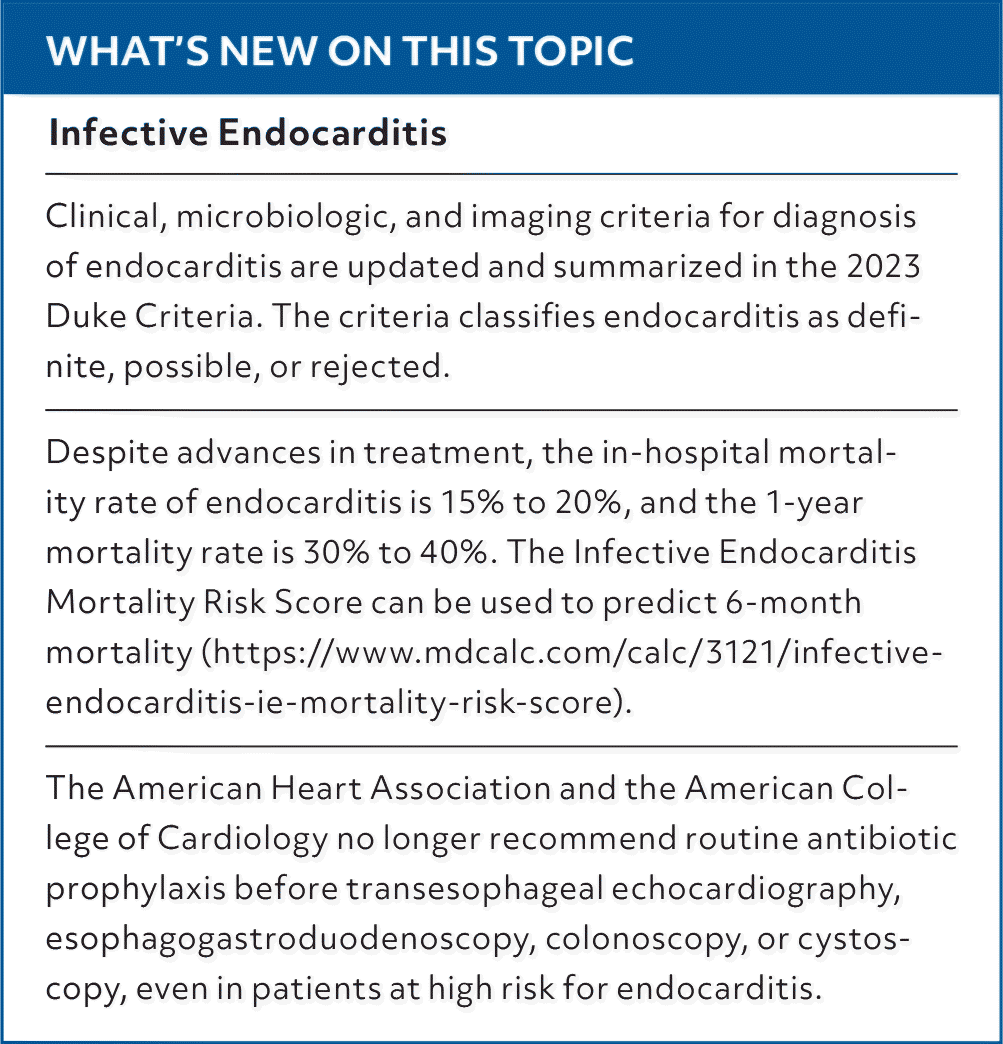
| Clinical, microbiologic, and imaging criteria for diagnosis of endocarditis are updated and summarized in the 2023 Duke Criteria. The criteria classifies endocarditis as definite, possible, or rejected. |
| Despite advances in treatment, the in-hospital mortality rate of endocarditis is 15% to 20%, and the 1-year mortality rate is 30% to 40%. The Infective Endocarditis Mortality Risk Score can be used to predict 6-month mortality (https://www.mdcalc.com/calc/3121/infective-endocarditis-ie-mortality-risk-score). |
| The American Heart Association and the American College of Cardiology no longer recommend routine antibiotic prophylaxis before transesophageal echocardiography, esophagogastroduodenoscopy, colonoscopy, or cystoscopy, even in patients at high risk for endocarditis. |
SORT: KEY RECOMMENDATIONS FOR PRACTICE
| Clinical recommendation | Evidence rating | Comments |
|---|---|---|
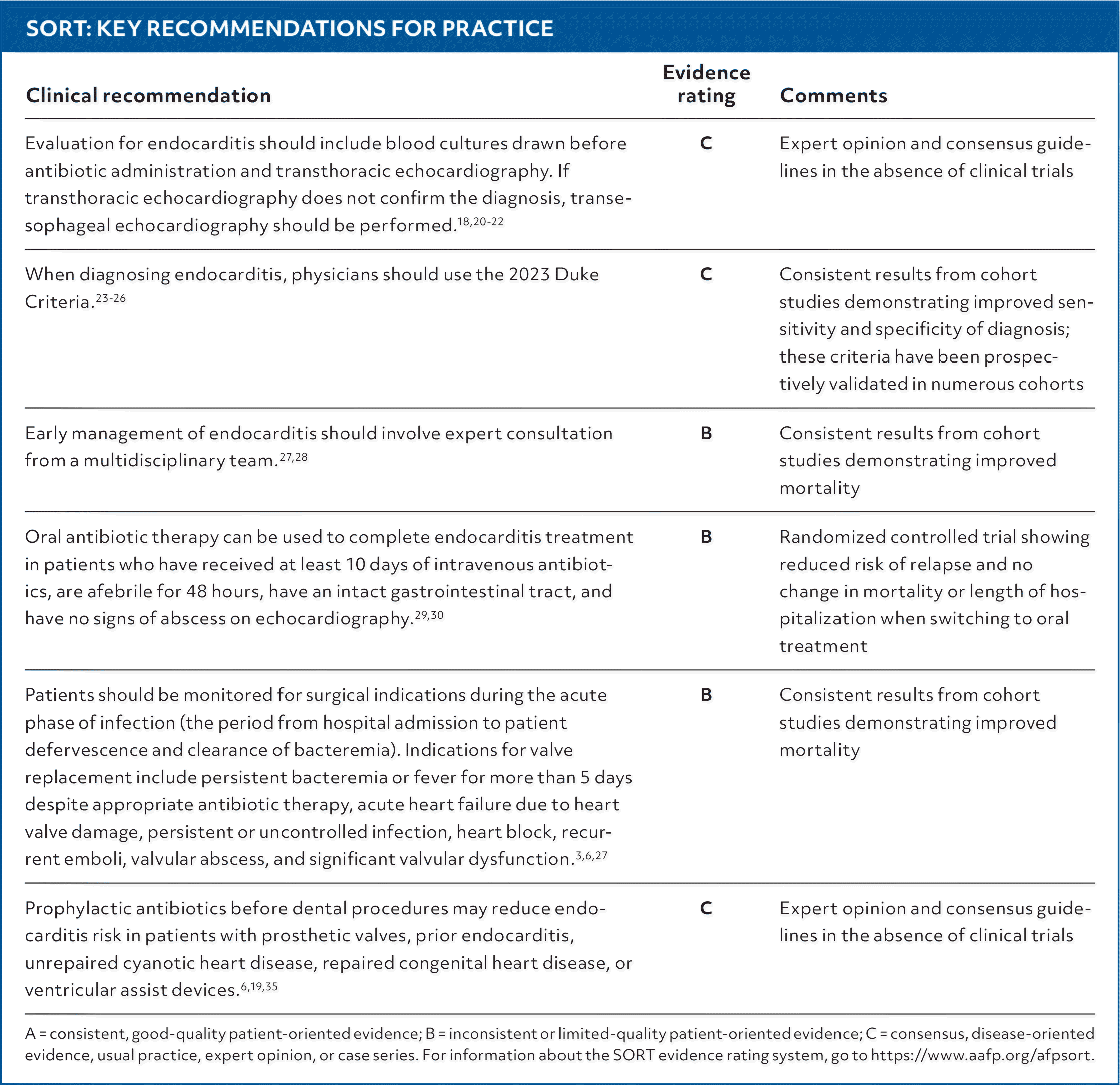
| Evaluation for endocarditis should include blood cultures drawn before antibiotic administration and transthoracic echocardiography. If transthoracic echocardiography does not confirm the diagnosis, transesophageal echocardiography should be performed.18,20–22 | C | Expert opinion and consensus guidelines in the absence of clinical trials |
| When diagnosing endocarditis, physicians should use the 2023 Duke Criteria.23–26 | C | Consistent results from cohort studies demonstrating improved sensitivity and specificity of diagnosis; these criteria have been prospectively validated in numerous cohorts |
| Early management of endocarditis should involve expert consultation from a multidisciplinary team.27,28 | B | Consistent results from cohort studies demonstrating improved mortality |
| Oral antibiotic therapy can be used to complete endocarditis treatment in patients who have received at least 10 days of intravenous antibiotics, are afebrile for 48 hours, have an intact gastrointestinal tract, and have no signs of abscess on echocardiography.29,30 | B | Randomized controlled trial showing reduced risk of relapse and no change in mortality or length of hospitalization when switching to oral treatment |
| Patients should be monitored for surgical indications during the acute phase of infection (the period from hospital admission to patient defervescence and clearance of bacteremia). Indications for valve replacement include persistent bacteremia or fever for more than 5 days despite appropriate antibiotic therapy, acute heart failure due to heart valve damage, persistent or uncontrolled infection, heart block, recurrent emboli, valvular abscess, and significant valvular dysfunction.3,6,27 | B | Consistent results from cohort studies demonstrating improved mortality |
| Prophylactic antibiotics before dental procedures may reduce endocarditis risk in patients with prosthetic valves, prior endocarditis, unrepaired cyanotic heart disease, repaired congenital heart disease, or ventricular assist devices.6,19,35 | C | Expert opinion and consensus guidelines in the absence of clinical trials |
A = consistent, good-quality patient-oriented evidence; B = inconsistent or limited-quality patient-oriented evidence; C = consensus, disease-oriented evidence, usual practice, expert opinion, or case series. For information about the SORT evidence rating system, go to https://www.aafp.org/afpsort.
Read the full article
Get immediate access, anytime, anywhere.
Choose a single article, issue, or full-access subscription.
Earn up to 14 CME credits per issue.
