

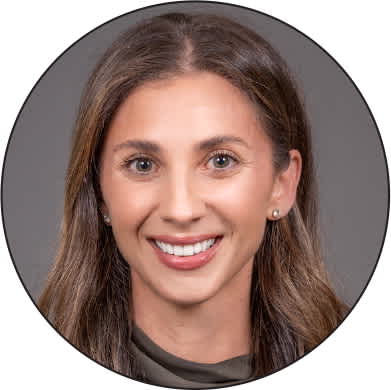
Ariel Portera, DO, is an assistant clinical professor at UC San Diego Health Family Medicine, San Diego, California. aportera@ health.ucsd.edu.
7:30 am
I arrive at my integrative medicine clinic at an academic institution, and I am greeted by two eager medical students.
8:00 am
We see a new patient with IBS-D. We review her history and discuss diet, the gut microbiome, and gut-brain interaction. We develop an integrative plan that includes rifaximin, a low-FODMAP diet, and gut-directed hypnotherapy. She expresses gratitude for a whole-person approach.
12:45 pm
I shift from clinician to patient for my own doctor's appointment—my fifth in 2 weeks. A colleague kindly sees me during lunch, so I don't have to cancel my own patients. The weight of living with a chronic illness while caring for others feels heavy today. I take a moment to ground myself with diaphragmatic breathing in preparation for a busy primary care clinic.
1:05 pm
My next patient is a teenager with lupus. She has worsening migraines after starting mycophenolate mofetil. I coordinate care between her rheumatologist and neurologist. She is attending college in a region with limited specialty care, and we work to develop a plan that allows her to focus on her studies.
4:20 pm
I see a patient who was in the emergency department for syncope. She arrives with postconcussive symptoms and anxiety. I order an event monitor and echocardiography. I also increase the dosage of her SSRI. After our visit, I introduce her to our integrated behavioral health care professional.
6:30 pm
I arrive home, reflect on my day, and search for balance. My daughter waves from the window. I open the door, leave the day behind, and embrace this opportunity for joy.
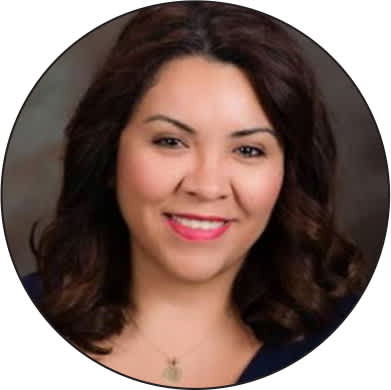
Debbie Villarreal Smith, DO, is an associate professor in the Department of Family and Community Medicine at the Permian Basin at Texas Tech University Health Sciences Center, Odessa. debbie2.smith@ttuhsc.edu.
5:00 am
My alarm rings, and I start my day with 30 minutes of cycling to help clear my mind. I remind myself of the role model I want to be for my patients and residents.
7:00 am
I arrive at the hospital. After I review charts, I walk to the nursery to discuss the risks and benefits of elective circumcisions with parents who are skeptical of the procedure.
9:00 am
I meet with residents for checkout and choose a topic to discuss; today we review the difference between hyperactive and hypoactive delirium and how to manage them. I love watching my residents learn and grow as hospitalists.
1:45 pm
I walk into my next patient's room. He was admitted for acute paraplegia. MRI helps with the diagnosis: neuromyelitis optica spectrum disorder, a rare autoimmune disease with a poor prognosis. My heart sinks. I have a difficult conversation and deliver the news to him and his wife, both long-term patients of mine. It is a teaching moment for my residents. Continuity of care isn't just good medicine; it's what allows us to stand beside our patients through their most vulnerable moments.
3:00 pm
The day is a blur of conversations and decisions about emergency department admissions, nurse calls, and coordinators planning discharges. Despite all the multitasking, we were able to perform a circumcision and triage a critical patient with sepsis.
7:00 pm
I'm home at last. I cook dinner and settle into family time. I think about the patients I cared for, the residents I taught, and the lessons medicine offered me today. It's exhausting, but it's meaningful in ways I can't quite measure.
