

Articles
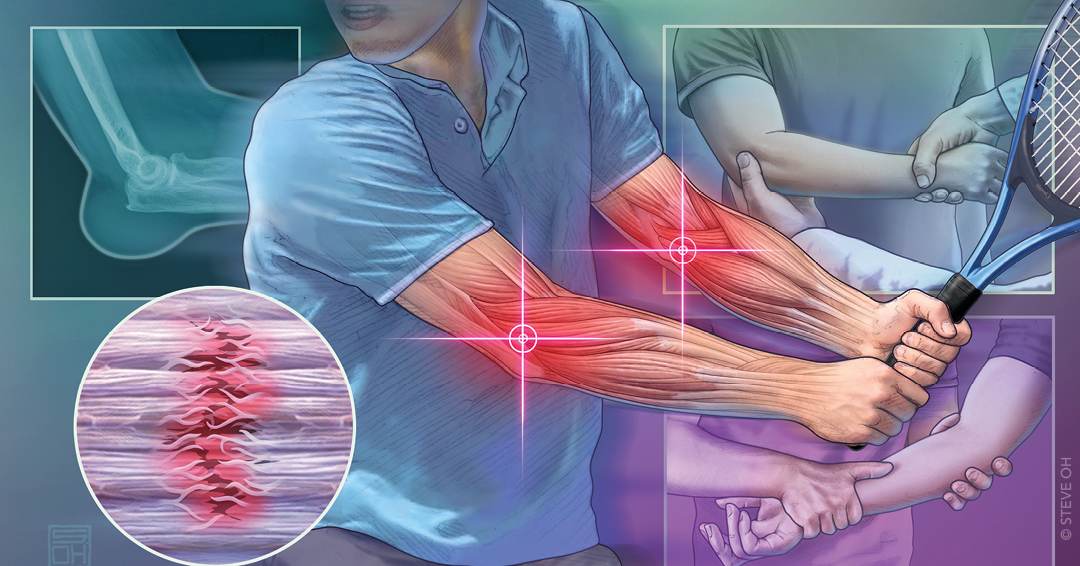
Elbow Pain in Adults: Evaluation and Differential Diagnosis
Elbow pain most often results from overuse tendinopathies, neuropathic compression, traumatic injuries, or intra-articular disorders. A regional diagnostic approach that localizes pain to the anterior, lateral, medial, or posterior elbow efficiently narrows the differential…
Hyperlipidemia: Pharmacotherapy for Cardiovascular Risk Reduction in Adults
Hyperlipidemia management is key to cardiovascular risk reduction. Statins are first-line agents for primary and secondary prevention of atherosclerotic cardiovascular disease. The addition of nonstatins, especially for secondary prevention, should be considered in patients who…
Gait and Balance Disorders in Older Adults
Gait and balance disorders affect a patient's quality of life, reduce functional capacity, and increase morbidity and mortality. Physicians caring for older adults should ask patients about unsteadiness and falls at every health maintenance visit to help determine patients…
Prevention and Treatment of Drowning
Drowning is a major cause of injury-related death worldwide, especially in children. Steps to optimize survival include drowning prevention, recognizing distress, providing flotation support, removing the person from the water, and delivering appropriate care afterward.
Emerging Vector-Borne Diseases in North America
Environmental changes have caused the rapid emergence of vector-borne diseases (eg, West Nile virus, Zika virus). The primary method of prevention is avoidance of insect bites by minimizing skin exposure and applying repellents.
Measles: Rapid Evidence Review
Measles is a highly contagious, vaccine-preventable infection that can cause severe complications, hospitalization, and death in nonimmune people. Early recognition and diagnostic testing, isolation of people who are infected, vaccination, and postexposure prophylaxis can…
2026–2027 Influenza, RSV, and SARSCoV-2 Immunization Recommendations for Nonpregnant, Immunocompetent Adults and Health Care Personnel
Immunization remains the most effective intervention to reduce severe respiratory illness. This article provides current AAFP recommendations, product guidance, and practical workflows for delivering vaccines efficiently in primary care.
Editorials
Assessing the 2026 ACC/AHA Guideline on the Management of Dyslipidemia
The fact that atherosclerosis does not start in late adulthood is a critical contextual issue driving the need for earlier and more sustained preventive interventions focused on lifestyle optimization for all, and medications for some.
Comparing Dyslipidemia Recommendations: Evidence Supporting USPSTF vs ACC/AHA Guidelines
The ACC/AHA has released a major update to its 2018 dyslipidemia guideline introducing several significant changes. The 2026 guidelines use a different approach from the USPSTF and US VA/DoD.
Climate-Driven Changes in Vector-Borne Diseases
Vector-borne diseases are infections transmitted by small blood-feeding organisms such as mosquitoes, fleas, or ticks. Environmental conditions strongly influence vector survival, their reproduction, and rate of contact with human hosts.
Medicine by the Numbers
Pharmacotherapy for Mild Hypertension
A color recommendation of yellow (unclear benefits) has been assigned for pharmacologic interventions in adults with mild hypertension and no known cardiovascular disease.
Cochrane for Clinicians
Probiotics for the Prevention of Clostridioides difficile–Associated Diarrhea in Adults and Children
Using probiotics in conjunction with antibiotics is safe and effective for reducing the incidence of Clostridioides difficile–associated diarrhea.
SSRIs for Premenstrual Syndrome and Premenstrual Dysphoric Disorder
Selective serotonin reuptake inhibitors (SSRIs) likely reduce overall premenstrual symptom severity in patients with premenstrual syndrome (PMS) or premenstrual dysphoric disorder (PMDD) compared with placebo. Continuous dosing may be more effective than luteal phase dosing…
Curbside Consultation
Food Insecurity: Addressing Nutritional Barriers in Under-Resourced Communities
Clinicians have an essential role in supporting their patients with limited resources by referring them to available programs and advocating for evidence-based policies to support them achieving healthy diets.
FPIN's Clinical Inquiries
Weight Loss Before Total Knee Arthroplasty in Patients With Obesity
Although obesity increases the risks associated with total knee arthroplasty (TKA), there is no consistent evidence to recommend weight loss before surgery. Practice guidelines recommend against delaying TKA solely for losing weight to a predetermined body mass index.
Photo Quiz
Focal Infiltrate in a Patient With Extrapulmonary Symptoms
A 60-year-old man presented with fever, dry cough, nausea, diarrhea, weakness and a focal infiltrate on radiography.
Erythematous Facial Rash
A patient presented for evaluation of a pruritic, burning rash around her mouth and nose.
STEPS
Gepotidacin (Blujepa) for the Treatment of Uncomplicated UTIs in Female Patients
Gepotidacin (Blujepa) is a bactericidal antibiotic labeled for the treatment of uncomplicated urinary tract infections (UTIs) in female patients 12 years and older weighing at least 40 kg (88 lb).
POEMs
HPV Vaccination Is Associated With Lower Cancer Risk in Females
Does the human papillomavirus (HPV) vaccine protect against other malignancies in addition to cervical cancer?
Left Atrial Appendage Closure Is Inferior to Best Medical Therapy for Patients With Atrial Fibrillation and High Bleeding and Stroke Risk
In patients with atrial fibrillation and a high risk of stroke or bleeding, is left atrial appendage closure noninferior to best medical therapy (generally with a direct oral anticoagulant [DOAC])?
Use of Hair Dye Products Is Likely Associated With an Increased Incidence of Uterine Fibromas Among Black Women
Is the use of hair dyes associated with an increased incidence of uterine fibromas in Black women?
Decreased Short-Term Mortality With Steroid Use for Severe Pneumonia and Acute Respiratory Distress Syndrome
Is there a reduction in mortality in patients with severe pneumonia or acute respiratory distress syndrome (ARDS) who receive adjunct corticosteroids?
Practice Guidelines
Suspected Acute Nontraumatic Thoracic Aortic Dissection: Evaluation and Management Guidance From ACEP
This updated policy from the American College of Emergency Physicians provides guidance on use of a clinical decision rule to guide further workup in patients with suspected acute nontraumatic thoracic aortic dissection.
Asthma Management: Guidelines From the VA/DoD
The US Department of Veterans Affairs and US Department of Defense have updated their clinical practice guidelines for management of asthma in patients 5 years and older.
Letters to the Editor
Ambulatory Blood Pressure Monitoring and Resistant Hypertension
Letter to the Editor
Information from Your Family Doctor
How to Avoid Diseases From Tick and Mosquito Bites
How to Avoid Diseases From Tick and Mosquito Bites
Funded Educational Content
Role of Hypercortisolism in Blood Pressure Control and Resistant Hypertension
Funded educational content