

Easy bruising and bleeding are commonly seen in primary care. Use of a bleeding assessment tool and a comprehensive history, physical examination, and patient-provided photographs can help identify causes of abnormal bleeding and bruising. Family history can aid diagnosis of a heritable cause. Nonaccidental trauma should be considered, especially in vulnerable populations. Initial laboratory testing includes a complete blood cell count, peripheral blood smear, prothrombin time (PT), international normalized ratio, activated partial thromboplastin time (aPTT), and fibrinogen. Normal PT and aPTT results may indicate a platelet disorder. A normal PT result with a prolonged aPTT result indicates a disorder of the intrinsic coagulation pathway, and a prolonged PT result with a normal aPTT result may indicate a disorder of the extrinsic coagulation pathway. Consultation with a hematologist is recommended when initial evaluation indicates a bleeding disorder or when suspicion remains high despite a normal laboratory workup result.
Easy bruising and bleeding are commonly seen in primary care. Heavy menstrual bleeding (47%), epistaxis (25%), and easy bruising (18%) are commonly reported in healthy patients without an underlying disorder.1,2 Causes include trauma, medications, vitamin deficiencies, platelet disorders, clotting factor deficiencies and inhibitors, pregnancy, malignancy, liver disease, and connective tissue disease.3 Abnormal bleeding and bruising may be caused by defects in both primary and secondary hemostasis due to an acquired or inherited disorder.
SORT: KEY RECOMMENDATIONS FOR PRACTICE
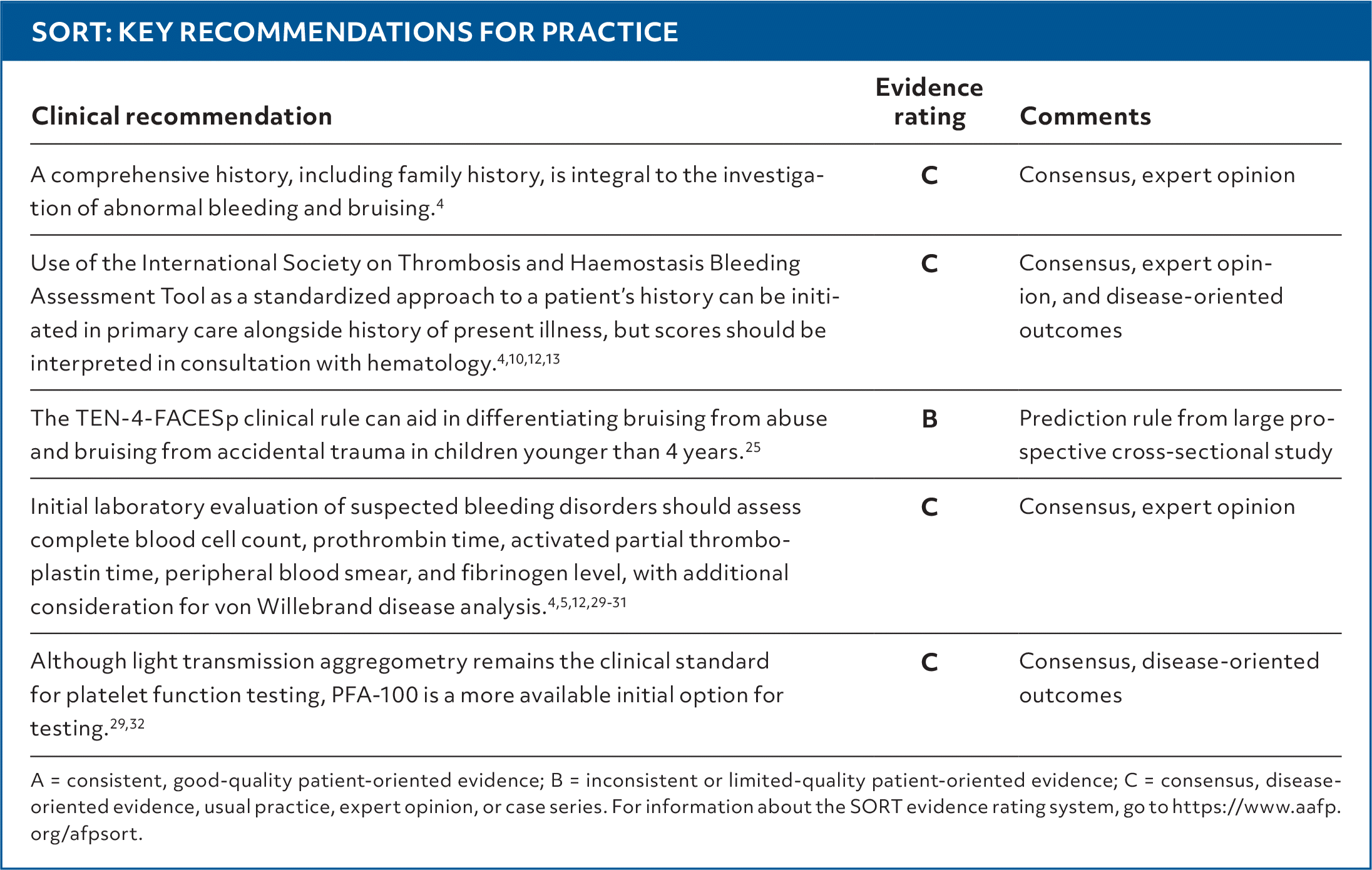
A = consistent, good-quality patient-oriented evidence; B = inconsistent or limited-quality patient-oriented evidence; C = consensus, disease-oriented evidence, usual practice, expert opinion, or case series. For information about the SORT evidence rating system, go to https://www.aafp.org/afpsort.
A comprehensive history, physical examination, and validated bleeding assessment tool may help identify an underlying bleeding disorder.4,5 Physicians can initiate this workup and consult with a hematologist for diagnosis of unidentified disorders or advanced testing.
Read the full article
Get immediate access, anytime, anywhere.
Choose a single article, issue, or full-access subscription.
Earn up to 14 CME credits per issue.
