

Vitamin B12 deficiency occurs in approximately 2% to 3% of adults in the United States. Risk factors include malabsorptive processes, limited dietary intake of vitamin B12, use of certain medications (eg, metformin, proton pump inhibitors), and older age. Symptoms vary based on the severity of vitamin B12 deficiency but may include fatigue, brain fog, depression, peripheral neuropathy, and ataxia. Although universal screening is not recommended, testing should be considered in patients with at least one risk factor for and one clinical feature of vitamin B12 deficiency. Initial testing includes total serum vitamin B12 level, which is diagnostic for deficiency if less than 180 pg/mL. Borderline levels (180–350 pg/mL) warrant a methylmalonic acid measurement, which is diagnostic for vitamin B12 deficiency if elevated. Patients without a clear cause of deficiency should undergo further testing for atrophic gastritis with a Helicobacter pylori test and evaluation for autoantibodies associated with autoimmune gastritis. Oral vitamin B12 supplementation can be used in most patients and is noninferior to intramuscular supplementation. Intramuscular administration should be considered in patients with severe deficiency or neurologic manifestations. Vitamin B12 levels that are persistently elevated (greater than 1,000 pg/mL on two measurements) have been associated with solid tumors, hematologic malignancy, and increased risk of cardiovascular death.
Vitamin B12 (cobalamin) is a water-soluble vitamin with roles in nervous system myelination, DNA synthesis, and red blood cell production.1,2 Primary sources include animal products such as meat, fish, eggs, and dairy, as well as foods fortified with vitamin B12 (Table 1).3 Once consumed, vitamin B12 binds to intrinsic factor (produced by gastric parietal cells), is absorbed in the ileum, and then binds to the transport proteins haptocorrin and transcobalamin.1,2 About 80% of vitamin B12 is bound to haptocorrin in its inactive form, and 20% is bound to transcobalamin in the metabolically active form, holotranscobalamin.1,2,4
WHAT'S NEW ON THIS TOPIC
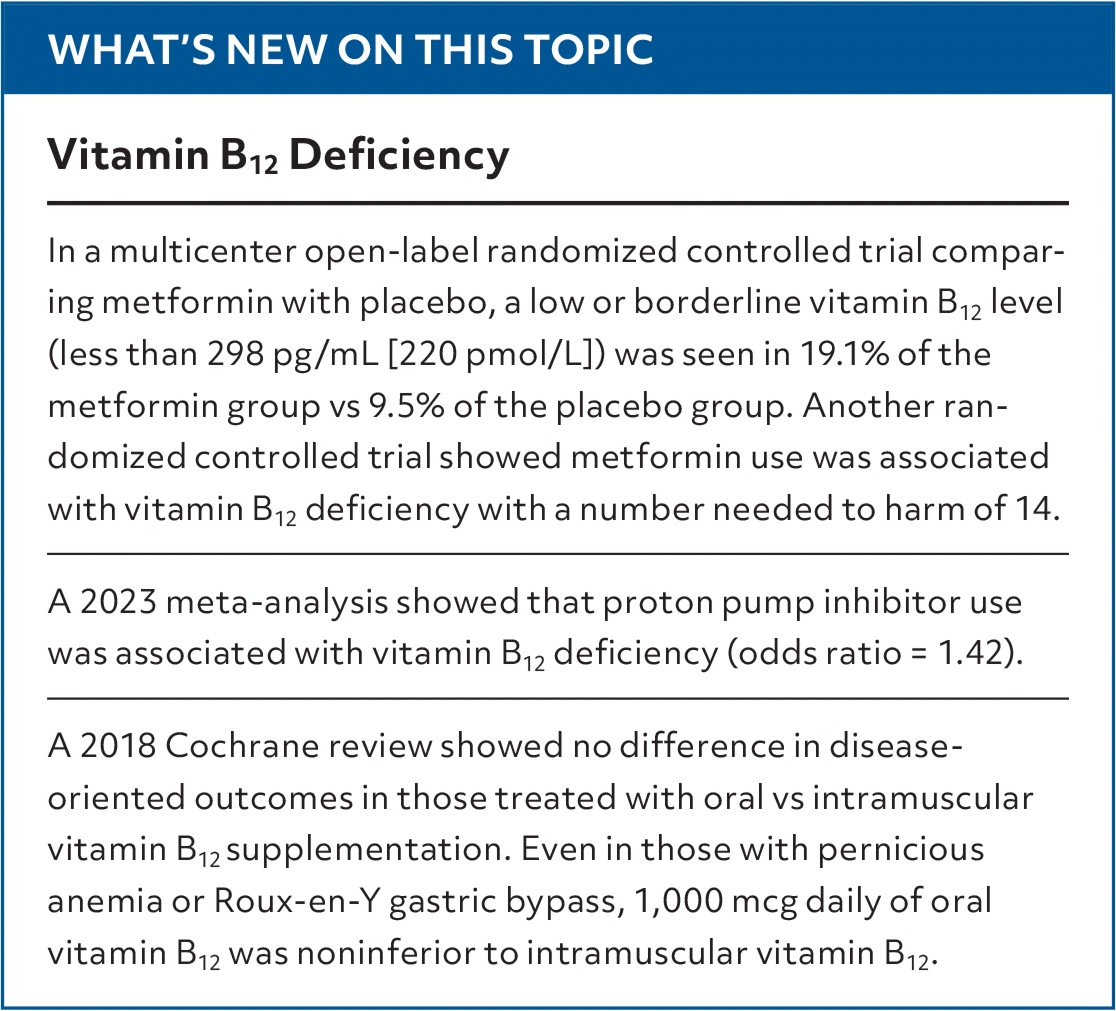
| In a multicenter open-label randomized controlled trial comparing metformin with placebo, a low or borderline vitamin B12 level (less than 298 pg/mL [220 pmol/L]) was seen in 19.1% of the metformin group vs 9.5% of the placebo group. Another randomized controlled trial showed metformin use was associated with vitamin B12 deficiency with a number needed to harm of 14. |
| A 2023 meta-analysis showed that proton pump inhibitor use was associated with vitamin B12 deficiency (odds ratio = 1.42). |
| A 2018 Cochrane review showed no difference in disease-oriented outcomes in those treated with oral vs intramuscular vitamin B12 supplementation. Even in those with pernicious anemia or Roux-en-Y gastric bypass, 1,000 mcg daily of oral vitamin B12 was noninferior to intramuscular vitamin B12. |
SORT: KEY RECOMMENDATIONS FOR PRACTICE
| Clinical recommendation | Evidence rating | Comments |
|---|---|---|
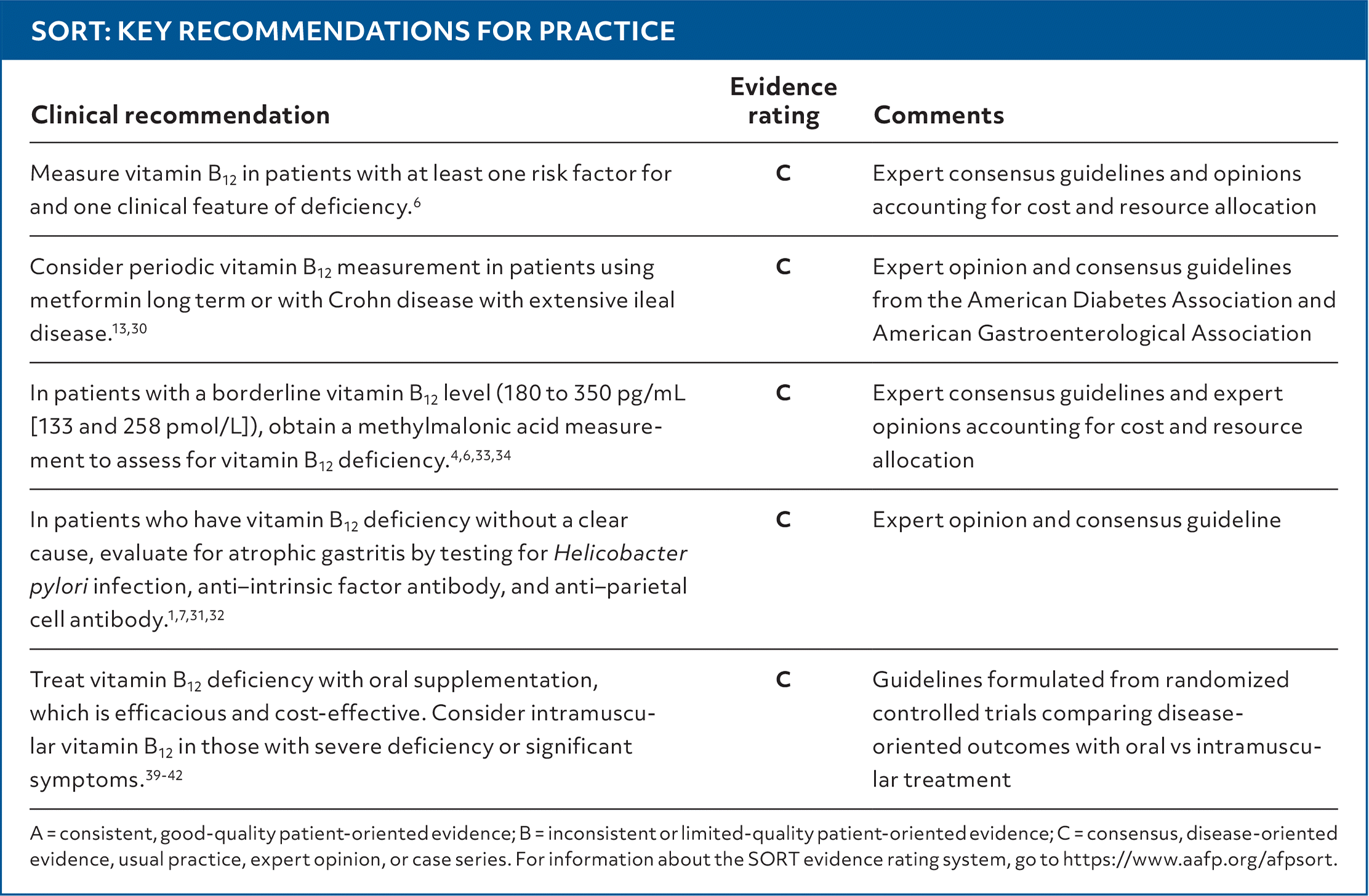
| Measure vitamin B12 in patients with at least one risk factor for and one clinical feature of deficiency.6 | C | Expert consensus guidelines and opinions accounting for cost and resource allocation |
| Consider periodic vitamin B12 measurement in patients using metformin long term or with Crohn disease with extensive ileal disease.13,30 | C | Expert opinion and consensus guidelines from the American Diabetes Association and American Gastroenterological Association |
| In patients with a borderline vitamin B12 level (180 to 350 pg/mL [133 and 258 pmol/L]), obtain a methylmalonic acid measurement to assess for vitamin B12 deficiency.4,6,33,34 | C | Expert consensus guidelines and expert opinions accounting for cost and resource allocation |
| In patients who have vitamin B12 deficiency without a clear cause, evaluate for atrophic gastritis by testing for Helicobacter pylori infection, anti–intrinsic factor antibody, and anti–parietal cell antibody.1,7,31,32 | C | Expert opinion and consensus guideline |
| Treat vitamin B12 deficiency with oral supplementation, which is efficacious and cost-effective. Consider intramuscular vitamin B12 in those with severe deficiency or significant symptoms.39–42 | C | Guidelines formulated from randomized controlled trials comparing disease-oriented outcomes with oral vs intramuscular treatment |
A = consistent, good-quality patient-oriented evidence; B = inconsistent or limited-quality patient-oriented evidence; C = consensus, disease-oriented evidence, usual practice, expert opinion, or case series. For information about the SORT evidence rating system, go to https://www.aafp.org/afpsort.
Read the full article
Get immediate access, anytime, anywhere.
Choose a single article, issue, or full-access subscription.
Earn up to 14 CME credits per issue.
