Up to 2.4 million people in the United States and 254 million people worldwide have acute or chronic hepatitis B virus infection. The virus is transmitted by blood and body fluid, and approximately two-thirds of people with a chronic infection in the United States are unaware of their diagnosis. The Centers for Disease Control and Prevention recommends screening all adults at least once with triple panel testing (measurement of hepatitis B surface antigen, antibodies to hepatitis B surface antigen, and antibodies to hepatitis B core antigen) because antiviral therapy can reduce associated morbidity and mortality. Screening is also recommended during each pregnancy to reduce the risk of vertical transmission. Nonimmune patients with higher risk of exposure should be screened periodically and, if eligible, vaccinated. Only 30% of adults in the United States are vaccinated for hepatitis B. Recommendations for routine vaccination have expanded to include all children, beginning with a birth-dose vaccine; all adults 19 to 59 years of age; and adults 60 years and older at higher risk of exposure. High rates of adult and childhood vaccination, improved diagnoses of chronic hepatitis B, and broader access to care are essential to eliminate hepatitis B in the United States.
Viral hepatitides are some of the few communicable diseases with increasing mortality; hepatitis B virus (HBV) alone caused 1.1 million deaths in 2022.1 Globally, 254 million people are infected. Regions with the highest prevalence (approximately 1 in 20 people) include Africa and the Western Pacific (as defined by the World Health Organization).2 The Centers for Disease Control and Prevention (CDC) estimates that up to 2.4 million Americans have chronic HBV; in 2022, HBV caused 13,800 new cases and 1,787 deaths.3 Approximately two-thirds of US residents with chronic HBV are unaware of their infection.4 In the United States, the strategy for HBV elimination is targeted at improving this awareness because antiviral therapy can reduce the risk of hepatocellular carcinoma, progression to cirrhosis, and HBV-related death. Part I of this article summarizes new recommendations regarding screening and prevention of HBV. Part II of this article, which appears in this issue of American Family Physician, discusses updated guidelines for diagnosis and management of HBV, including surveillance for liver cancer.
WHAT'S NEW ON THIS TOPIC
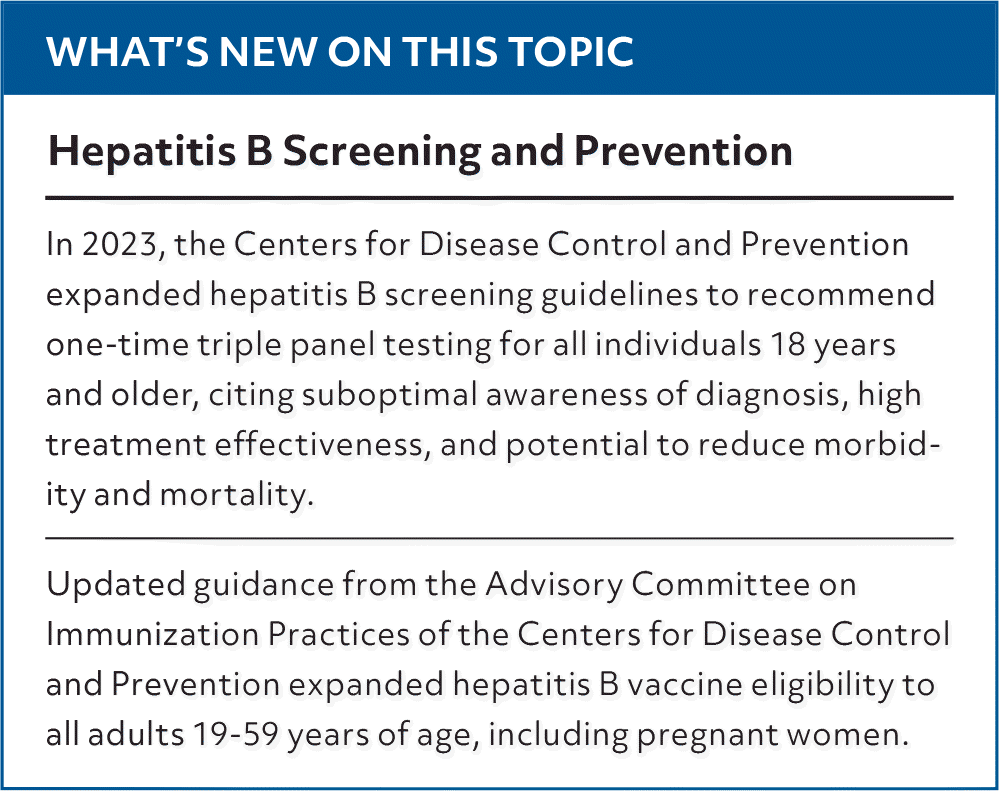
| In 2023, the Centers for Disease Control and Prevention expanded hepatitis B screening guidelines to recommend one-time triple panel testing for all individuals 18 years and older, citing suboptimal awareness of diagnosis, high treatment effectiveness, and potential to reduce morbidity and mortality. |
| Updated guidance from the Advisory Committee on Immunization Practices of the Centers for Disease Control and Prevention expanded hepatitis B vaccine eligibility to all adults 19–59 years of age, including pregnant women. |
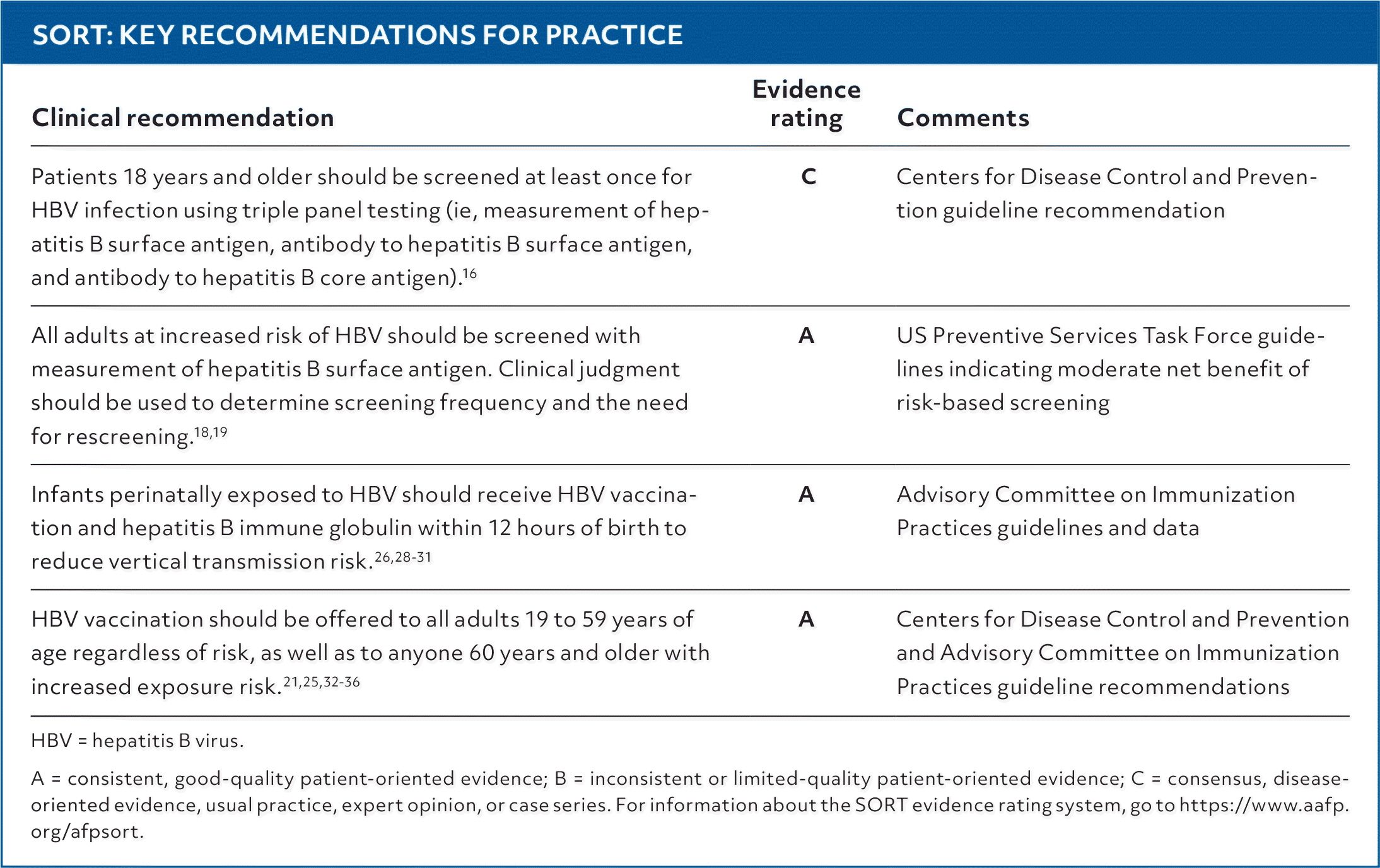
SORT: KEY RECOMMENDATIONS FOR PRACTICE
| Clinical recommendation | Evidence rating | Comments |
|---|---|---|
| Patients 18 years and older should be screened at least once for HBV infection using triple panel testing (ie, measurement of hepatitis B surface antigen, antibody to hepatitis B surface antigen, and antibody to hepatitis B core antigen).16 | C | Centers for Disease Control and Prevention guideline recommendation |
| All adults at increased risk of HBV should be screened with measurement of hepatitis B surface antigen. Clinical judgment should be used to determine screening frequency and the need for rescreening.18,19 | A | US Preventive Services Task Force guidelines indicating moderate net benefit of risk-based screening |
| Infants perinatally exposed to HBV should receive HBV vaccination and hepatitis B immune globulin within 12 hours of birth to reduce vertical transmission risk.26,28–31 | A | Advisory Committee on Immunization Practices guidelines and data |
| HBV vaccination should be offered to all adults 19 to 59 years of age regardless of risk, as well as to anyone 60 years and older with increased exposure risk.21,25,32–36 | A | Centers for Disease Control and Prevention and Advisory Committee on Immunization Practices guideline recommendations |
HBV = hepatitis B virus.
A = consistent, good-quality patient-oriented evidence; B = inconsistent or limited-quality patient-oriented evidence; C = consensus, disease-oriented evidence, usual practice, expert opinion, or case series. For information about the SORT evidence rating system, go to https://www.aafp.org/afpsort.
Read the full article
Get immediate access, anytime, anywhere.
Choose a single article, issue, or full-access subscription.
Earn up to 14 CME credits per issue.