

SCREENING FOR DEPRESSION AND SUICIDE RISK IN ADULTS: CLINICAL SUMMARY OF THE USPSTF RECOMMENDATION
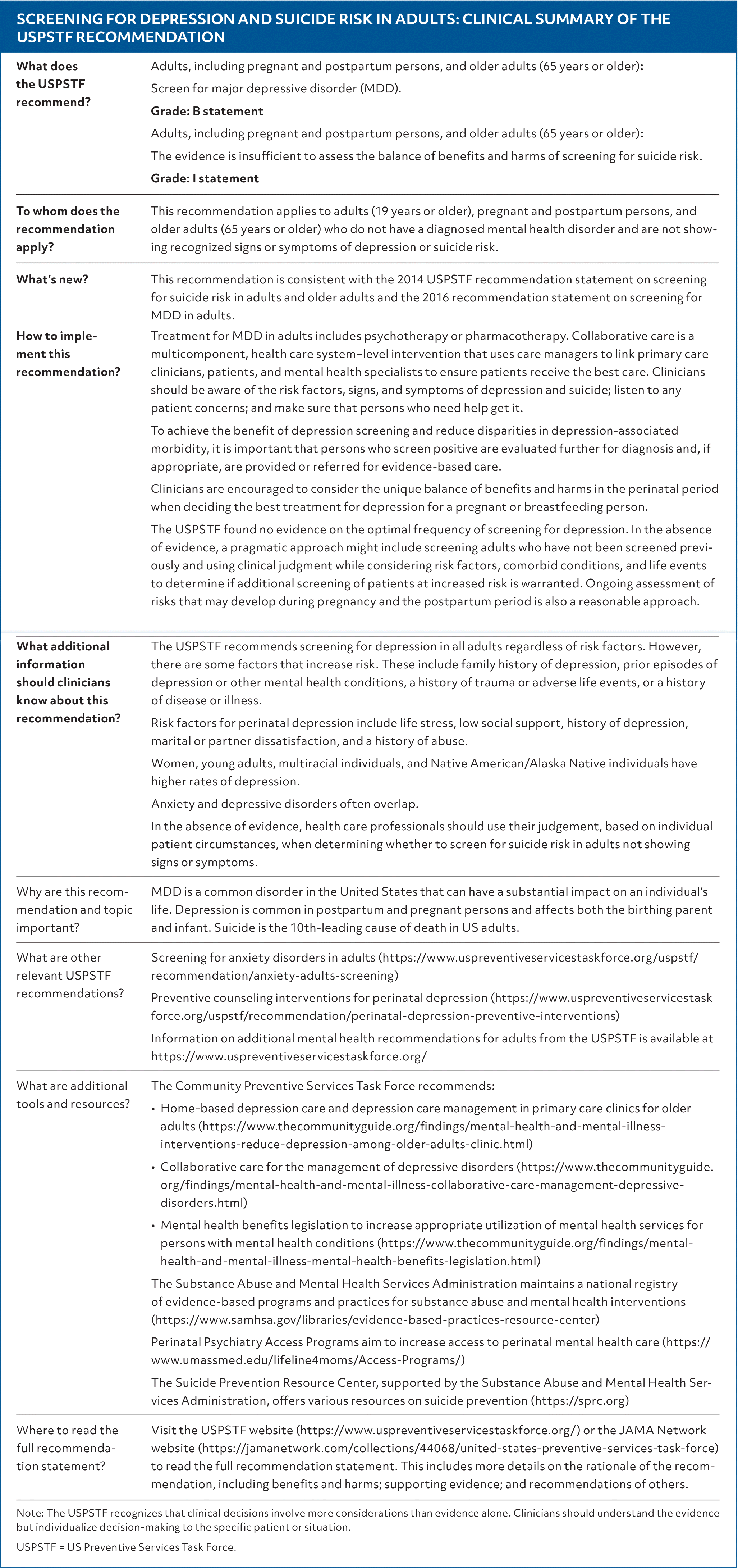
| What does the USPSTF recommend? | Adults, including pregnant and postpartum persons, and older adults (65 years or older): Screen for major depressive disorder (MDD). Grade: B statement Adults, including pregnant and postpartum persons, and older adults (65 years or older): The evidence is insufficient to assess the balance of benefits and harms of screening for suicide risk. Grade: I statement |
| To whom does the recommendation apply? | This recommendation applies to adults (19 years or older), pregnant and postpartum persons, and older adults (65 years or older) who do not have a diagnosed mental health disorder and are not showing recognized signs or symptoms of depression or suicide risk. |
| What's new? How to implement this recommendation? | This recommendation is consistent with the 2014 USPSTF recommendation statement on screening for suicide risk in adults and older adults and the 2016 recommendation statement on screening for MDD in adults. Treatment for MDD in adults includes psychotherapy or pharmacotherapy. Collaborative care is a multicomponent, health care system–level intervention that uses care managers to link primary care clinicians, patients, and mental health specialists to ensure patients receive the best care. Clinicians should be aware of the risk factors, signs, and symptoms of depression and suicide; listen to any patient concerns; and make sure that persons who need help get it. To achieve the benefit of depression screening and reduce disparities in depression-associated morbidity, it is important that persons who screen positive are evaluated further for diagnosis and, if appropriate, are provided or referred for evidence-based care. Clinicians are encouraged to consider the unique balance of benefits and harms in the perinatal period when deciding the best treatment for depression for a pregnant or breastfeeding person. The USPSTF found no evidence on the optimal frequency of screening for depression. In the absence of evidence, a pragmatic approach might include screening adults who have not been screened previously and using clinical judgment while considering risk factors, comorbid conditions, and life events to determine if additional screening of patients at increased risk is warranted. Ongoing assessment of risks that may develop during pregnancy and the postpartum period is also a reasonable approach. |
| What additional information should clinicians know about this recommendation? | The USPSTF recommends screening for depression in all adults regardless of risk factors. However, there are some factors that increase risk. These include family history of depression, prior episodes of depression or other mental health conditions, a history of trauma or adverse life events, or a history of disease or illness. Risk factors for perinatal depression include life stress, low social support, history of depression, marital or partner dissatisfaction, and a history of abuse. Women, young adults, multiracial individuals, and Native American/Alaska Native individuals have higher rates of depression. Anxiety and depressive disorders often overlap. In the absence of evidence, health care professionals should use their judgement, based on individual patient circumstances, when determining whether to screen for suicide risk in adults not showing signs or symptoms. |
| Why are this recommendation and topic important? | MDD is a common disorder in the United States that can have a substantial impact on an individual's life. Depression is common in postpartum and pregnant persons and affects both the birthing parent and infant. Suicide is the 10th-leading cause of death in US adults. |
| What are other relevant USPSTF recommendations? | Screening for anxiety disorders in adults (https://www.uspreventiveservicestaskforce.org/uspstf/recommendation/anxiety-adults-screening) Preventive counseling interventions for perinatal depression (https://www.uspreventiveservicestaskforce.org/uspstf/recommendation/perinatal-depression-preventive-interventions) Information on additional mental health recommendations for adults from the USPSTF is available at https://www.uspreventiveservicestaskforce.org/ |
| What are additional tools and resources? | The Community Preventive Services Task Force recommends:
The Substance Abuse and Mental Health Services Administration maintains a national registry of evidence-based programs and practices for substance abuse and mental health interventions (https://www.samhsa.gov/libraries/evidence-based-practices-resource-center) Perinatal Psychiatry Access Programs aim to increase access to perinatal mental health care (https://www.umassmed.edu/lifeline4moms/Access-Programs/) The Suicide Prevention Resource Center, supported by the Substance Abuse and Mental Health Services Administration, offers various resources on suicide prevention (https://sprc.org) |
| Where to read the full recommendation statement? | Visit the USPSTF website (https://www.uspreventiveservicestaskforce.org/) or the JAMA Network website (https://jamanetwork.com/collections/44068/united-states-preventive-services-task-force) to read the full recommendation statement. This includes more details on the rationale of the recommendation, including benefits and harms; supporting evidence; and recommendations of others. |
Note: The USPSTF recognizes that clinical decisions involve more considerations than evidence alone. Clinicians should understand the evidence but individualize decision-making to the specific patient or situation.
USPSTF = US Preventive Services Task Force.
Read the full article
Get immediate access, anytime, anywhere.
Choose a single article, issue, or full-access subscription.
Earn up to 14 CME credits per issue.
