
"Vibe Check #3: Is Family Medicine Right For Me?"
Get an inside look at family medicine from physicians who’ve been where you are—and discover if it’s the right specialty for you.
Part of the Vibe Check: Is Family Medicine Right for Me? video series, presented by the AAFP in partnership with the Association of American Medical Colleges (AAMC), this session features inspiring family physicians who share their career journeys, the versatility of family medicine and insights into choosing the right medical specialty.
What you'll learn:
How mentorship, personal interests and career exploration can lead medical students to choose family medicine.
The wide scope of family medicine—from hospital care and obstetrics to outpatient practice, teaching and advocacy.
How family physicians can shape flexible careers that evolve over time and incorporate passions like lifestyle medicine and public health.
Practical advice for medical students navigating specialty decisions using the AAMC’s Careers in Medicine framework.
Who should watch?
Medical students exploring specialty options
Residents considering fellowships or subspecialties
Anyone passionate about holistic, patient-centered care
Watch the recording above or read the full transcript below to get inspired by the real-life stories of family physicians shaping the future of healthcare!
The panelists
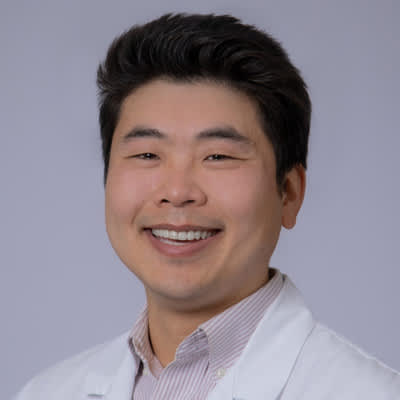
Bright Zhou, MD (Host)
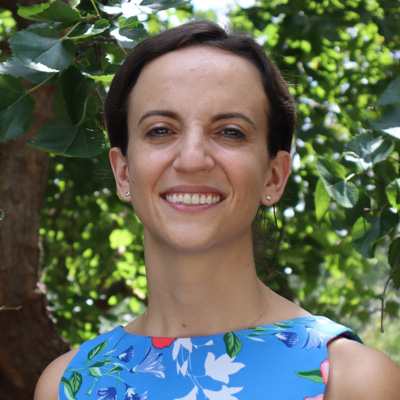
Victoria L. Boggiano, MD, MPH, DipABLM, FAAFP
How medical students choose a specialty: The Careers in Medicine framework
Bright Zhou, MD (host)
Hi everyone. My name is Dr. Bright Zhou, and welcome to "Vibe Check: Is Family Medicine Right for Me?". Brought to you by the American Academy of Family Physicians, in partnership with the Association of American Medical Colleges.
Choosing a medical specialty is one of the most significant decisions we all make in medical school, and it will change your wellness and your satisfaction throughout your entire career. That's why the AAMC created Careers in Medicine, a comprehensive career planning guide that's designed to help students navigate this process with confidence. Careers in Medicine provides evidence-based assessments and structured guidelines to help you make informed career decisions that align with your own evolving skills, values and interests. There's four phases, and we're going to dive into them now. Research shows that people are more likely to feel satisfied in their professional lives when their career aligns with who they are, things like their interests, their values, their personality and their skills.
Understanding your interests, skills and values in medicine
Bright Zhou, MD
That's why Phase One: Understanding Yourself is where we begin when deciding on our specialties in the field of medicine, these personal qualities often show up in the different kinds of practice settings you prefer, the kind of patients you work with, the kind of medical conditions you treat, even the kinds of colleagues you like working with, and the kind of tasks that bring you joy. You can use the Career in Medicine self-assessment tools to create a strong foundation for identifying what you truly want in your medical career or not, and ultimately decide which specialties or specialties are the best fit for you.
How to research and compare medical specialties
Bright Zhou, MD
Phase two guides you through how to research and evaluate all of the over 200 specialties that exist out there and how to provide you with detailed profiles for what each specialty looks like. These profiles highlight all the essentials: What does the work look like? What is the training required? Salary expectations, competitiveness and more. So you can start to understand what even exists out there in the world of medicine, you'll find guidance on networking, informational interviews, strategies for preparing yourself with these meaningful experiences when you're on rotations.
These tools are designed for you to connect with what you're learning about yourself in phase one, with what you're learning about each specialty, so that you can explore your options more confidently and intentionally.
Choosing a specialty and preparing for residency
Bright Zhou, MD
Moving forward to Phase Three: Choosing Your Specialty, you're going to shift from this broad exploration of everything out there to making a more informed decision about what's right for you. This phase gives you tools and strategies to evaluate your options more intentionally, including guidance on how to weigh what matters most to you, how to compare specialties and how to make that decision with confidence. These tools together will help you bring everything that you've learned about the specialties and about yourself into a clear, well-supported decision about your future path. That sounds good to me.
Now phase four, once you've made that decision, is about, how do you actually prepare for residency? What are all the resources out there for your specialty, or specialties of choice to help you confidently navigate the match process or the residency process? This phase walks you through how to research programs effectively and how to build out your application strategy wherever you are in your journey. Careers in Medicine is your trusted guide to explore intentionally, to track your progress and to stay connected to your career goals. Careers in medicine is free for us, MD and DO students and to get started, visit careersinmedicine.aamc.org.
Meet Dr. Victoria Boggiano: A family medicine physician in academic medicine
Bright Zhou, MD
Now that we've got the framework for how to choose the best specialty for y'all, let's dive into a little bit of why we're here, and get the tea from these family medicine physicians. Today, we're joined by the fabulous Dr. Victoria L. Boggiano, a family physician whose career blends clinical care, public health and lifestyle medicine with a passion for academia. Victoria, thank you so much for joining us.
Victoria L. Boggiano MD, MPH, DipABLM, FAAFP
Thank you so much for having me, Bright. It's great to see you. Our paths have crossed in a lot of different ways, but us getting to have this conversation is so special.
Bright Zhou, MD
It is true. Victoria and I have been friends since medical school. I think let's just jump straight into it to talking about starting from the very early parts of your career. When did you know that family medicine was the career for you? What drew you to this specialty?
What drew Dr. Boggiano to family medicine
Victoria L. Boggiano MD, MPH, DipABLM, FAAFP
Yeah, well, I think, first of all, like a lot of us, I had a lot of people telling me before I even got interested in medicine not to do medical school. My parents are both physicians, and I feel like I grew up in a household that was like, "Do anything else, be anything else." Medicine is messy and complicated, and so in undergrad, I was perpetually confused about what I was going to do. I was a biology and government double major, really not picking a lane. And then I lived abroad for a few years, doing some health policy work and volunteer work, and found my way to medicine, inevitably, as we do. And the year before medical school, I worked at a federally qualified health center in Washington, D.C., and I worked with some amazing primary care providers in that experience. I just was so inspired by the work that they did every single day, working in this healthcare desert, showing up for their patients. So that was in the back of my mind when I went to medical school.
Victoria L. Boggiano MD, MPH, DipABLM, FAAFP
And Bright, you and I share our medical school. So when I went to Stanford -- month one new experience. Didn't really know where I was going to land. I linked up with a fabulous mentor who really is a family doc at Stanford, and she brought me in on a research paper about patient-centered care, and that was really the start of my family medicine journey. So from then on, I found my place, I found my home, I found my people. All throughout medical school, I had little bits where I was like, "Maybe I'll be an OBGYN, or maybe I'll be a pediatrician, or maybe I'll be an internal medicine doc, working in the hospital every day." But it always landed back in family med. And I think that's so true to the family medicine experience: that we love so many things, and we are excited by so many things, and then it always brings us back to family med.
The role of mentorship in choosing a medical specialty
Bright Zhou, MD
That is such a relatable but also specific story on how to get into family medicine. And definitely I relate to loving every single specialty that you're on. And that's something that I think folks who are listening or watching can hopefully relate to. If they're finding that everything is appealing to them or most things are appealing to them in medicine, maybe think about family medicine. And I'd love to touch a little bit more on the power of that mentor that you brought up, which I suspect is also a mutual mentor of mine, if you'd love to give a shout out to mentorship and thinking about your current job, where you're doing academia and able to provide that mentorship to others. Can we talk a little bit more about mentorship and family medicine?
Victoria L. Boggiano MD, MPH, DipABLM, FAAFP
Yeah, you know, I think mentorship is so important. So our mutual mentor, Dr, Erica Schillinger, in case she ever watches this, who is such an inspiration for me to this day and will always be just one of the focal points of me choosing family medicine, is and embodies all the things that I love about family medicine. She's patient centered. She cares about clinical care. She does really important research. She's always trying to move the needle in terms of, how do we engage patients and families in the work that we do?
Victoria L. Boggiano MD, MPH, DipABLM, FAAFP 7:11
And so from day one of me linking up with her, she helped shepherd me throughout my career. She encouraged me to apply for the Pisacano Scholars Program, which I applied for. And being a Pisacano has been a really important part of my family medicine journey. She encouraged me to apply broadly for residency, and that's how I ultimately found the University of North Carolina Chapel Hill, where I came to residency, and where I work now. And now that I'm at UNC Chapel Hill, I just try as much to be a mentor like she mentored me. Meeting students where they're at, being available, coaching and guiding them as their thoughts and interests change and evolve. I think that's the best thing we can do for our trainees.
Bright Zhou, MD
I think it's so special. You don't see many podcasts or interviews where two people share such love for a third person who's not on this podcast, so we got to get her in the next time. And I totally agree. One thing that has really stuck with me in my work and working with students is something that Dr. Schillinger said was, "I'm not in this job to convince everyone to do be a family physician. I'm in this job to make sure that the right people don't miss out on family medicine," and I think that is such a special and unique way to think about our specialty. It really is centered around people. And I know that earlier, we had talked about the Careers in Medicine and how it's really important to look at all the different things that distinguish a specialty. But I think family medicine, maybe we're biased. The people really make family medicine, what it is.
Victoria L. Boggiano MD, MPH, DipABLM, FAAFP
Absolutely, absolutely. I like to say that one of the reasons I chose family medicine is to stay a pluripotent stem cell, so to speak, in terms of not having to pick a lane. You know, college, government and biology double major. I really tried to stay a little bit more broad. And I find that in family medicine, and I think that we as a specialty, really encourage people to stay pluripotent as much as they want, and however they define that. Be that they practice broad spectrum family medicine, inpatient labor and delivery clinic, They practice very broad outpatient family medicine doing procedures, GYN procedures, etc. I think that anybody can find their home and their place in our specialty and find what really drives them.
The broad scope of family medicine practice
Bright Zhou, MD
Yes, Victoria, can you share a little bit about your scope right now, just give an example to our listeners about what what can be possible in family medicine?
Victoria L. Boggiano MD, MPH, DipABLM, FAAFP
Yeah, I feel really, really, really lucky that I get to do everything that I love and that gets to grow and evolve as my career grows and evolves. I see patients in the hospital. During my residency, our inpatient service moved from the hospital with a closed ICU to a hospital with an open ICU. So I now help to manage patients in an open ICU with the help of a critical care intensivist, who are all geniuses. I work days and nights on that service. I get to deliver babies on our labor and delivery service, which we combine with our postpartum newborn service and our inpatient pediatric service. So that is also very, very, very fun and very busy. And I get to still do circumcisions on that service and other GYN procedures as they come up, such as explanons, post partum IUDs, things like that. And then I have an amazing panel of patients that I've been taking care of, largely since intern year, which is now eight years ago.
Victoria L. Boggiano MD, MPH, DipABLM, FAAFP
And I get to do gender affirming care, opioid use disorder management, diabetes, hypertension – all the things. And then I do colposcopies, too, which I enjoy. And then outside of my clinical work, I get to teach a few classes at the School of Medicine, and I also mentor our residents and do some teaching there. And I also do some advocacy work on a state level with our North Carolina Academy of Family Physicians chapter, so no two weeks are the same. I love my job. I love my spouse for really keeping things afloat at home, because some weeks are very chaotic and busy, but that's how I want it, and that's how I love it.
Bright Zhou, MD
That's amazing. And I want to just highlight what you said about you get to do everything that you love, and in your case, it's everything. You love everything. And that's amazing. And I love that you have the community and the departmental and the patient and the resident support to do so. And I love that about your practice and and that's something that I think I want to make sure that everyone understands. All of the people out there who are talking about giving up one or giving up the other. We had mentioned earlier about loving all of our rotations. Family medicine is a way that you can still keep doing everything that you love. And I really want to emphasize, I think for those of us who are out there thinking, "Wow, that's a lot," or maybe, "That's more than what I want," family medicine totally allows you to do all the things that you love in a more focused way.
Lifestyle medicine and academic career opportunities
Bright Zhou, MD
Amen. Amen. I love that so much. And one of the things that's interesting, as you mentioned, is the full expansive scope that you practice in. And one of the interests that I would love to hear more from you about, which is lifestyle medicine, is as you yourself, are well-established in this career and well-established in your scope, finding different things and new career changes – you are an expert at that. And so can you tell us a little bit about what lifestyle medicine is, first, for those of us who don't know, and also how that offers you that career censoring that you were describing.
Victoria L. Boggiano MD, MPH, DipABLM, FAAFP
Absolutely. I would say I'm very good at adding things on to my career. I haven't yet taken things away, but I know eventually I will have to do that. But yes, lifestyle medicine is an arena of medicine that I found when I started to become interested in it in my fellowship after residency. I did a career development fellowship at UNC and learned about lifestyle medicine as a discipline that is interdisciplinary, which really speaks to me, because when I go to the lifestyle medicine conferences or engage with folks in lifestyle medicine, it is every single type of provider all learning together to try to provide the best holistic care for our patients.
Victoria L. Boggiano MD, MPH, DipABLM, FAAFP
And so I was able to get certified in lifestyle medicine, so I'm double boarded in family medicine and lifestyle medicine, and we are in our second cohort of a lifestyle medicine group visit that we're doing at my clinic, which I think is the beginning of a lot of exciting opportunities for lifestyle medicine at UNC for me and my colleagues, for our patients.
Public health, advocacy and advice for future family physicians
Bright Zhou, MD
Amen. And we are out this box with you. I think there's so much in medicine, so much in family medicine, that all of the different careers offer insight into and so that's one of the things I'm so excited about this series, is getting this one-on-one, in-depth time period to talk about all the different things. And as we near the end of our interview, I do want to hear a little bit more of the public health that you had mentioned — your government background. How is the public health, as we expand out, where do you find that in your day-to-day work, or even your yearly work?
Victoria L. Boggiano MD, MPH, DipABLM, FAAFP
I think that comes a lot from being able to tag on to what other colleagues are doing. So colleagues who are involved in the North Carolina Medical Society bring me on to things that they're doing. I work with our family medicine interest group, so we do more and more out in the community with a diaper bank in Hillsborough, North Carolina that we spend a lot of time volunteering at. We're also working on trying to bring a curriculum into the public school system that we learned about at the AAFP FUTURE conference from another FMIG.
Victoria L. Boggiano MD, MPH, DipABLM, FAAFP
That's such a good question. I would say that "no" often means "not yet." There are many things that I have applied for multiple times in order to be able to achieve them. There are many times that I've heard "no," and it felt like that was the end of the world or the end of that thing, and it just meant a pivot or a reframe. So my advice for anybody watching this who is earlier on and might be hearing some "no's" is that it often just means not yet. So don't let that discourage you from really trying to reach your goals.
Closing remarks and resources for medical students
Bright Zhou, MD
That is amazing. Wow, "no" means "not yet." I love that. I love that so much. I'm going to apply that in my life as well.
Thank you so, so much, Victoria. I really appreciate your time tonight talking to all of our future students and future family physician colleagues, hopefully. I want to encourage all the students who are watching to explore the AAMC's Careers in Medicine resource guide, and also to join AAFP, which is free to all of our students. This has been Dr. Bright Zhou and Dr. Victoria Boggiano. Thank you for joining us. For "Vibe Check: Is Family Medicine Right for Me?", hopefully you found your right answer. We'll see you later. Bye!