
How to find the right mentor in medicine and make it last
- On this page
- Why mentoring matters
- Identifying mentors
- Building the relationship
- Special considerations
- Where to find mentors
- Tips for success
Mentorship can guide your path in family medicine—learn how to find and grow the right connection.
Mentorship plays a key role in your journey through medical school, residency and beyond. Whether you're exploring family medicine or already committed to the specialty, having the right mentor can offer perspective, guidance and support at every step. Here’s how to find—and grow—a strong mentoring relationship in medicine.
Why mentoring in medicine matters
Mentorship isn’t just about professional networking—it’s about forming meaningful relationships that shape your development as a physician.
How to identify the right mentor MD
Not every mentor will be the right fit—and that’s okay. Focus on finding someone whose values, interests and experiences align with your goals.
Characteristics of a great mentor MD
Supportive and accessible: A good mentor is approachable, available and invested in your growth.
Experienced but relatable: They’ve been where you are and can help you navigate medical school or early practice.
Open and honest: Look for someone who will share real insights—not just the highlight reel.
Aligned with your values: Especially in family medicine, mentors who value whole-person care and community impact can model the kind of physician you want to become.
Questions to ask a potential mentor
What drew you to family medicine?
What challenges did you face in training, and how did you overcome them?
How do you balance clinical care with other interests like teaching, advocacy or leadership?
What would you have done differently in med school or residency?
Steps to building a strong mentor-mentee relationship
Once you’ve identified a potential mentor, take the initiative to build a lasting connection.
Be proactive: Don’t wait for mentors to find you. Reach out respectfully and clearly.
Clarify your goals: Share what you hope to gain from the relationship—career advice, feedback, connections.
Stay engaged: Schedule regular check-ins, ask thoughtful questions and follow up on advice or resources they share.
Give back: Mentorship is a two-way street. Be respectful of your mentor’s time and look for ways to contribute.
Mentoring in medicine and science: Special considerations
Not all mentorship experiences are the same. It’s important to recognize the unique perspectives and challenges different students face.
Mentorship for underrepresented groups in medicine
Students from historically underrepresented backgrounds often face additional barriers in medicine. Culturally responsive mentorship—especially from those who share similar lived experiences—can provide critical support, validation and advocacy. Many organizations are working to expand access to inclusive mentorship networks.
Where to find med mentors and mentor doctors
Great mentors can be found in many settings—you just need to know where to look.
Leveraging AAFP and medical societies
AAFP FUTURE (formerly National Conference): Connect with physicians, residents and peers who share your interests.
Family Medicine Interest Groups (FMIGs): Medical school FMIGs often pair students with local mentors and host networking events.
School-based mentorship programs: Ask your department or student affairs office about structured mentoring opportunities.
Pursue leadership opportunities: Joining committees or serving in student leadership roles can help you build relationships with potential mentors and expand your professional network.
Family physicians share how their mentors helped shape their career
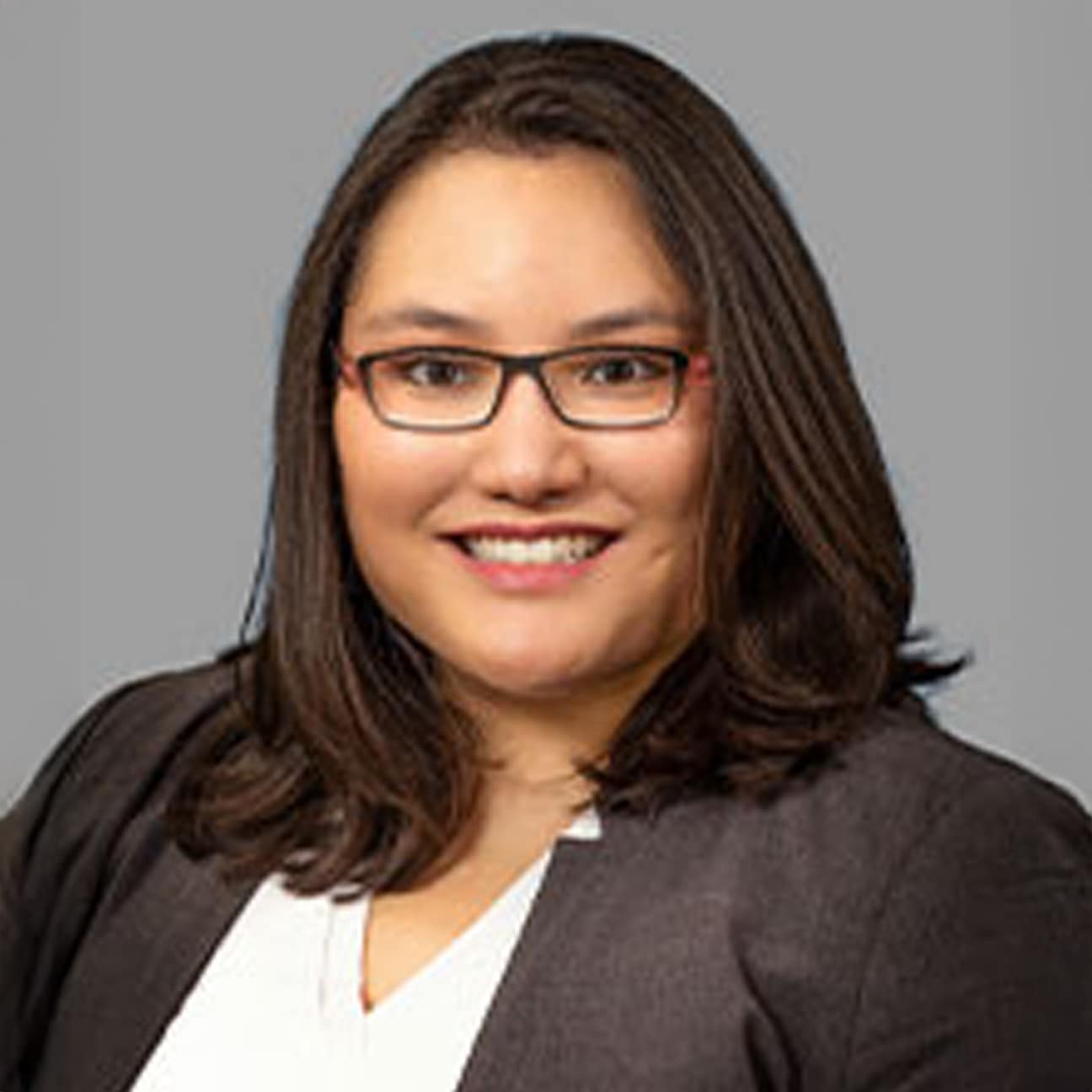
Lilly Varner, MD (mentee)
“I learned more during those four weeks with her than I had during any other rotation. Learning to follow her example taught me to keep asking, ‘What’s next?’”
Read more
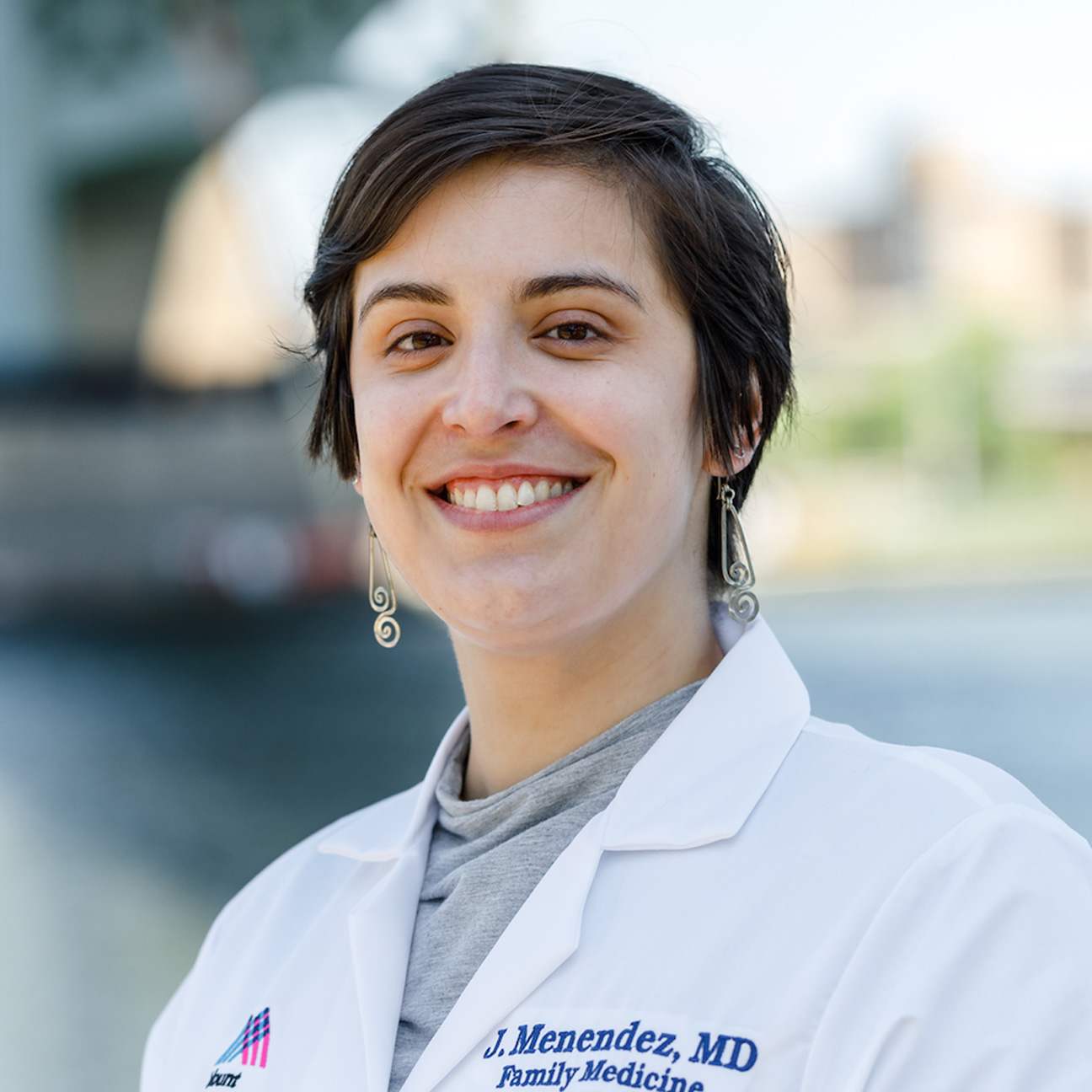
Jiana Menendez, MD, MPH, FAAFP (mentee)
“She told me about her career and how she integrated reproductive health into family medicine. It really made a big impression on me. I ended up training with her my whole career.”
Read more

Tamara A. Huson, MD, FAAFP (mentee)
“When I'm faced with a medical quandary, an ethical dilemma, or just a day when I feel more human than doctor, I hear his voice. I hear him telling me to take a deep, cleansing breath at the exam door, enter each patient room anew, and give it my all.”
Read more
Tips for long-term success with your mentor
Check in regularly: Don’t let the relationship fade—schedule ongoing conversations as your needs evolve.
Celebrate progress: Keep your mentor in the loop about your successes and milestones.
Stay open to new mentors: As your goals shift, you may benefit from additional or different mentors along the way.
Be a mentor yourself: As you gain experience, pay it forward by supporting those coming up behind you.
Mentorship is one of the most powerful tools for building your future in family medicine. Whether you're looking for clinical guidance, research opportunities or simply someone to talk to, the right mentor can make all the difference.