
Family medicine events and conferences for medical students

- On this page
- Why family medicine conferences matter
- AAFP conferences and events
- FUTURE (formerly National Conference)
- FMX/COD
- Leadership and advocacy
- Scholarships and funding
- Networking
- Other organizations' meetings
Discover family medicine conferences that help medical students explore careers, connect and lead.
Family medicine conferences and events offer medical students valuable opportunities to explore the specialty, build professional connections and develop leadership and advocacy skills. Whether you’re early in medical school or preparing for residency, AAFP-sponsored meetings and family medicine events can help you gain hands-on experience while you learn more about a rewarding career in family medicine from leading experts in the field. Many events presented by AAFP or other organizations offer scholarships and feature residency fairs, as noted below.
Why family medicine conferences matter for medical students
Attending family medicine conferences allows medical students to learn beyond the classroom and clinical setting. These events provide exposure to the full scope of family medicine, from patient care and population health to health equity and policy advocacy.
Conferences also help students:
Explore career paths within family medicine
Gain mentorship from physicians and residents
Understand how family medicine impacts communities and healthcare systems
For many students, conferences are a turning point in deciding to pursue family medicine.
AAFP conferences & events
AAFP hosts and supports conferences throughout the year that welcome and prioritize medical student participation. These events range from national conferences to leadership and advocacy-focused meetings.
FUTURE (formerly National Conference)

Networking opportunities abound at this student-centered event in Kansas City, Missouri. Lasting three days, FUTURE features workshops on clinical skills, leadership development and career planning. Scholarships are available.
Why you should attend:
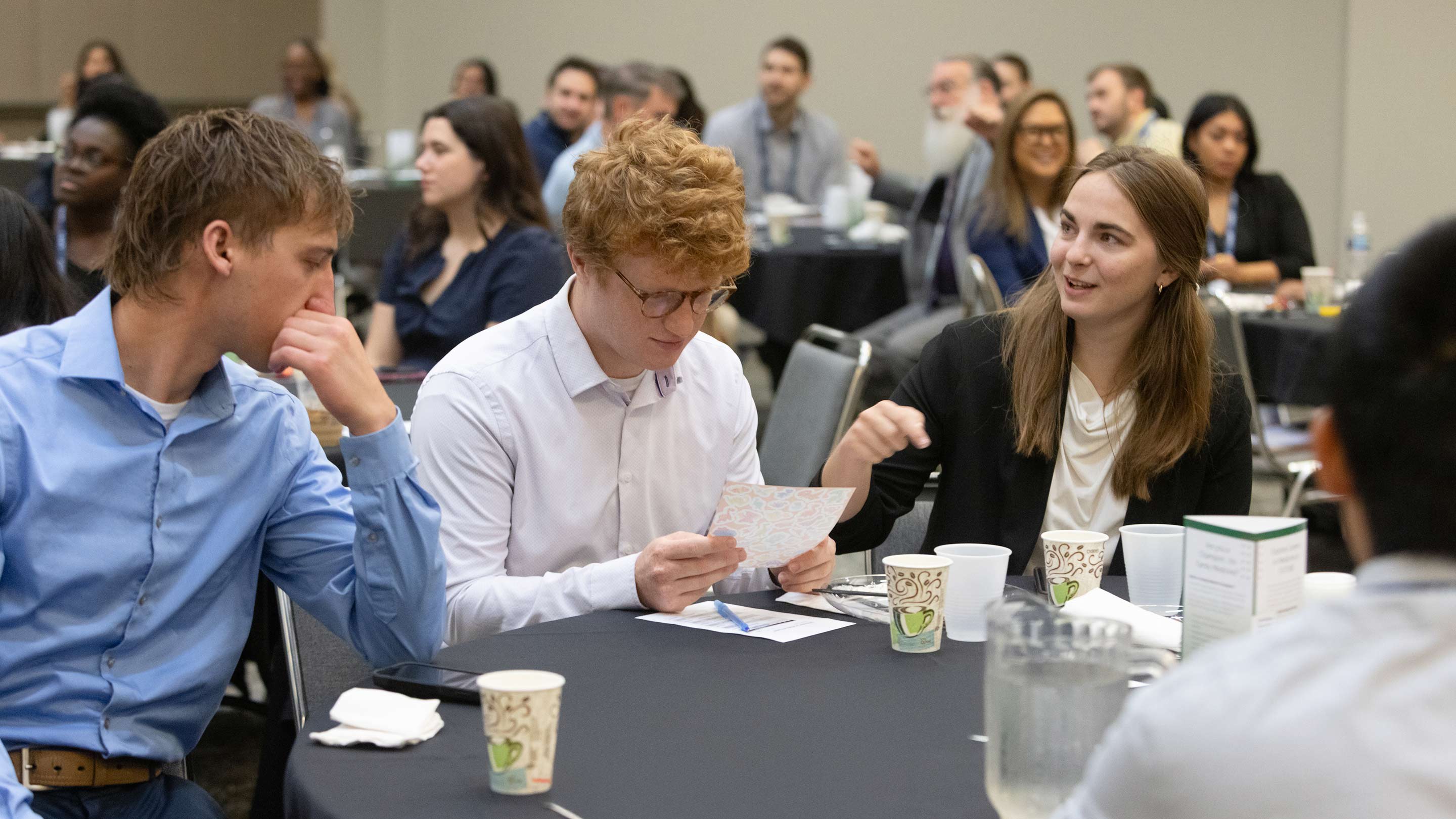
Learn in 40+ workshops
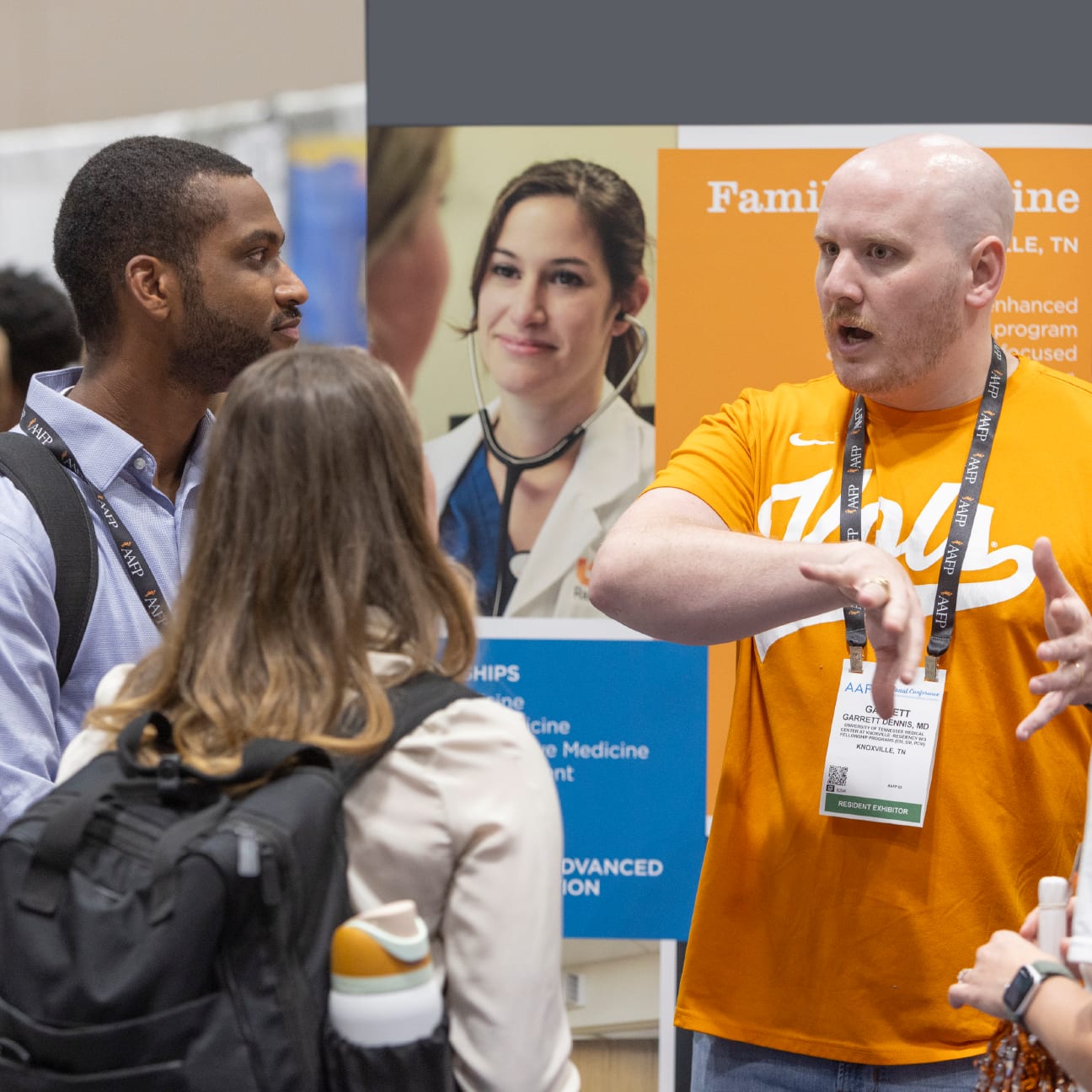
Meet residency leaders
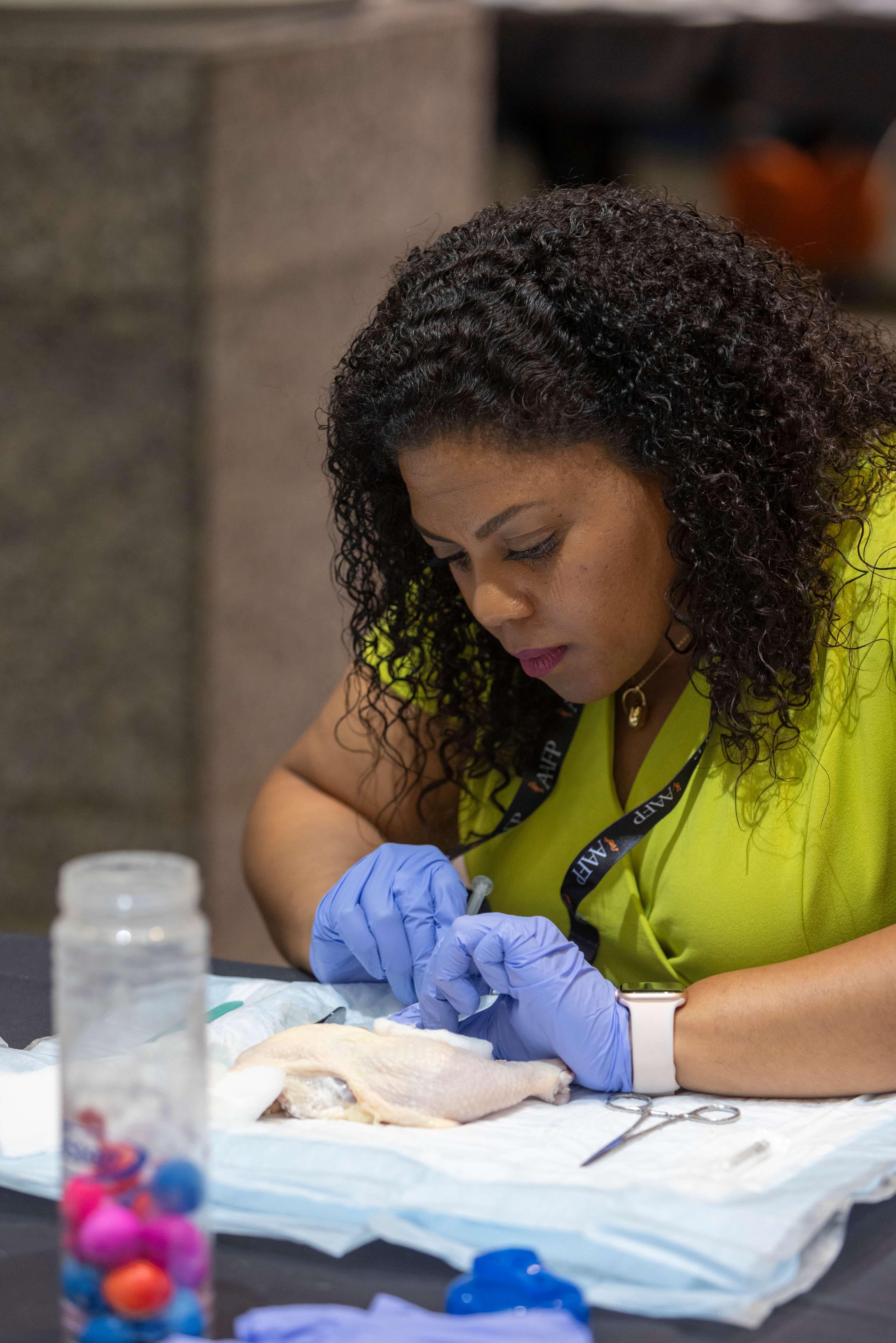
Hands-on procedures labs
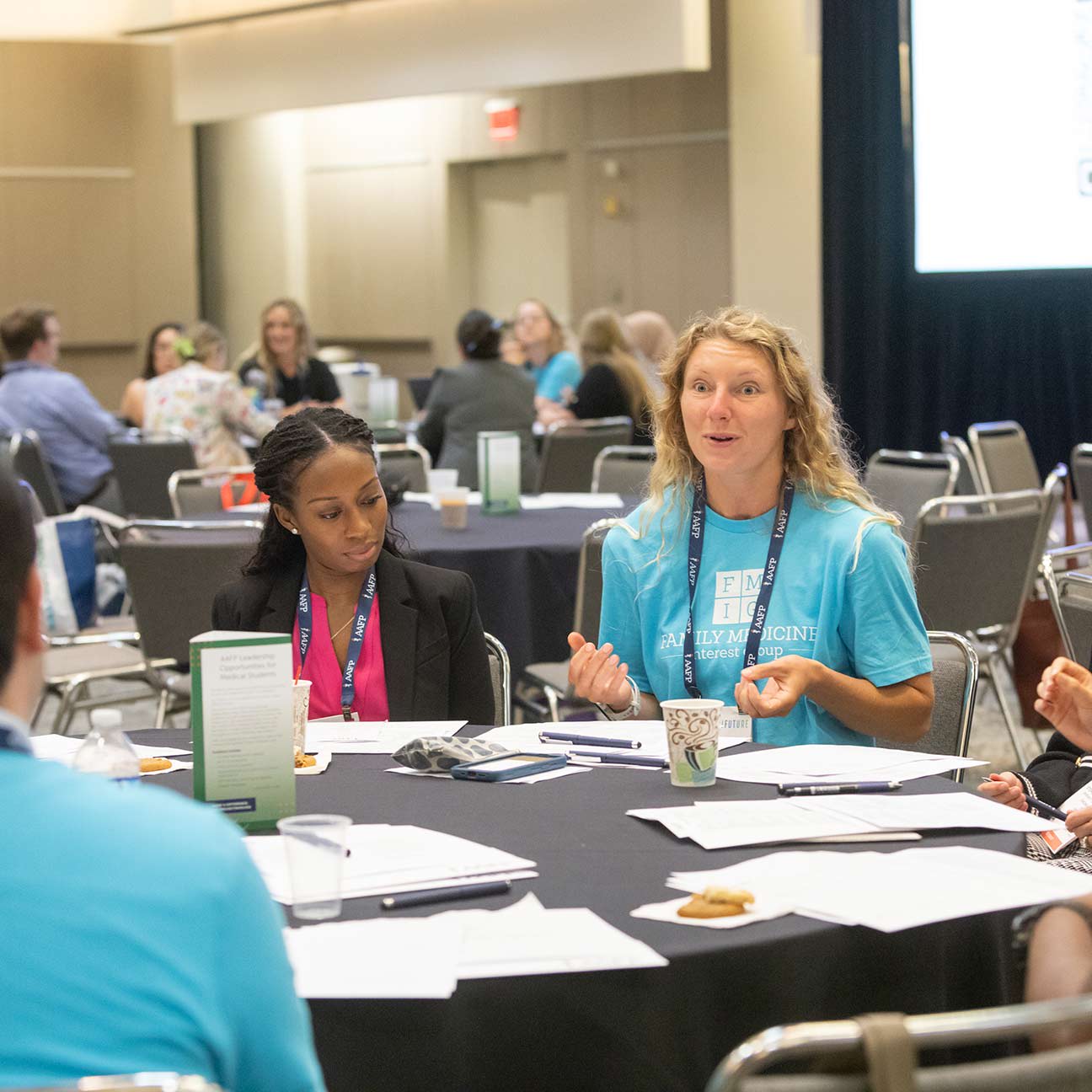
Lead and learn with FMIGs
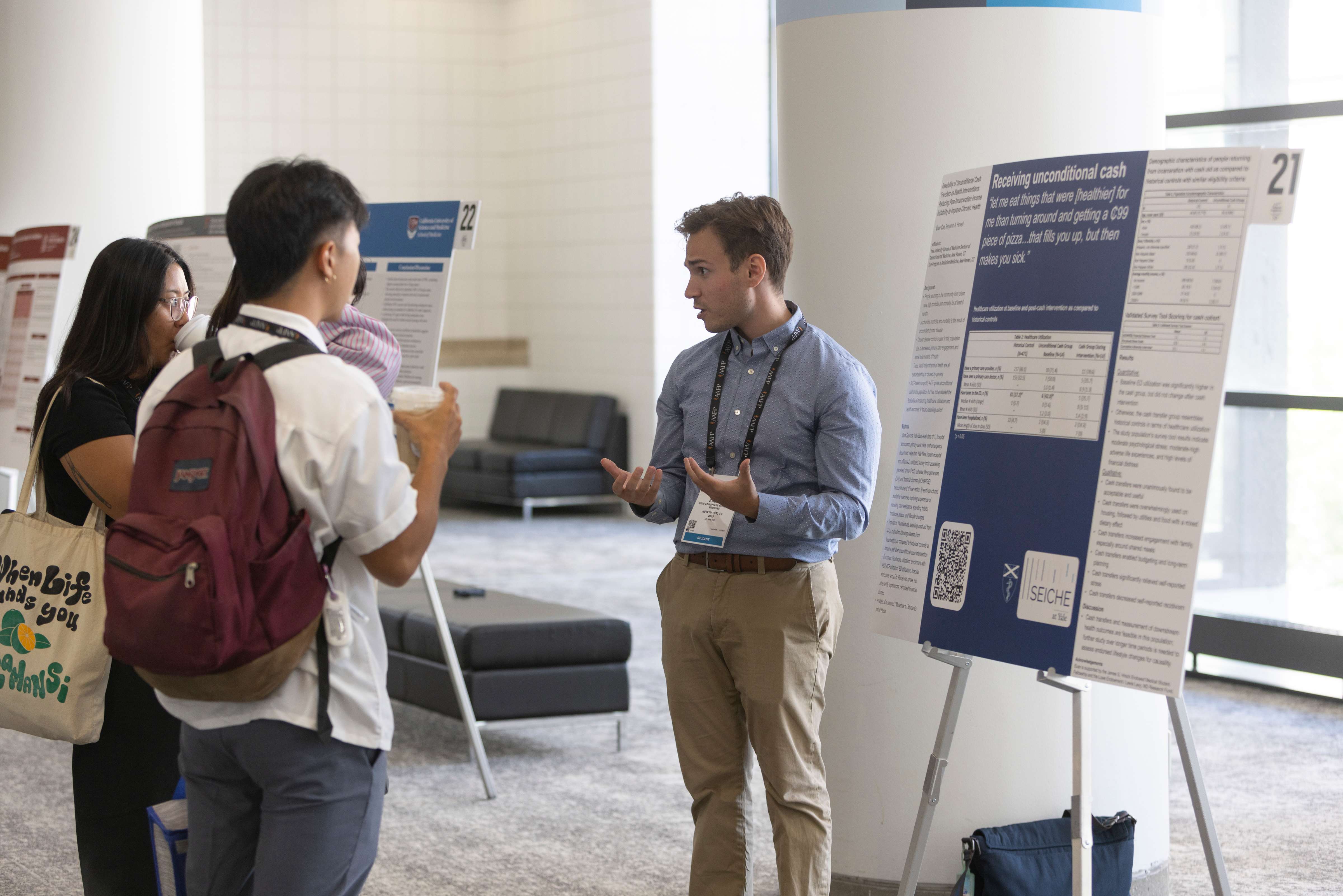
Showcase your work
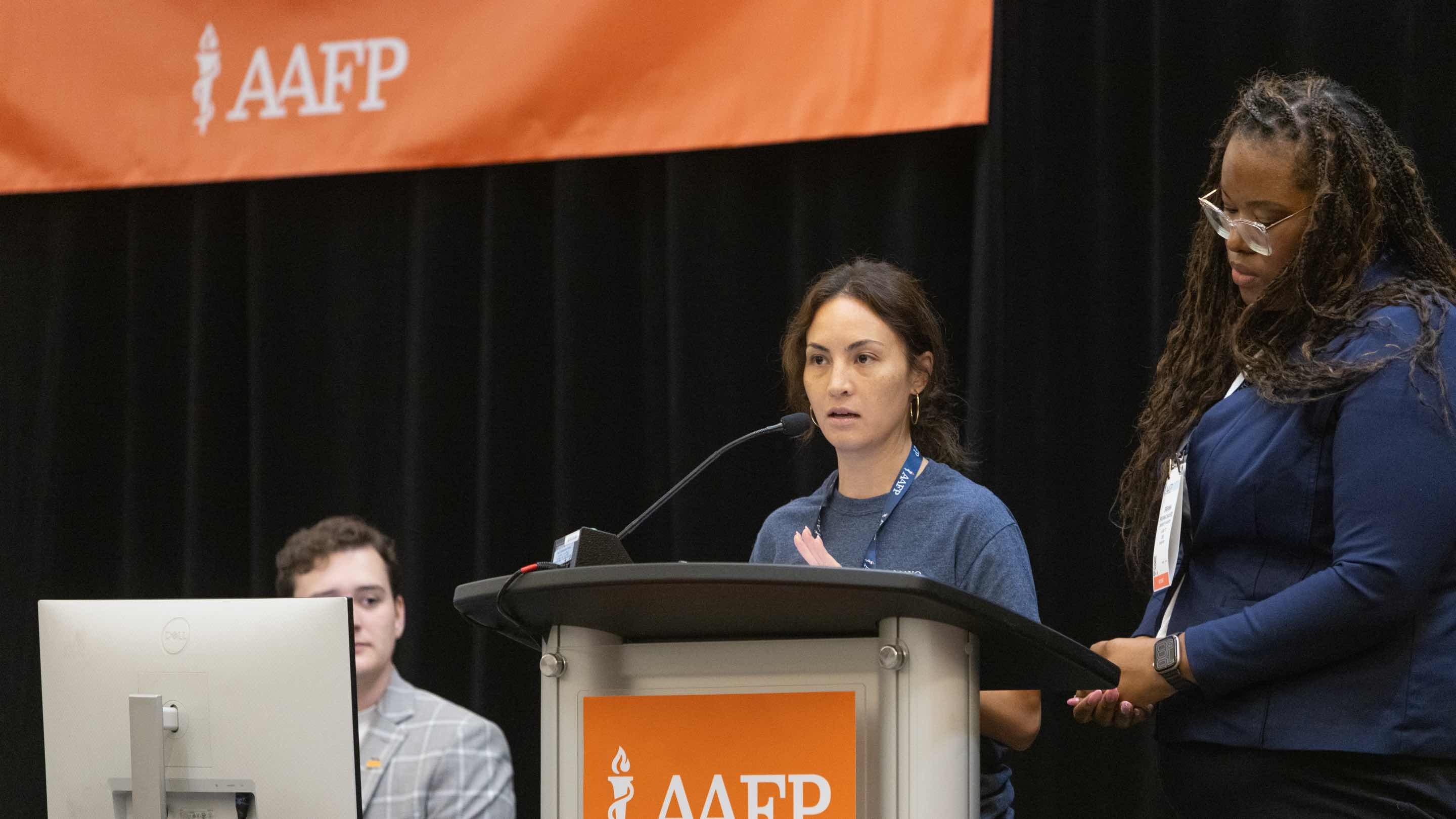
Help shape the specialty

Why you should attend:
- Experience the full scope of family medicine alongside practicing physicians at FMX—designed for future and current family docs alike.
- Get four action-packed days of clinical education, networking, and inspiration, happening every fall after the AAFP Congress of Delegates.
- Hosted in a new major city each year—if FMX comes near your med school, it’s a must-attend opportunity!
- Hear from incredible speakers and connect with passionate family physicians shaping the future of medicine.
Congress of Delegates
Why you should attend:
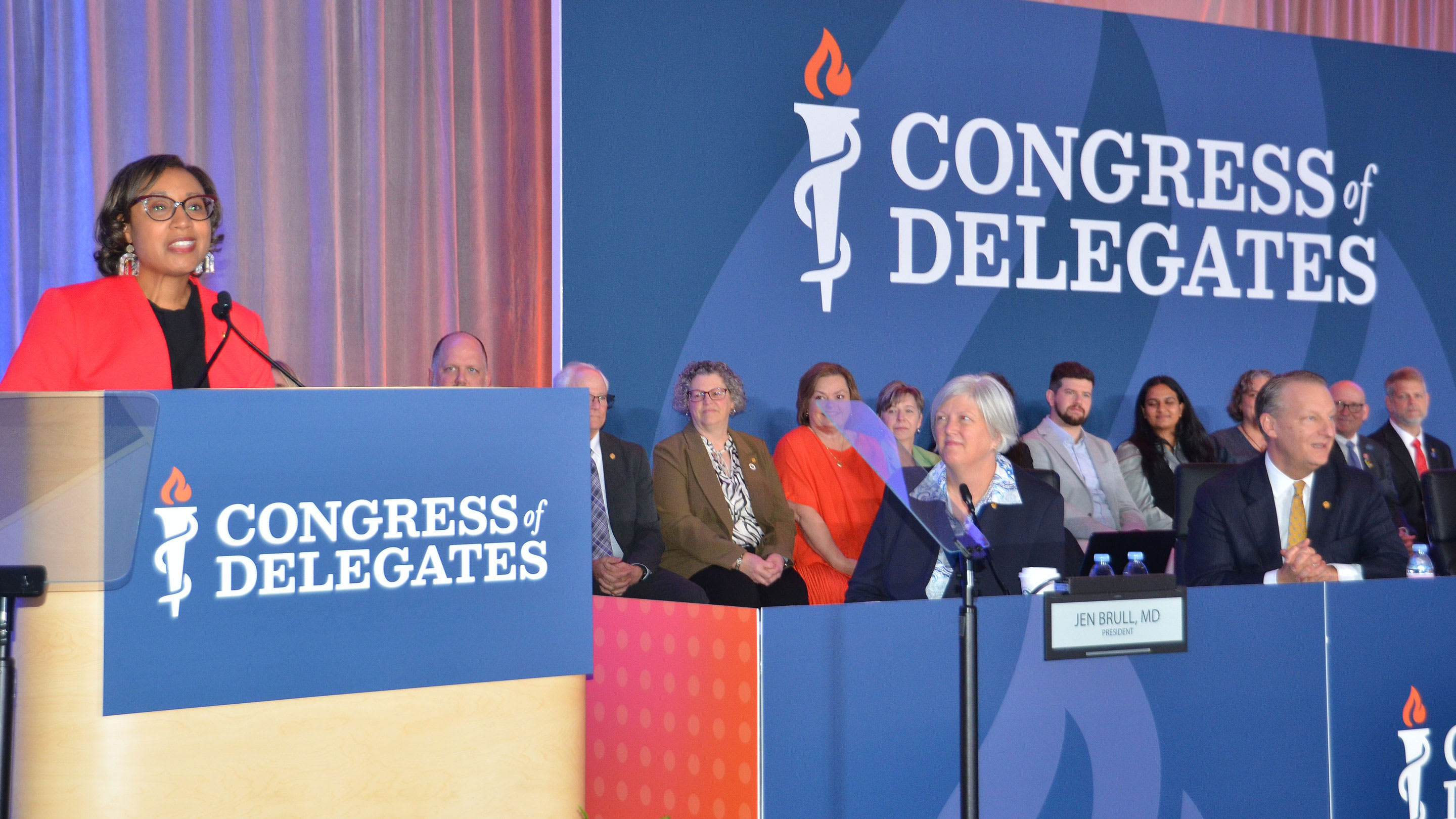
- Be part of AAFP's policy-making process at the Congress of Delegates (COD), where key decisions shaping family medicine are made.
- Medical students have a voice—as a special constituency, you're represented and encouraged to participate.
- All AAFP student members are welcome to attend COD events, including student caucus meetings and networking sessions.
- Conveniently held just before FMX—simply fly in a few days early!
Family Medicine Advocacy Summit
Dates: May 23-25, 2027
Location: Washington, DC
Why you should attend:
Shape the future of family medicine by engaging with peers and policymakers on issues that matter.
Learn effective advocacy tactics—perfect for both first-time attendees and seasoned student advocates.
Meet directly with members of Congress to influence health policies impacting patients and future practice.
Build your leadership and communication skills while championing the specialty on a national stage.
AAFP Leadership Conference (ACLF/NCCL)
Date: April 16–18, 2027
Location: Kansas City, MO
Why you should attend:
Connect with family medicine leaders from across the country at this annual spring gathering.
Participate in NCCL, the AAFP’s leading policy development event for underrepresented voices in medicine.
Engage with ACLF, where chapter leaders and executives collaborate on leadership strategies and chapter growth.
Elevate your leadership journey and get inspired by peers and mentors shaping the future of family medicine.
Each conference offers unique learning experiences and opportunities to connect with peers, educators, and leaders in family medicine.
How to get involved in family medicine leadership and advocacy
Family medicine conferences are more than educational events—they are gateways to leadership and advocacy involvement. Medical students can participate in discussions about healthcare policy, patient advocacy and the future of primary care.
Students interested in leadership can:
Attend advocacy-focused sessions at events
Participate in student or resident groups at their learning institutions
Learn how policy decisions affect patients and physicians
Explore leadership roles within AAFP and state chapters
How family medicine leaders shape healthcare policy and advocacy
Family medicine leaders play a critical role in advancing policies that improve patient care, expand access and strengthen primary care. Conferences provide firsthand exposure to how physicians advocate at local, state and national levels—and how students can begin contributing early in their careers.
Scholarships and funding opportunities for conference attendance
AAFP recognizes that cost can be a barrier for medical students. Scholarships and funding opportunities are available to help offset expenses related to conference registration, travel and lodging.
Available support may include:
- AAFP-sponsored student scholarships
- Travel grants for specific conferences
- Funding through state AAFP chapters
These opportunities make it easier for students from all backgrounds to attend family medicine events and engage fully in the specialty.
Networking and career growth through family medicine events
Conferences are one of the best ways for medical students to build meaningful professional relationships. From informal conversations to structured networking events, students can connect with physicians, residents, faculty and program leaders from across the country.
Building connections with residency programs and physicians
Family medicine conferences offer direct access to residency programs and practicing physicians. Students can:
- Meet residency directors and residents
- Learn about program cultures and priorities
- Ask questions about training and career paths
- Find mentors who support long-term professional growth
These connections can help students make informed decisions about residency and future practice.
Other organizations' meetings
The AMSA hosts an annual convention where medical students from schools across the country come together to discuss policy, campus programming, professional development and more.
Each fall, the FMEC hosts a conference in the northeast region of the United States. This conference offers diverse workshops and networking opportunities, including a large residency fair. Medical students will feel inspired by the family medicine community that makes up the consortium.
The FMM conference, which occurs each fall, features a wide range of sessions on various clinical areas, procedural skills, advocacy and career development. Students can submit workshop proposals and benefit from networking, as well as meet potential program leaders at the residency fair.
The LMSA holds two major conferences each year. Its National Conference happens each spring, and its policy summit occurs in the fall. National Conference is open to all medical students, as well as high school and premedical students.
Attending or presenting at the NAPCRG Annual Meeting, which takes place in the fall/winter, will provide you with insight into the major advances being made in research in primary care.
The STFM holds several conferences each year, and medical students frequently attend to get mentoring and networking opportunities and participate in programming that affects medical education.
The SNMA’s Annual Medical Education Conference is held each spring and attracts students and professionals from all levels of medical education. This conference is the largest gathering of underrepresented minority medical students in the country.