
Become a Family Medicine Champion and earn free CME
Inspire future doctors by sharing what family medicine is really about.

- On this page
- Who should participate
- Benefits for medical students
- Program overview
- Faculty
- Testimonials
- Next steps
- FAQ
- Other ways to get involved
- How the AAFP supports student choice
The Family Medicine Champions program is a free, self-paced training that prepares physicians, students and faculty to advocate for the specialty and connect with future health professionals.
Through expert-led modules, you’ll learn to dispel myths, clarify misconceptions and highlight the depth and breadth of family medicine careers.
Family Medicine Champions are guides along the pathway and process of medical education, providing information, tools and support to recruit a diverse workforce and promote a positive vision for the future of family medicine. Champions dispel myths, clarify misconceptions and advocate for the specialty’s wide-ranging opportunities.
As a foundation of the AAFP priority to strengthen pathways to family medicine, the program will prepare individuals to connect with students—and those who support them—to shed light on what it really means to be a family physician.
Whether you're advising premeds, mentoring students or presenting to future clinicians, this program gives you the tools to lead.
Become an advocate for family medicine
Learn, lead and earn CME
Enhance your advocacy skills while earning up to 4.75 continuing education credits—at no cost. This self-paced online program is designed to fit into your busy schedule with self-paced video modules and optional quarterly live calls to review content, share resources, network and ask questions.
Who should participate
You don't have to be a doctor or an AAFP member to participate. If you're in a position to inform or advise students considering a career in medicine, this program is for you.
Medical education: Medical school advisors, preceptors and faculty; residency program faculty and staff; residents
Student leadership: FMIG leaders, members and staff
Pre-medical and secondary education: Middle- and high-school educators and advisors; HOSA advisors; college advisors
AAFP chapter leaders and staff
Benefits for medical students
Medical students who complete the Family Medicine Champions program will gain meaningful experiences and skills that support both their academic journey and future career in family medicine. This program empowers students to become informed advocates, strengthen their leadership capabilities and build connections that will serve them throughout medical school and beyond.
Student participants have the opportunity to:
Become an effective peer educator: Gain the tools and confidence to inform and inspire classmates about the value and opportunities within family medicine.
Showcase your commitment: Demonstrate your passion for the specialty and your dedication to helping grow the family medicine workforce—an asset on applications, CVs and in conversations with mentors.
Explore career pathways in depth: Take a deeper dive into the diverse career opportunities available in family medicine, from clinical practice to academic, community and policy roles.
Build your professional network: Connect with fellow students, FMIG leaders, faculty and family medicine advocates, expanding your support system and leadership circle.
10 reasons to become a Family Medicine Champion
By completing this free, self-paced program, you’ll gain:
Stronger advocacy skills to confidently represent family medicine
Tools to correct misconceptions and spotlight the specialty’s full scope
Conversation strategies to engage and inspire future physicians
Clarity and confidence when discussing career pathways and clinical diversity
A network of peers and thought leaders who share your passion
Flexible outreach tools to tailor your message to students, advisors or the public
Engaging storytelling techniques to share your journey and humanize the profession
Better coordination with faculty and partners to grow your local pipeline
CME credit (4.75 hours) for professional development and credentialing
A national platform to elevate your mentorship and advocacy work
Program overview and faculty
Family Medicine Champions is a free, self-guided program. Modules are offered virtually, with opportunities to engage in discussions and activities.
You’ll complete 12 modules that cover the following topics:
Program modules
Presenters:
Learning objectives:
- Define family medicine with a positive outlook and passion in order to inspire the next generation of family physicians.
- Describe the scope of practice of a family physician.
- Identify practice styles and settings for family physicians.
Description:
This module introduces family medicine as a comprehensive specialty defined by first-contact, continuous, coordinated and comprehensive care. It highlights the breadth of practice—treating patients of all ages, genders and organ systems—and emphasizes how family physicians serve communities of all sizes, often caring for underserved populations and providing essential primary care.
Presenters:
- Cleveland Piggot, MD, MPH
- Frank Animikwam, MD
- Jennifer Bacani McKenney, MD, FAAFP
- Kelly Thibert, DO, MPH
- Nailah Adams Morancie, MD, MS, CAQSM
- Tate Hinkle, MD, MPH, MS
- Victoria Otano, MD
Learning objectives:
- Describe what family physicians do.
- Describe why family physicians choose their path.
- Envision and share diverse and individually customized careers in family medicine.
Description:
Through real-life stories and data from AAFP members, this module depicts a typical week in family medicine and the wide variety of roles family physicians play. It showcases career diversity in fields such as academic medicine, administration, sports medicine, rural and global health and more—highlighting the profound impact family physicians have on individuals and communities.
Presenters:
Tochi Iroku-Malize, MD, MPH, MBA, FAAFP
Stacy E. Potts, MD, MEd, FAAFP
Learning objectives:
- Describe the educational requirements and steps to obtain a career in family medicine.
- Describe the training family physicians receive in residency and how it prepares them to adapt throughout their careers.
Description:
Learners explore the rewarding yet demanding journey toward a career in family medicine, from medical school through residency. The module underscores self-care, well-being and the evolving residency requirements designed to prepare future physicians for a flexible, lifelong career in a changing health care environment.
Presenter:
Lauren Hughes, MD, MPH, MSc, MHCDS, FAAFP
Learning objectives:
- Describe how health care systems work.
- Explain why family medicine is integral to the future of health care.
- Address myths.
Description:
This module offers an overview of the U.S. health care system—its structure, financing and coverage models—and explains family medicine’s central role in building sustainable, patient-centered systems. It also addresses common misconceptions about the specialty and emphasizes physician well-being and the value of family medicine in health care reform.
Presenters:
Learning objectives:
- Demonstrate a baseline understanding of personal finance for students.
- Understand the financial implications of a career in family medicine and how to find financial support.
Description:
Students gain essential financial literacy skills, including managing educational debt and planning for a stable future. The module dispels myths about family medicine income by noting that family physicians’ average earnings place them among the top 8% of U.S. households, and provides tools and resources for financial planning.
Presenter:
Julie Gilbert
Learning objectives:
- Identify at least two federal programs that offer financial support.
- Demonstrate how to research state and local programs that offer financial support.
- Explain why students can be confident in the financial future of a career in family medicine.
Description:
This session guides students in finding and utilizing financial aid opportunities, such as scholarships, grants and loan repayment programs. It encourages building relationships with financial advisors and reinforces that family medicine offers a secure and rewarding financial future despite the costs of medical education.
Presenter:
Yalda Jabbarpour, MD
Learning objectives:
- Define primary care in health professions.
- Differentiate primary care medical specialties.
- Describe the role and impact of various health professions that contribute to the primary care workforce.
Description:
The module clarifies that primary care is a type of care—not a specific specialty—characterized by being first-contact, continuous, comprehensive and coordinated. It presents evidence showing that strong primary care systems lead to better outcomes, patient satisfaction and reduced costs, positioning family medicine as the foundation of effective health care.
Presenter:
Yalda Jabbarpour, MD
Learning objectives:
- Describe the unique role and value of various health professionals in primary care.
- Describe the difference between medical specialties in primary care.
- Advocate for the importance of family medicine in the health care landscape and exude confidence about its relevance and future.
Description:
This module emphasizes the critical need for family physicians, who deliver more primary care than any other specialty. It advocates for the specialty’s significance, highlighting strong employment prospects and the essential role family physicians play in ensuring access to quality, comprehensive care for all.
Presenter:
Christen Johnson, MD, MPH
Learning objectives:
- Identify Social Determinants of Health (SDoH) and how family physicians can screen for needs.
- Identify the factors that have the greatest impact on health outcomes and the primary drivers of health inequities.
Description:
Focusing on health equity, this module explores how family physicians can recognize and address SDoH to improve patient and community outcomes. It highlights their leadership in treating diverse populations, dispels myths about the specialty and showcases practical tools for combating inequities at both the clinical and community levels.
Presenters:
- Anna Feng
- Ernie Rodriguez, MD, MBA
- Olivia Dhaliwal, MD
- Jonathan Feng
- Rafay Nasir, MD
- Taree Chadwick, MD
Learning objectives:
- Describe common career considerations for high school, college and medical students.
- Use questions to uncover student aspirations, desires, concerns and barriers.
Description:
This module helps mentors understand and support students’ career interests and motivations. It offers guidance for addressing barriers, identifying role models and mentors, and fostering confidence in exploring varied, fulfilling family medicine career paths.
Presenters:
Learning objectives:
- Define who is underrepresented in medicine (URM).
- Describe the systemic challenges and barriers that disproportionately impact students from URM backgrounds.
Description:
Participants learn about the importance of recruiting and supporting students from underrepresented backgrounds in medicine. The session explores systemic barriers and stresses intentional outreach to build a more diverse, equitable family medicine workforce.
Presenters:
Janet Nwaukoni, DO
Learning objective:
Describe how to access basic resources and support.
Description:
This final module teaches how to connect students—at all stages of education—with mentorship, guidance and learning opportunities. It includes leveraging social media and professional organizations to promote awareness and engagement in family medicine.
Program faculty
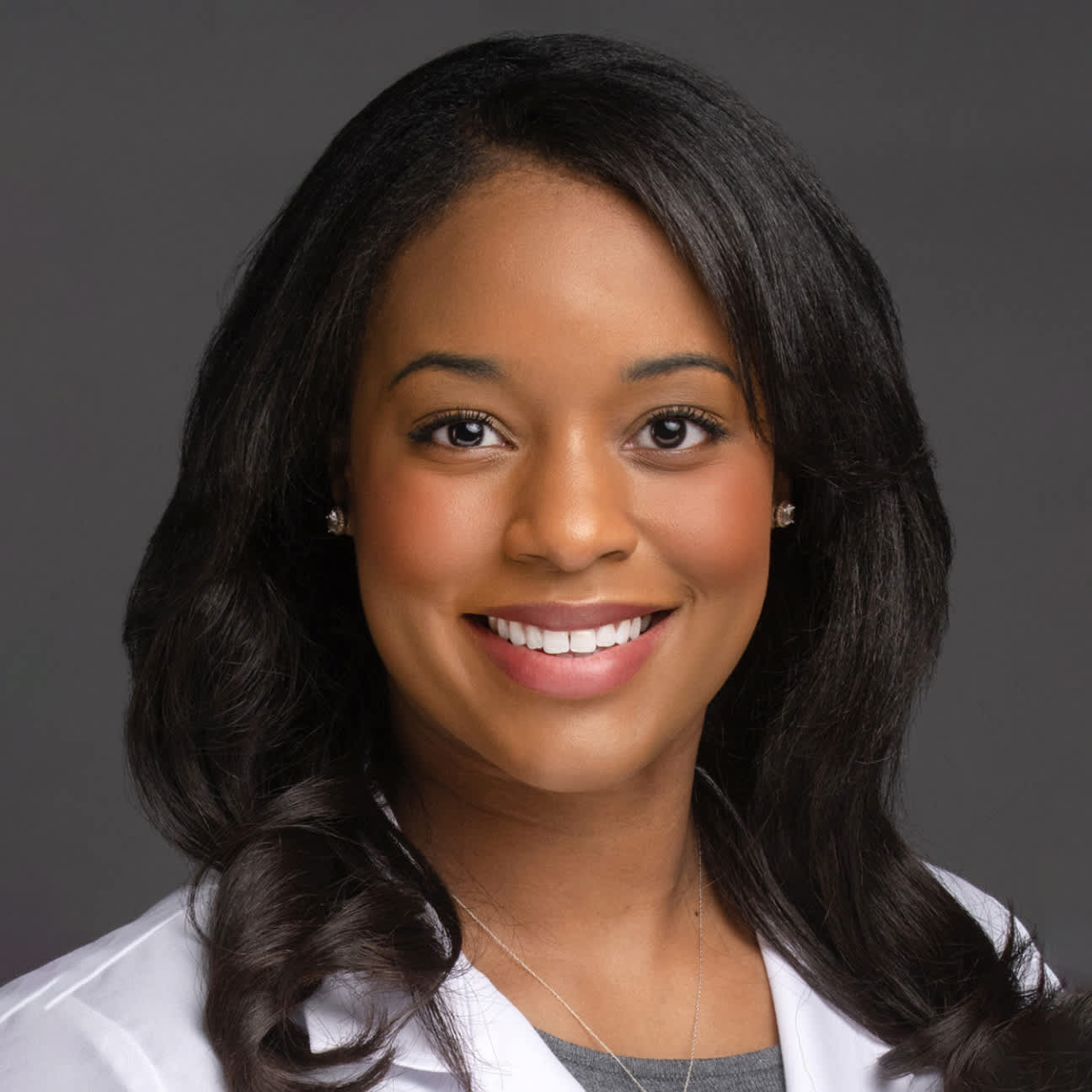
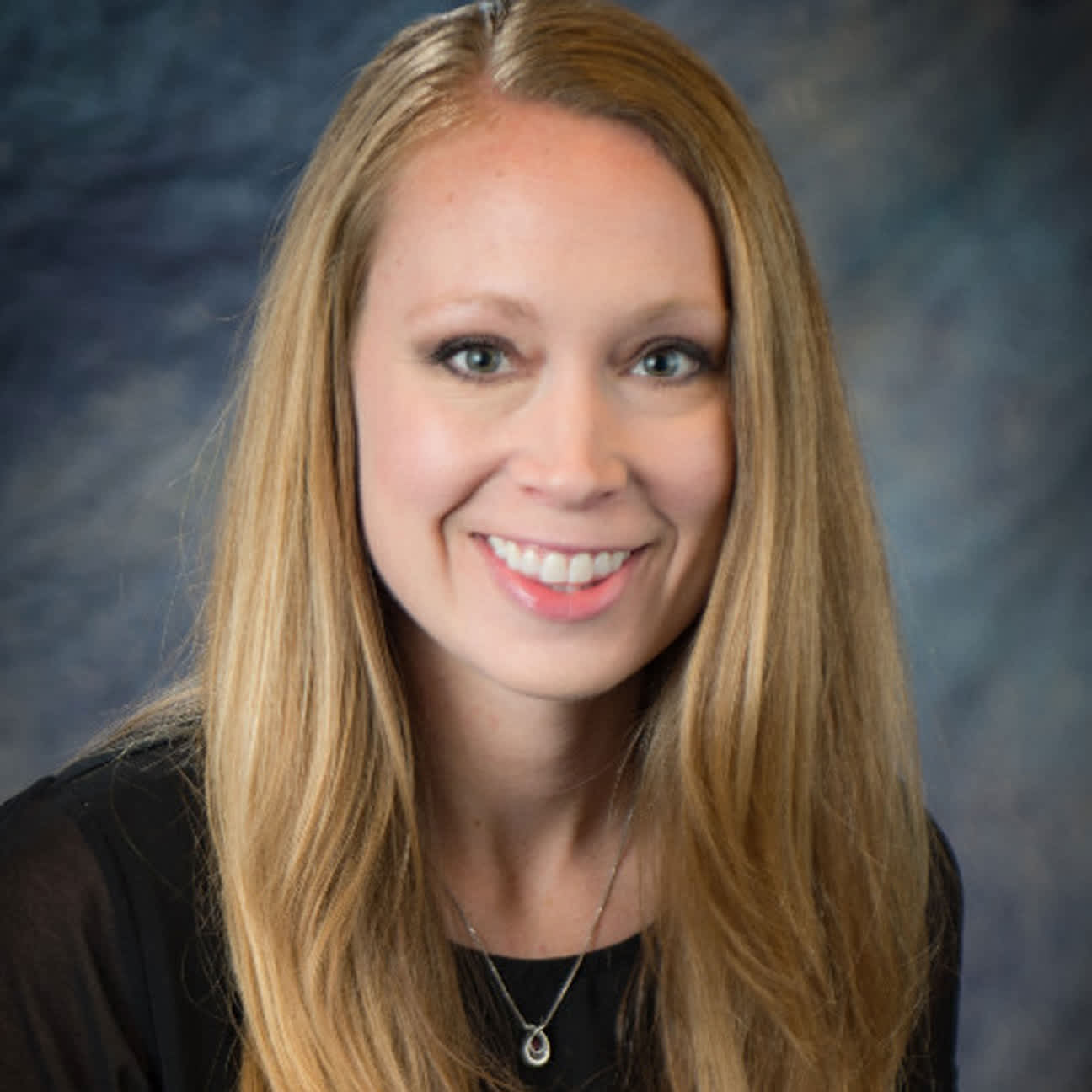
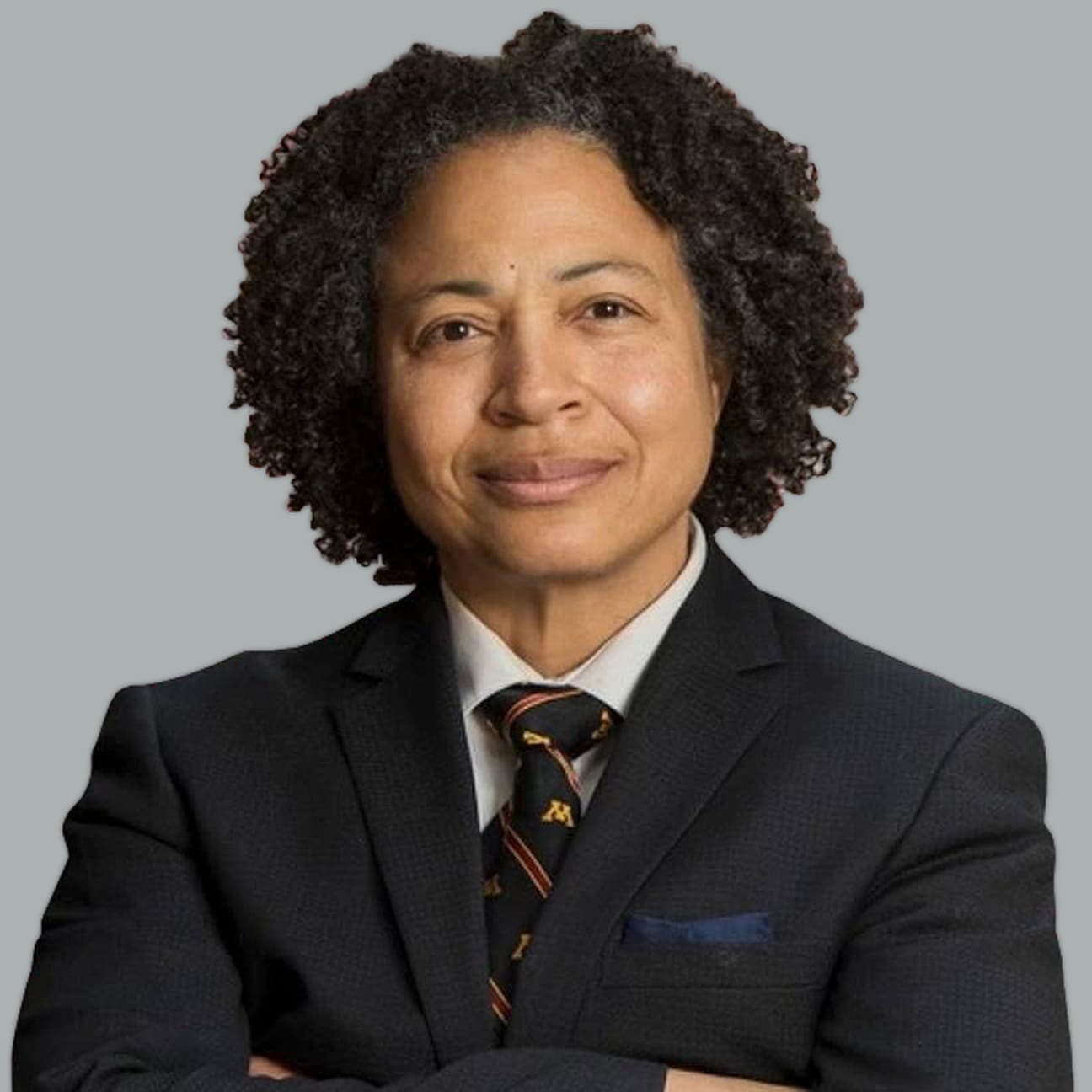
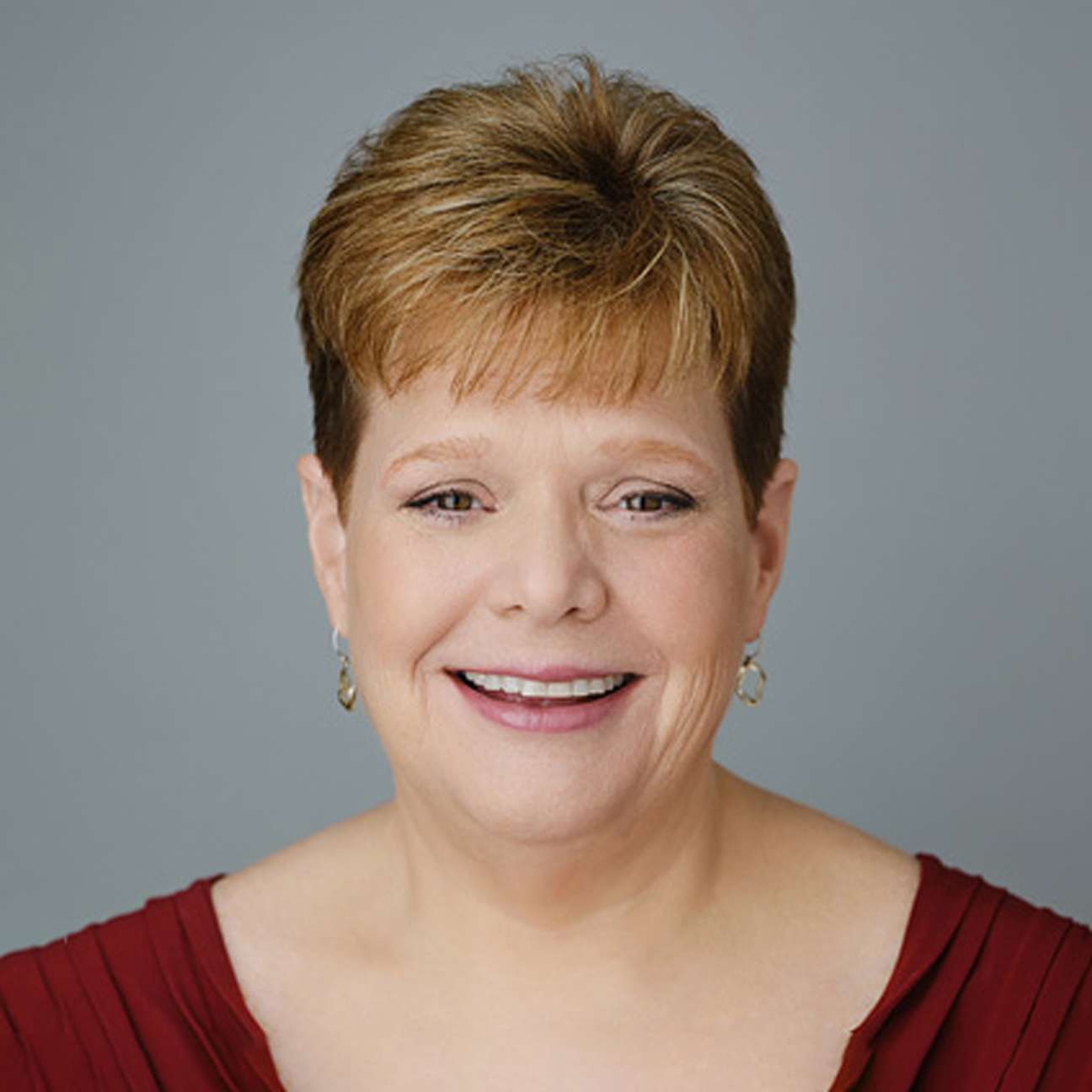
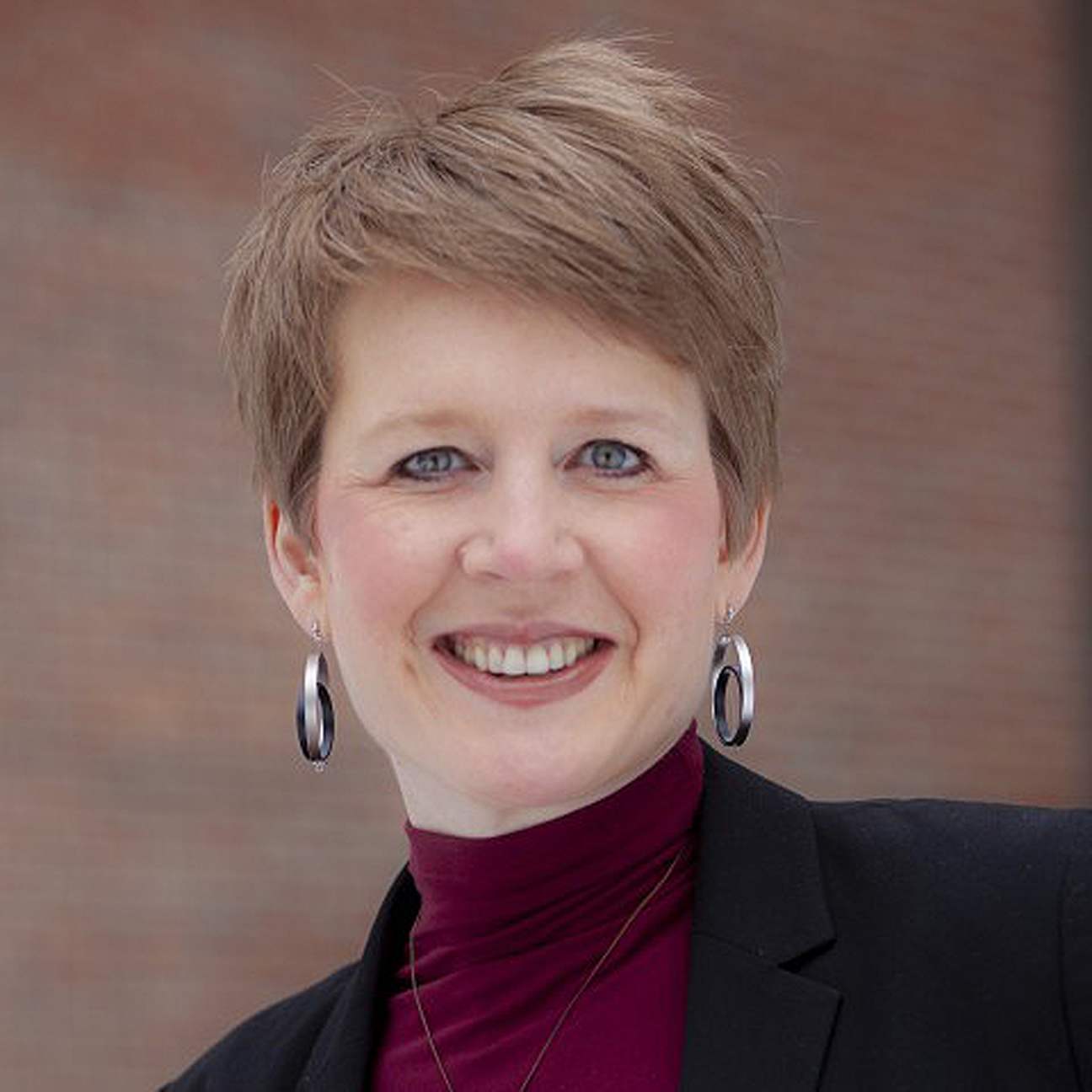
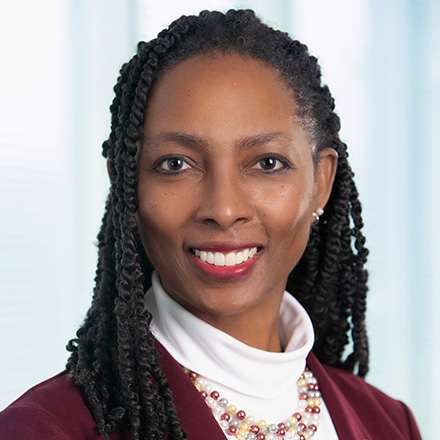
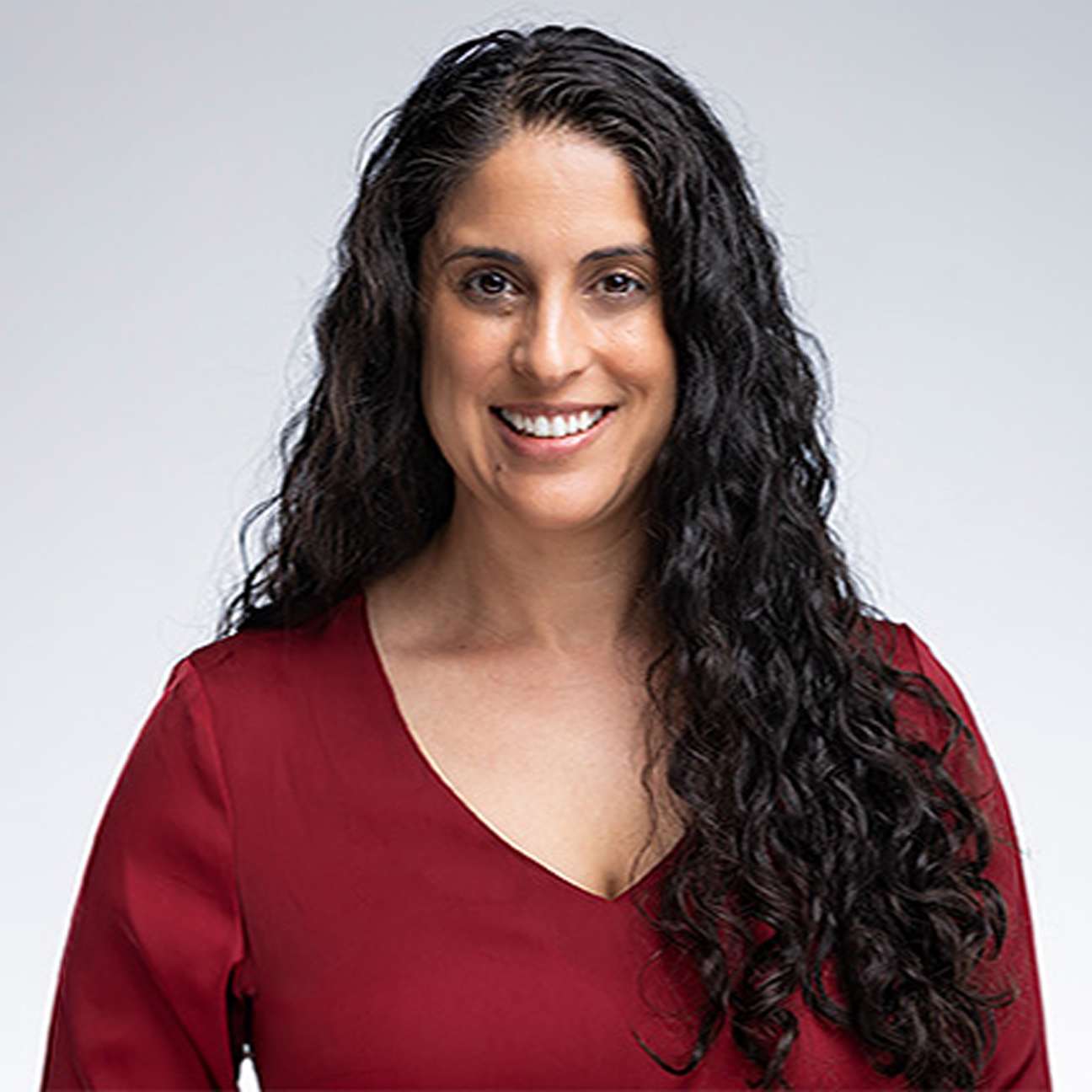
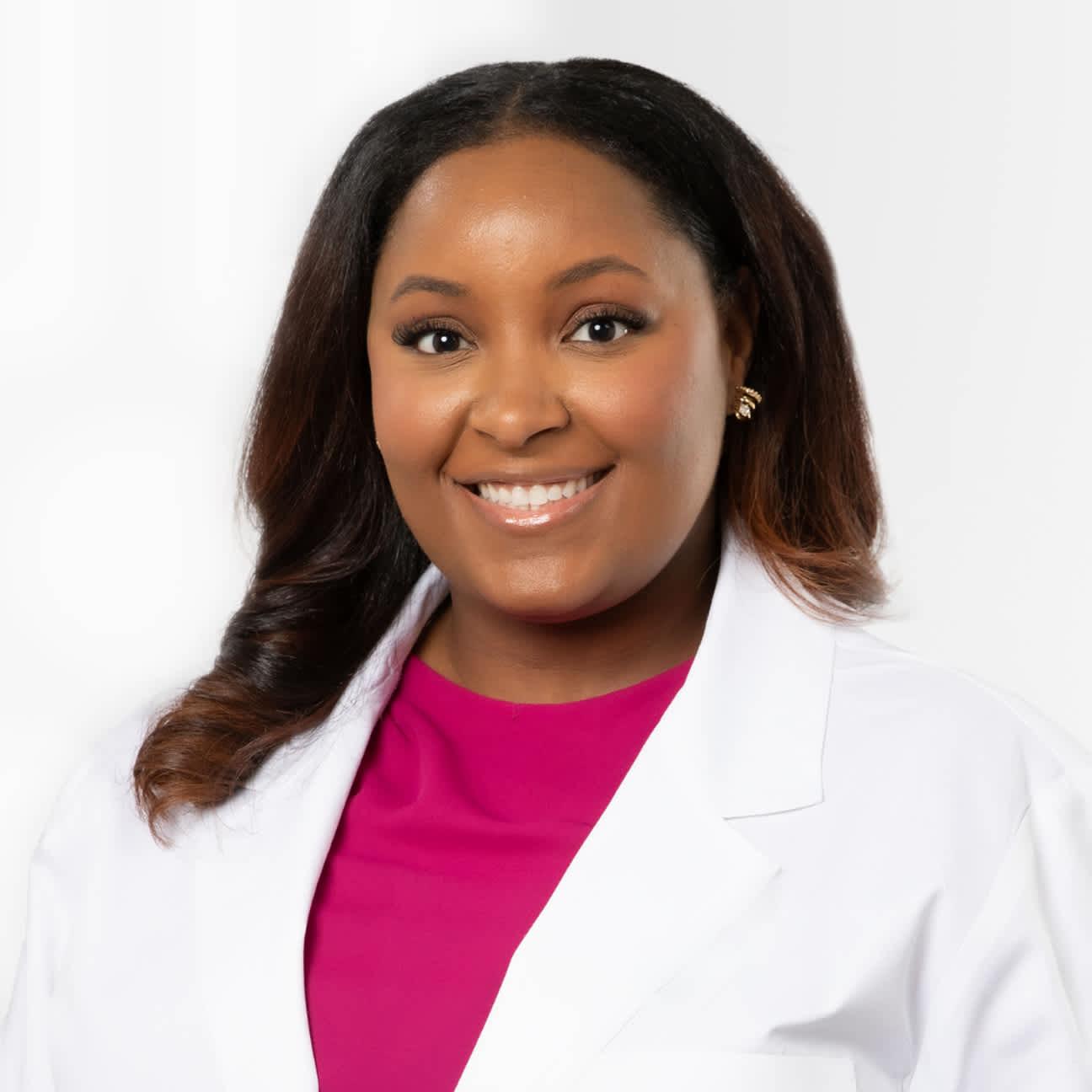
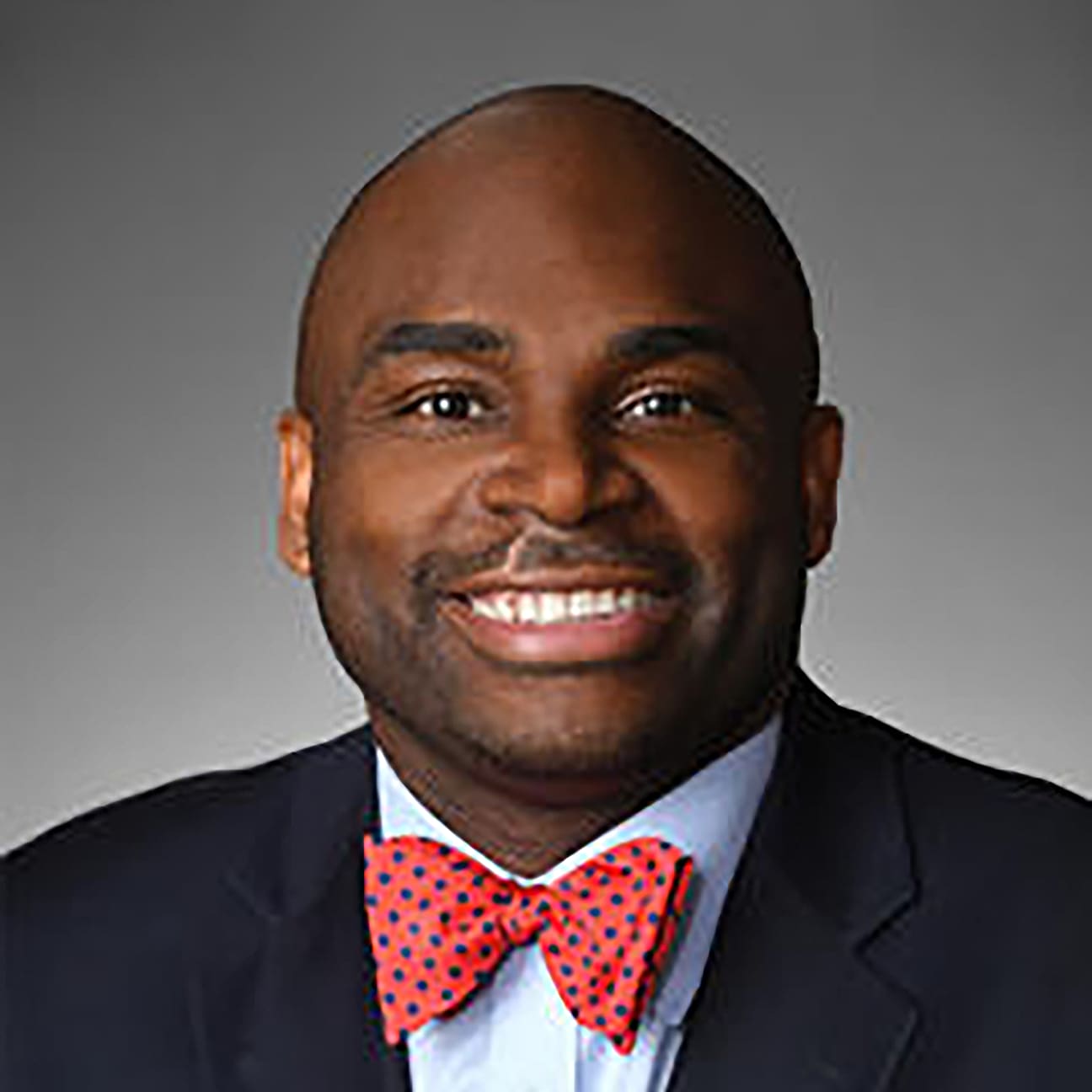
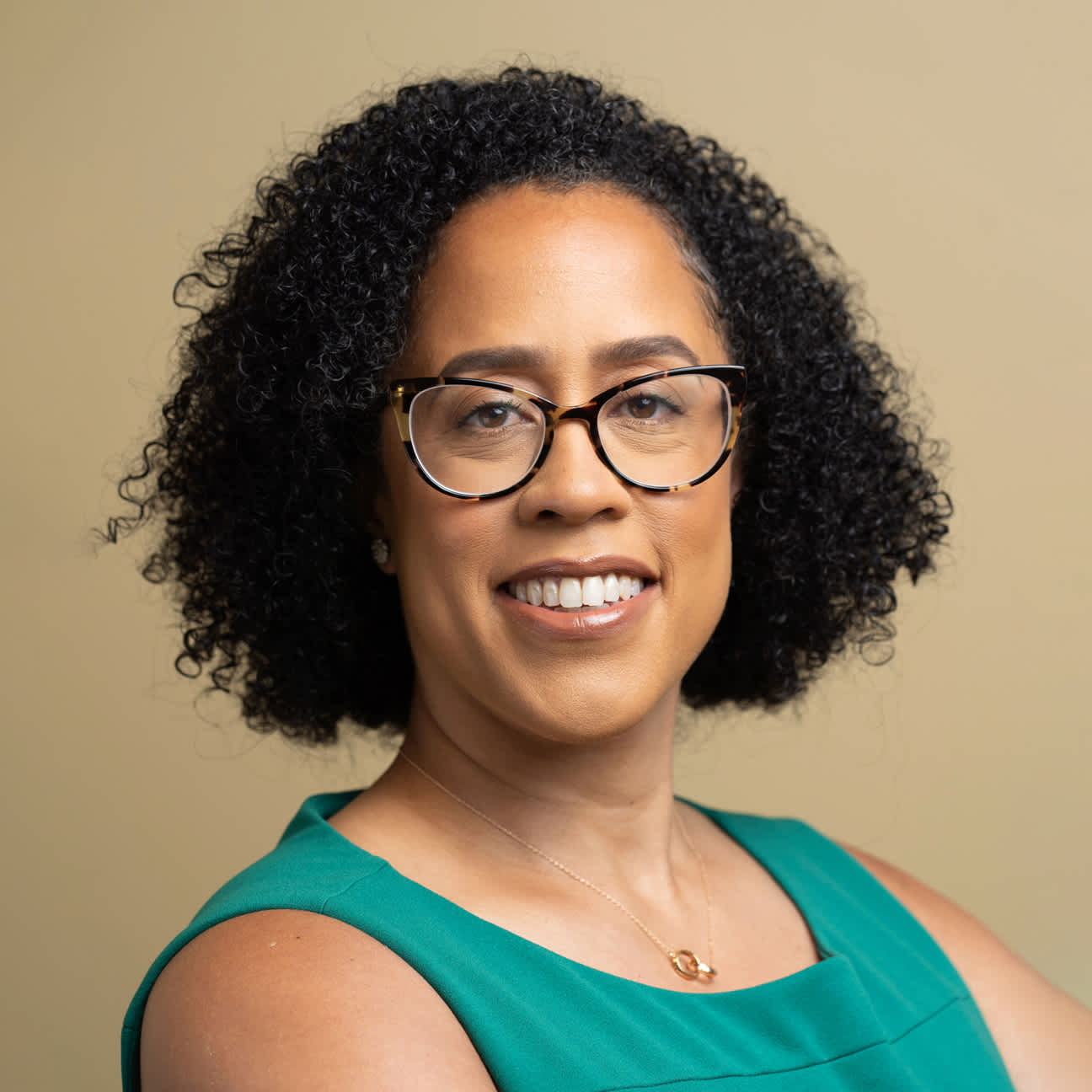
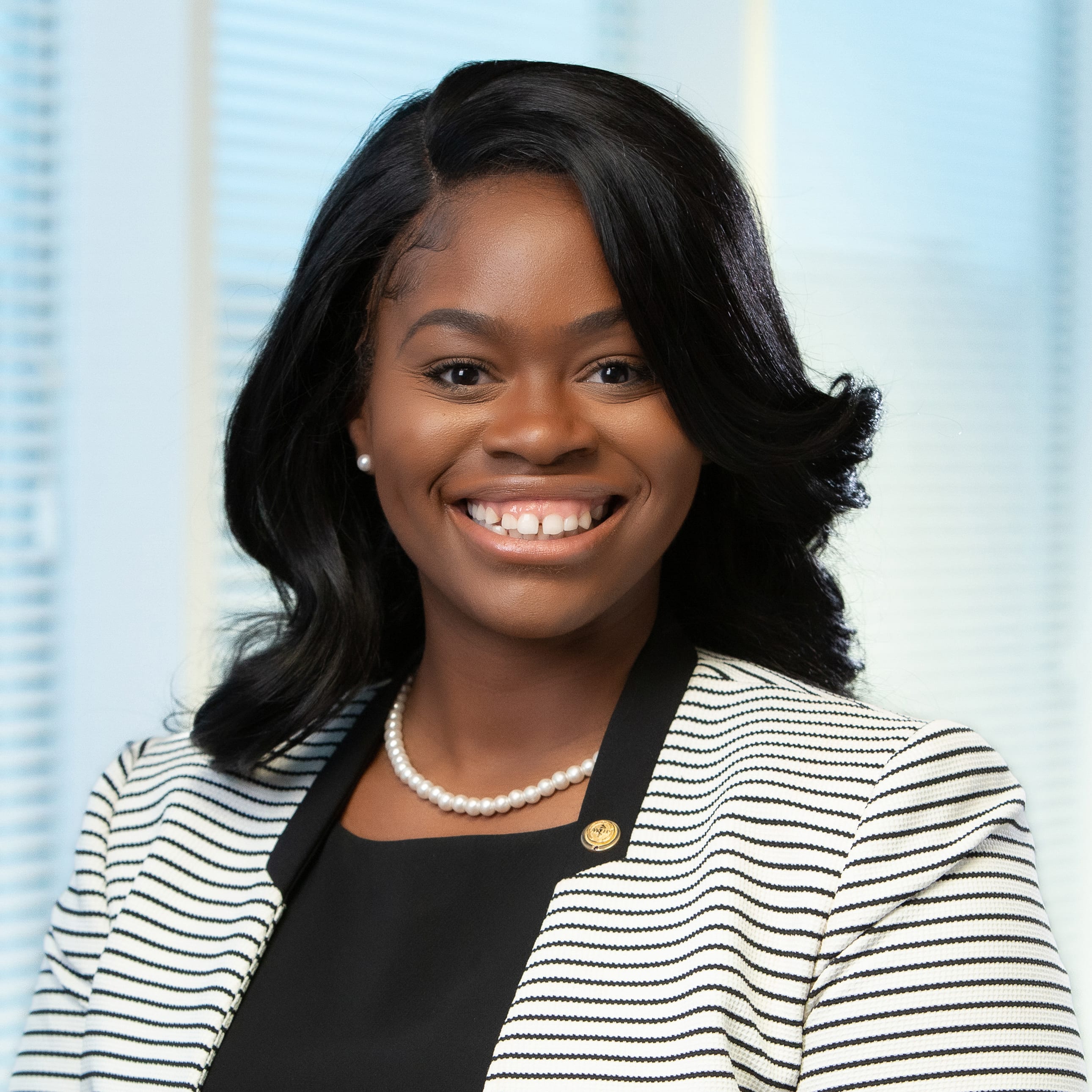
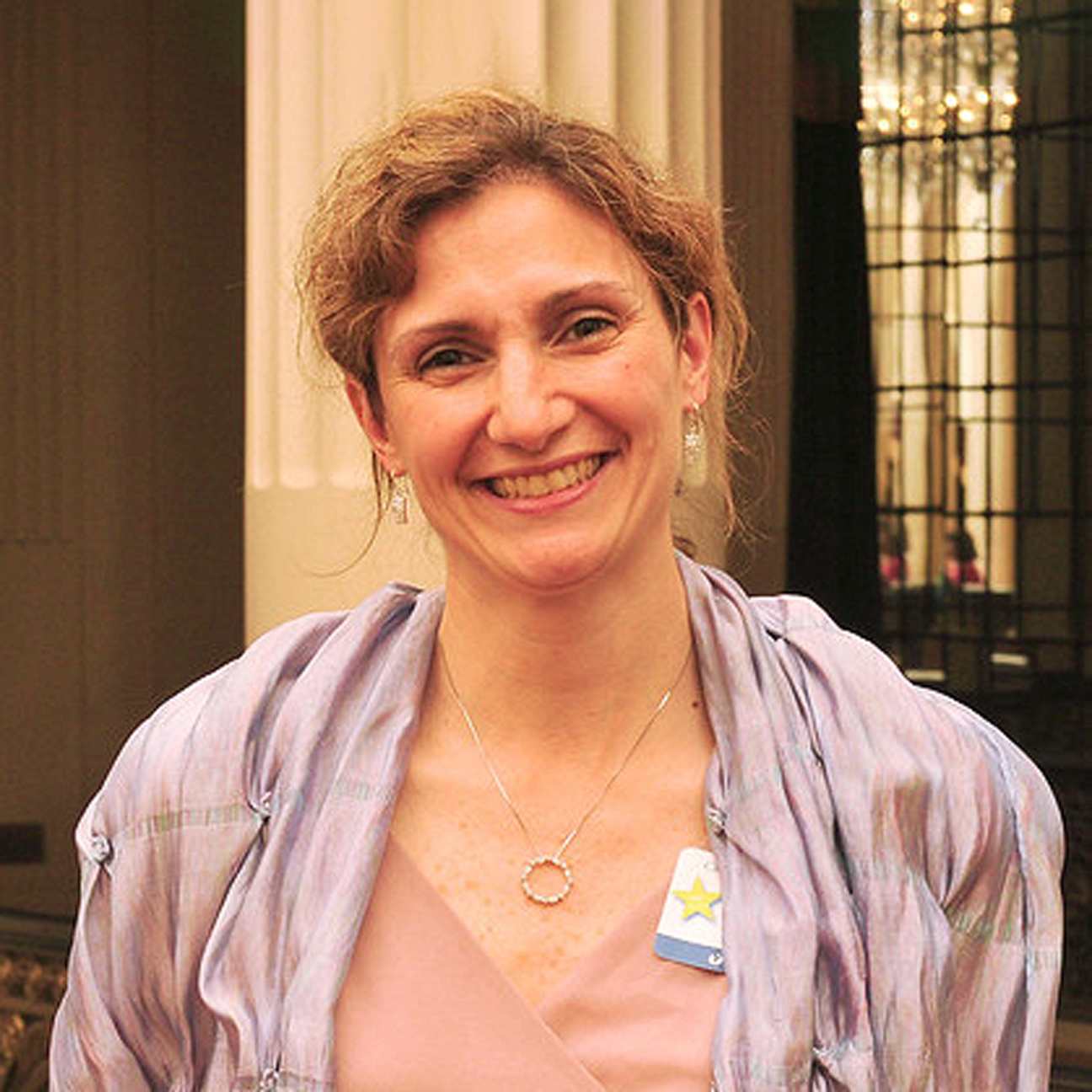
Program co-chair
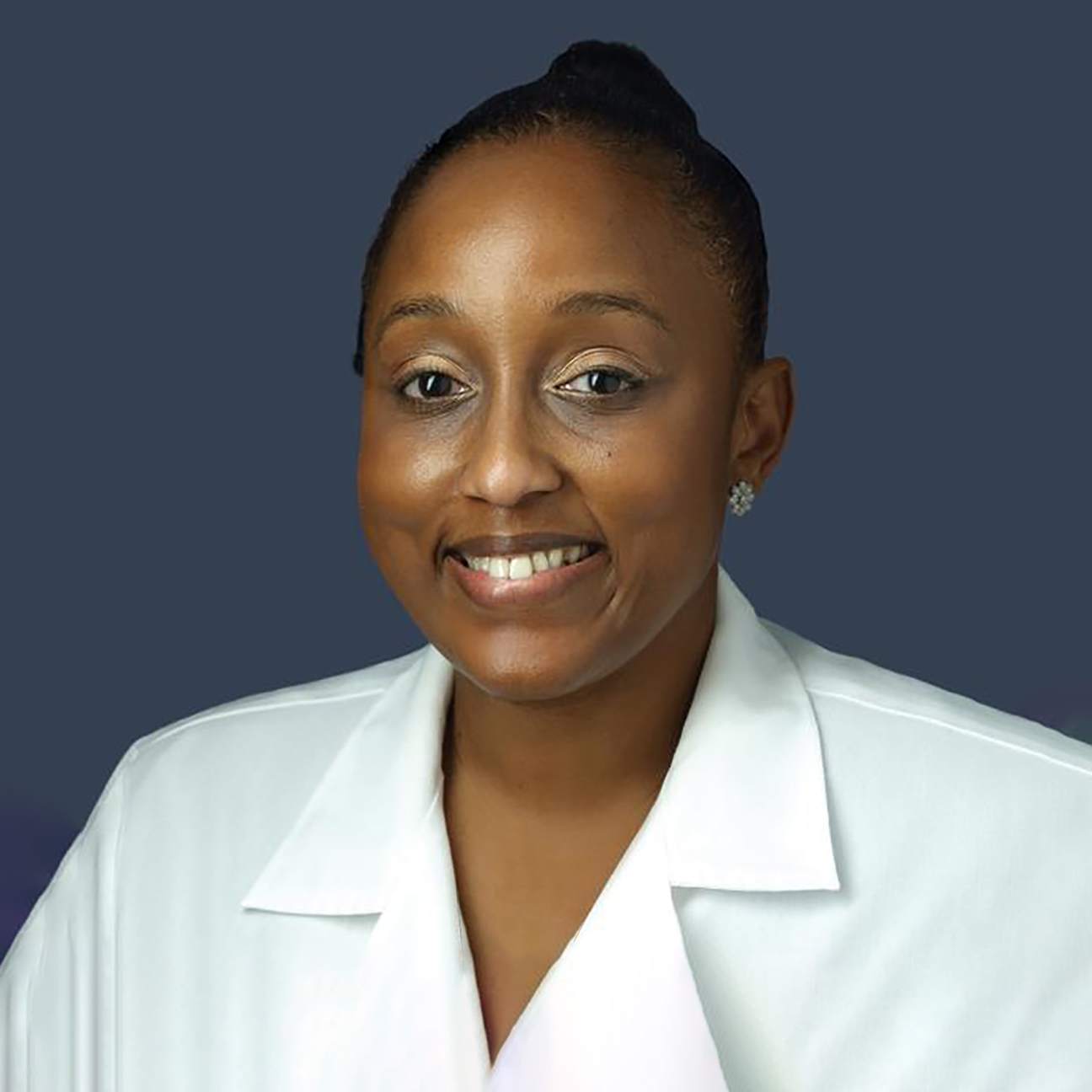
Program co-chair
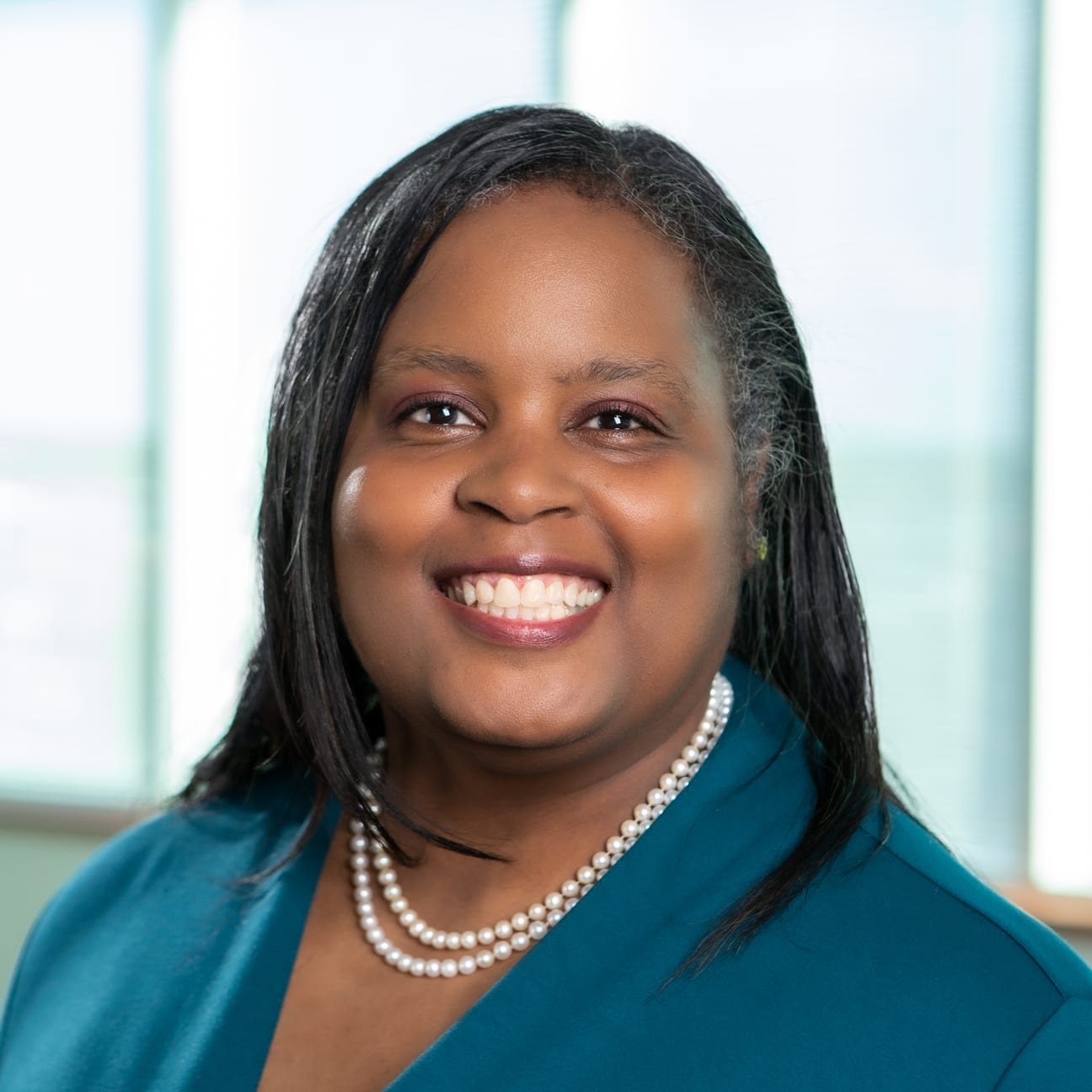
Nailah Adams Morancie, MD, MS, CAQSM
Frank Animikwam, MD
Jennifer Bacani McKenney, MD, FAAFP
Taree Chadwick, MD
Olivia Dhaliwal, MD
Anna Feng
Jonathan Feng
Tate Hinkle, MD, MPH, MS
Rafay Nasir, MD
Victoria Otano, MD
Cleveland Piggot, MD, MPH
Ernie Rodriguez, MBA
Kelly Thibert, DO, MPH
Hear from Family Medicine Champions graduates
Family Medicine Champions participants, alum share valuable takeaways
Read their storiesNext steps for Family Medicine Champions
After completing the Family Medicine Champions program, participants join a growing, nationwide network committed to strengthening the future of family medicine. This next phase supports ongoing connection, shared experiences and leadership opportunities. Quarterly live calls create new spaces for sharing resources and experiences, asking questions, networking and growing your skills and awareness.
Frequently asked questions
Program modules include:
- What is Family Medicine?
- A Week in the Life of a Family Physician
- The Educational Path to Family Medicine
- The Future of Family Medicine (or The Business of Medicine)
- Personal Finance: Medical School Costs, Student Debt, Salaries and Income
- Finding Financial Support
- Defining Primary Care and Understanding Primary Care Medical Careers
- Workforce Projections and the Need for Family Physicians
- Family Medicine’s Role in Striving for Health Equity
- Understanding Student Aspirations
- Supporting Underrepresented Students To Build Workforce Diversity
- Connecting Students With Resources and Support—Mentorship Skills
Family Medicine Champions is a self-guided program. Each of the 12 modules takes a maximum of one hour to complete. We recommend a pace of completing three modules per month.
Just a commitment to family medicine and a desire to inspire others.
Optional quarterly virtual review and discussion sessions give participants and graduates a chance to share what they're learning, ask questions and build their network. Session dates and details are listed in the program and in the online community for graduates.
Have questions about the program? Curious about what you can do to support the next generation of family physicians? Contact:
Sara Davis
sdavis@aafp.org
(913) 906-6255
Other ways to get involved
Become a preceptor
Find your local AAFP chapter
Build community
How the AAFP supports student choice
Learn about what AAFP is doing to support students interested in family medicine.