

Atrial Fibrillation: Common Questions and Answers About Diagnosis and Treatment

Sarah Holder, DO
Paula Amin, MD

American Family Physician. 2024;109(5):398-404.

Author disclosure: No relevant financial relationships.

This clinical content conforms to AAFP criteria for CME.

Atrial fibrillation is a supraventricular arrhythmia that increases the risk of stroke and all-cause mortality. It is the most common cardiac dysrhythmia in adults in the primary care setting, and its prevalence increases with age. The U.S. Preventive Services Task Force concluded that there is insufficient evidence to assess the benefits and harms of screening asymptomatic adults older than 50 years for atrial fibrillation. Many patients with atrial fibrillation are asymptomatic, but symptoms can include palpitations, exertional dyspnea, fatigue, and chest pain. Diagnosis is based on history and physical examination findings and should be confirmed with 12-lead electrocardiography or other recording device. The initial evaluation should include transthoracic echocardiography; serum electrolyte levels; complete blood count; and thyroid, kidney, and liver function tests. Stroke risk should be assessed in patients with atrial fibrillation using the CHA2DS2-VASc score. Warfarin and direct oral anticoagulants reduce the risk of stroke by preventing atrial thrombus formation and subsequent cerebral or systemic emboli. Hemodynamically unstable patients, including those with decompensated heart failure, should be evaluated and treated emergently. Most hemodynamically stable patients should be treated initially with rate control and anticoagulation. Rhythm control, using medications or procedures, should be considered in patients with hemodynamic instability or in some patients based on risk factors and shared decision-making. Electrical cardioversion may be appropriate as first-line rhythm control. Conversion to sinus rhythm with catheter ablation may be considered in patients who are unable or unwilling to take rate or rhythm control medications long-term or if medications have been ineffective.

Atrial fibrillation (AF) is a supraventricular arrhythmia characterized by uncoordinated electrical activation of the atria leading to ineffective atrial contractions.1 It is the most common cardiac dysrhythmia in adults in the primary care setting.2 It is estimated that 3 million to 6 million adults in the United States are living with AF.2,3 Older adults are more commonly affected.13 Patients with AF have a higher risk of stroke, heart failure, and all-cause mortality.1,2

WHAT'S NEW ON THIS TOPIC
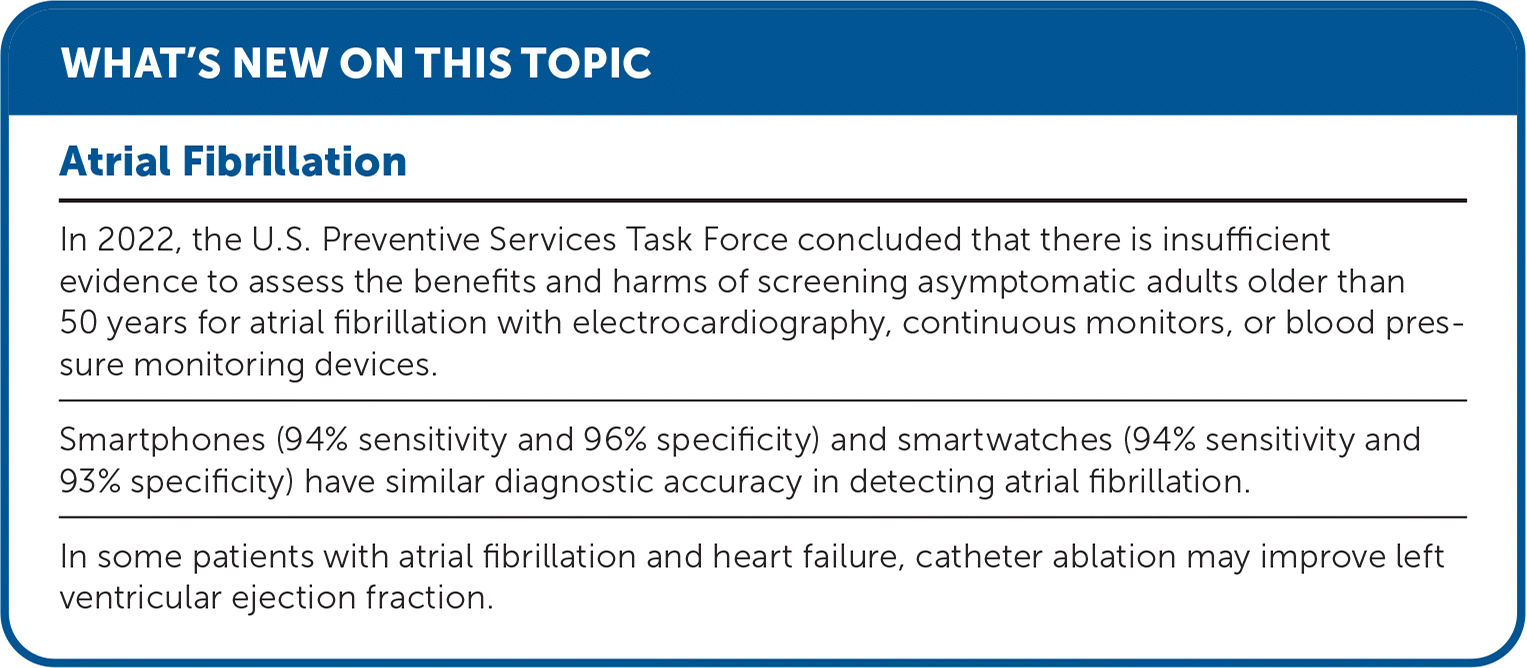
Atrial Fibrillation
In 2022, the U.S. Preventive Services Task Force concluded that there is insufficient evidence to assess the benefits and harms of screening asymptomatic adults older than 50 years for atrial fibrillation with electrocardiography, continuous monitors, or blood pressure monitoring devices.
Smartphones (94% sensitivity and 96% specificity) and smartwatches (94% sensitivity and 93% specificity) have similar diagnostic accuracy in detecting atrial fibrillation.
In some patients with atrial fibrillation and heart failure, catheter ablation may improve left ventricular ejection fraction.

SORT: KEY RECOMMENDATIONS FOR PRACTICE
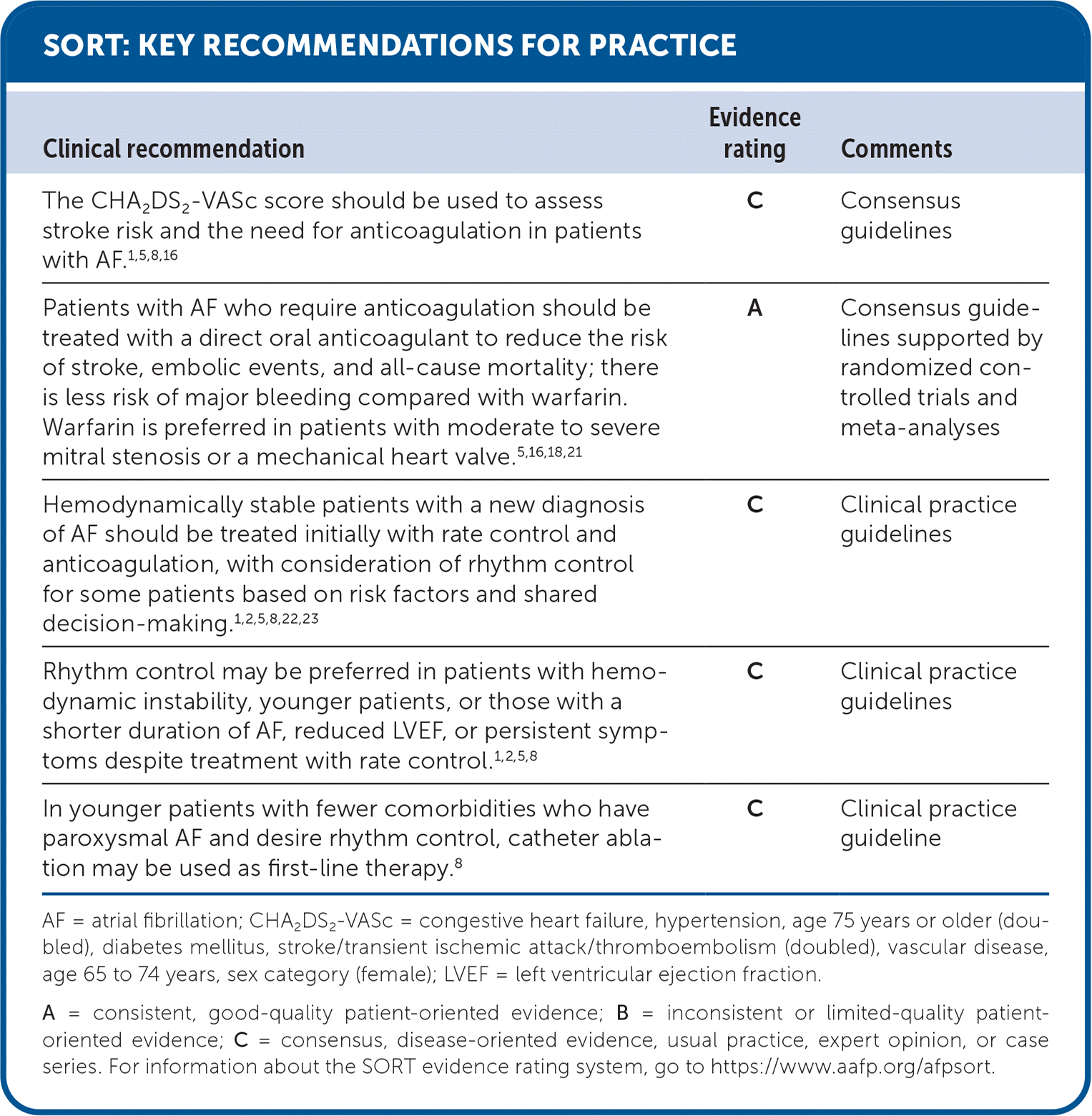
AF = atrial fibrillation; CHA2DS2-VASc = congestive heart failure, hypertension, age 75 years or older (doubled), diabetes mellitus, stroke/transient ischemic attack/thromboembolism (doubled), vascular disease, age 65 to 74 years, sex category (female); LVEF = left ventricular ejection fraction.

A = consistent, good-quality patient-oriented evidence; B = inconsistent or limited-quality patient-oriented evidence; C = consensus, disease-oriented evidence, usual practice, expert opinion, or case series. For information about the SORT evidence rating system, go to https://www.aafp.org/afpsort.

What Clinical History or Symptoms Suggest AF?

Many patients with AF are asymptomatic, but the most common presenting symptom is palpitations.1,4 Other common symptoms include dyspnea on exertion, fatigue, dizziness, and chest pain.4,5 Patients with symptoms and associated risk factors should be evaluated for AF. The U.S. Preventive Services Task Force concluded that there is insufficient evidence to assess the benefits and harms of screening for AF in asymptomatic adults older than 50 years.

EVIDENCE SUMMARY

Approximately 50% to 87% of patients with AF are asymptomatic.5 The most common presenting symptom in patients with AF is palpitations, which occur in approximately one-third of symptomatic patients.1,4,5 Dyspnea on exertion, fatigue, dizziness, and chest pain are other common symptoms.5 Patients may be hemodynamically unstable and present with symptoms that include syncope, hypotension, heart failure, and myocardial ischemia due to a very rapid heartbeat caused by AF.5

The U.S. Preventive Services Task Force concluded that there is insufficient evidence to assess the benefits and harms of screening for AF with electrocardiography (ECG), continuous monitors such as a Holter monitor, or blood pressure monitoring devices in adults older than 50 years.6 A Cochrane review showed that systematic screening (i.e., screening all patients with ECG) and opportunistic screening (i.e., pulse palpation during an office visit for any reason, followed by ECG if pulse is irregular) are more effective in patients older than 65 years than the regular practice of diagnosing AF based on clinical presentation, but systematic screening is less cost-effective.7

Age is the most important risk factor for the development of AF, with the greatest risk in those older than 50 years.3,5 Patients older than 70 years are seven times more likely to develop AF than those 50 years or younger.3,4 Other common risk factors include obesity, hypertension, diabetes mellitus, smoking, myocardial infarction, heart failure, and obstructive sleep apnea.3,5

What Is Included in the Initial Evaluation of AF?

Diagnosis of AF is based on history and physical examination findings and should be confirmed with 12-lead ECG or other recording device.1,5,8 The initial evaluation should include transthoracic echocardiography; serum electrolyte levels; complete blood count; and thyroid, kidney, and liver function tests.1

EVIDENCE SUMMARY

A thorough history should be obtained from patients with suspected AF to characterize the pattern and duration of symptoms; determine potential causes; assess thromboembolic risk; review prior treatment, family history, and associated conditions; and identify reversible risk factors.1,5 The physical examination can verify the diagnosis with palpation or auscultation of an irregularly irregular heartbeat. Detection of an irregularly irregular radial pulse has a sensitivity and specificity of 92% and 82%, respectively, for diagnosing AF.9

The diagnostic standard for confirming AF is 12-lead ECG1,5,10 (Figure 111 ). Patients with paroxysmal AF who are in normal sinus rhythm at the time of presentation may require ambulatory ECG, such as a Holter monitor. Other options for ambulatory ECG monitoring include post-event, implantable, or external loop recorders.9 Newer detection methods include handheld ECG devices, wearable wrist devices (e.g., Apple Watch), and automatic blood pressure monitors.10 One meta-analysis found that the most accurate devices for detecting pulse irregularities caused by AF are non–12-lead ECG (91% sensitivity and 95% specificity) and blood pressure monitors (98% sensitivity and 92% specificity).9 Smartphones (94% sensitivity and 96% specificity) and smartwatches (94% sensitivity and 93% specificity) have similar diagnostic accuracy in detecting AF.12

FIGURE 1.

Twelve-lead electrocardiography showing atrial fibrillation. Note the absence of distinct P waves, chaotic activity of atria, and irregular R-R intervals with narrow QRS complex.

Reprinted with permission from Gutierrez C, Blanchard DG. Diagnosis and treatment of atrial fibrillation. Am Fam Physician. 2016;94(6):444.

Transthoracic echocardiography should be performed to evaluate for underlying structural heart disease and to assess cardiac function and atrial size.1,5 Transesophageal echocardiography is the most sensitive and specific modality for the evaluation of left atrial thrombus but is not routinely indicated.1 A new diagnosis of AF should prompt measurements of serum electrolyte levels; complete blood count; and thyroid, kidney, and liver function tests to assess for potential causes and guide treatment.1,5

How Is Stroke Risk Assessed and Reduced With Anticoagulation?

In patients with AF, stroke risk should be assessed with the CHA2DS2-VASc (congestive heart failure, hypertension, age 75 years or older [doubled], diabetes mellitus, stroke/transient ischemic attack/thromboembolism [doubled], vascular disease, age 65 to 74 years, sex category [female]) score1,2,5,13 (Table 11). Warfarin and direct oral anticoagulants (DOACs) reduce the risk of stroke by preventing atrial thrombus formation and subsequent cerebral or systemic emboli.1

TABLE 1. CHA2DS2-VASc Risk Stratification Score for Patients With Nonvalvular Atrial Fibrillation

Risk factorPointsScoreAdjusted stroke rate (% per year)
Congestive heart failure
Hypertension
Age 75 years or older
Diabetes mellitus
Stroke/transient ischemic attack/thromboembolism
Vascular disease (prior myocardial infarction, peripheral artery disease, aortic plaque)
Age 65 to 74 years
Sex category (female)
Total (maximum score = 9)
1
1
2
1
2
1
1
1
_____
0
1
2
3
4
5
6
7
8
9
0
1.3
2.2
3.2
4.0
6.7
9.8
9.6
6.7
15.2

Note: Anticoagulation is recommended in patients with a score of ≥ 2 unless risks outweigh benefits or there is a contraindication; direct oral anticoagulants (e.g., apixaban [Eliquis], dabigatran [Pradaxa], edoxaban [Savaysa], rivaroxaban [Xarelto]) are recommended over warfarin in eligible patients.

Adapted from January CT, Wann LS, Alpert JS, et al. 2014 AHA/ACC/HRS guideline for the management of patient s with atrial fibrillation: a report of the American College of Cardiology/American Heart Association Task Force on Practice Guidelines and the Heart Rhythm Society [published correction appears in Circulation. 2014;130(23):e272–274]. Circulation. 2014;130(23):e213.

EVIDENCE SUMMARY

The CHA2DS2-VASc score should be used to determine the risk of embolic stroke and the need for anticoagulation.1,5,8,1416 Males with a score of 2 or greater and females with a score of 3 or greater generally benefit from oral anticoagulation.1,1416 Before initiation of anticoagulation therapy, bleeding risk should be assessed. Traditionally, the HAS-BLED (hypertension, abnormal renal and liver function, stroke, bleeding risk, labile international normalized ratio, elderly [older than 65 years], drug and alcohol use) score is used.1,5 A score of more than 3 indicates high risk of bleeding. A DOAC score has been developed to predict bleeding risk for patients with AF who are using DOACs. Although the DOAC score showed superior performance to the HAS-BLED score in two validation cohorts, it has not been incorporated into AF guidelines.17 Bleeding risk should be part of the discussion of risks vs. benefits of anticoagulation, and a high risk score alone should not prohibit use.5,16

Warfarin, a vitamin K antagonist, and DOACs, including direct thrombin inhibitors and factor Xa inhibitors, reduce stroke risk in AF. Warfarin is the only oral anticoagulant recommended for the treatment of AF in patients with moderate to severe mitral stenosis or a mechanical heart valve.5,14,18 DOACs are recommended over warfarin in patients with AF who are eligible for treatment.5,1416,19,20 A 2018 Cochrane review concluded that DOACs significantly decreased the risk of stroke, systemic embolic events, major bleeding, and all-cause deaths compared with warfarin.21 The recommended DOACs for use in nonvalvular AF are apixaban (Eliquis), dabigatran (Pradaxa), edoxaban (Savaysa), and rivaroxaban (Xarelto).2,16 Aspirin is not recommended for reduction of stroke risk in patients with AF. Table 2 lists the pharmacologic properties of anticoagulants used for the prevention of thromboembolism in patients with AF.11 Left atrial appendage occlusion (e.g., with the Watchman device) is an alternative for patients with an increased risk of stroke who have contraindications to long-term anticoagulation.16

What Is the Initial Management of AF?

Patients who are hemodynamically unstable, including those with decompensated heart failure, should be evaluated and treated emergently with airway and blood pressure support. Admission to the intensive care unit and cardiology consultation should be considered.1,2,5 Most hemodynamically stable patients should be treated initially with rate control and anticoagulation, with consideration of rhythm control for some patients based on risk factors and shared decision-making.1,2,5,8,22,23

EVIDENCE SUMMARY

Hospitalization is indicated for patients with unstable arrhythmia, acute myocardial infarction, altered mental status, decompensated heart failure, hypotension, or intolerable symptoms.1,2,5 Nondihydropyridine calcium channel blockers and beta blockers are preferred for achieving rate control.1,5,22 Lenient rate control (less than 110 beats per minute at rest) has similar benefits as strict control (less than 80 beats per minute at rest) in patients without symptoms at higher heart rates and with normal left ventricular ejection fraction (LVEF).1,5,24 Digoxin may be considered as a second-line agent for rate control, particularly in patients with heart failure.1,5,25

Goals of treatment are to control symptoms and to prevent thromboembolism and long-term cardiovascular morbidity from tachycardia. Addressing risk factors such as obesity, sleep apnea, hypertension, diabetes, and alcohol consumption can reduce episodes and symptoms.5,2628

Which Patients Are Good Candidates for Pharmacologic or Electrical Cardioversion?

Rhythm control may be preferred in patients with hemodynamic instability, younger patients, and those with a shorter duration of AF, reduced LVEF, or persistent symptoms despite treatment with rate control.1,2,5,8 Electrical cardioversion may be appropriate as first-line rhythm control.8

EVIDENCE SUMMARY

Select patients with new-onset AF (i.e., less than 48 hours and therefore lower risk of left atrial thrombus) or those with conditions including decompensated heart failure, acute coronary syndrome, hypotension, or acute stroke may benefit from immediate pharmacologic or electrical cardioversion. In hemodynamically stable patients, delaying cardioversion until after 4 weeks of anticoagulation is noninferior to immediate cardioversion for a return to sinus rhythm.29 However, emergent cardioversion should not be delayed in patients with hemodynamic instability.16,18,21

Older studies have found that a rhythm control strategy had similar outcomes as rate control for cardiovascular mortality, stroke, and all-cause mortality.1,2,5,23 More recent data suggest that cardioversion within 1 year of AF onset may be associated with lower mortality and no increase in adverse effects that require hospitalization.30 Additionally, antiarrhythmic medication may reduce cardiovascular morbidity and mortality in patients younger than 65 years compared with rate control.31 A variety of antiarrhythmic medications with equal effectiveness are available; therefore, adverse effects should guide choice.

Class IC antiarrhythmics, including flecainide and propafenone, are contraindicated in patients with ischemic heart disease, structural heart disease, and reduced LVEF. During initiation of these medications, QRS intervals should be monitored continuously. Class III antiarrhythmics, including sotalol and dofetilide, can prolong QT intervals and cause torsades de pointes. Patients must be monitored in the hospital for the first five doses of these medications. ECG should be repeated at least every 6 months. Beta blockers and calcium channel blockers should be used with caution when taken with class III antiarrhythmics due to an increased effect of medication at lower heart rates. Kidney function and potassium and magnesium levels should be monitored in all patients taking antiarrhythmic medications.

Amiodarone is the most prescribed antiarrhythmic in the United States, although it is considered a second-line agent due to its numerous adverse effects, including permanent liver and lung toxicity, thyroid dysfunction, and skin sensitivity. In patients taking amiodarone for longer than 3 months, ECG; thyroid, liver, and pulmonary function tests; chest radiography; and ophthalmologic and skin examinations should be performed. Thyroid and liver functions should be reassessed every 6 months. ECG, chest radiography, ophthalmologic examination, and pulmonary function tests should be repeated every 6 to 12 months. A pill in pocket approach, in which a single dose of propafenone or flecainide is taken with onset of symptoms, can be considered for some patients with infrequent episodes of paroxysmal AF.1,5,3234

Which Patients Are Good Candidates for Catheter Ablation?

In younger patients with few comorbidities who have paroxysmal AF and desire rhythm control, catheter ablation may be used as first-line therapy.8 Conversion to sinus rhythm with catheter ablation may be considered in patients who are unable or unwilling to take long-term medications for rate or rhythm control or if medications have been ineffective.1,5,16,35

EVIDENCE SUMMARY

In some patients with AF and heart failure, catheter ablation may improve LVEF.16,35,36 Ablation is more effective at reducing recurrence of AF compared with medication alone.37,38 Up to 50% of patients may experience a temporary recurrence of AF within 3 months due to irritation from the procedure. Up to 40% of patients have continued symptoms after 3 months and may require repeat ablation. More than 50% of patients remain in sinus rhythm 3 years after ablation. The procedure is more likely to be successful in younger patients, those with paroxysmal AF, and those without structural heart disease. Patients must be able to tolerate pharmacologic anticoagulation for at least 4 weeks before and 2 months after ablation regardless of their stroke risk.35 Although ablation may eliminate the need for rate or rhythm control medications, anticoagulation should be continued indefinitely if indicated based on stroke risk.1,16,18,35

Indications for referral to cardiology include failure of rate control (in which case rhythm control should be considered) or uncontrolled symptomatic AF burden.1

Data Sources: A PubMed search was completed in Clinical Queries using the terms atrial fibrillation, rate control, rhythm control, ablation therapy on nonvalvular atrial fibrillation, and anticoagulation therapy for nonvalvular atrial fibrillation. We also searched Essential Evidence Plus, the Cochrane Library, and guidelines on the management of atrial fibrillation from the American Heart Association/American College of Cardiology/ Heart Rhythm Society and European Society of Cardiology. The search focused on randomized controlled trials, systematic reviews, meta-analyses, and reviews. Search dates: April to July 2023, November 2023, and February 2024.

SARAH HOLDER, DO, FAAFP, is the program director of the AtlantiCare Regional Medical Center Family Medicine Residency Program, Atlantic City, N.J.

PAULA AMIN, MD, is faculty at AtlantiCare Regional Medical Center Family Medicine Residency Program.

Address correspondence to Sarah Holder, DO, FAAFP, Medical Education, 7 S. Ohio Ave., Atlantic City, NJ 08401 (sholder@atlanticare.org). Reprints are not available from the authors.

Author disclosure: No relevant financial relationships.

  1. 1.January CT, Wann LS, Alpert JS, et al. 2014 AHA/ACC/HRS guideline for the management of patients with atrial fibrillation: a report of the American College of Cardiology/American Heart Association Task Force on Practice Guidelines and the Heart Rhythm Society [published correction appears in Circulation. 2014; 130(23): e272–274]. Circulation. 2014;130(23):e199-e267.
  2. 2.Frost JL, Campos-Outcalt D, Hoelting D, et al. Atrial fibrillation guideline summary. Ann Fam Med. 2017;15(5):490-491.
  3. 3.Kornej J, Börschel CS, Benjamin EJ, et al. Epidemiology of atrial fibrillation in the 21st century: novel methods and new insights. Circ Res. 2020;127(1):4-20.
  4. 4.Gahungu N, Trueick R, Coopes M, et al. Paroxysmal atrial fibrillation. BMJ. 2021;375:e058568.
  5. 5.Hindricks G, Potpara T, Dagres N, et al.; ESC Scientific Document Group. 2020 ESC guidelines for the diagnosis and management of atrial fibrillation developed in collaboration with the European Association for Cardio-Thoracic Surgery (EACTS) [published corrections appear in Eur Heart J 2021; 42(5): 507, Eur Heart J. 2021; 42(5): 546–547, and Eur Heart J. 2021; 42(40): 4194]. Eur Heart J. 2021;42(5):373-498.
  6. 6.Davidson KW, Barry MJ, Mangione CM, et al. Screening for atrial fibrillation: US Preventive Services Task Force recommendation statement. JAMA. 2022;327(4):360-367.
  7. 7.Moran PS, Teljeur C, Ryan M, et al. Systematic screening for the detection of atrial fibrillation. Cochrane Database Syst Rev. 2016(6):CD009586.
  8. 8.Joglar JA, Chung MK, Armbruster AL, et al. 2023 ACC/AHA/ACCP/HRS guideline for the diagnosis and management of atrial fibrillation: a report of the American College of Cardiology/American Heart Association Joint Committee on Clinical Practice Guidelines [published corrections appear in Circulation. 2024; 149(1): e167 and Circulation. 2024; 149(9): e936]. Circulation. 2024;149(1):e1-e156.
  9. 9.Taggar JS, Coleman T, Lewis S, et al. Accuracy of methods for detecting an irregular pulse and suspected atrial fibrillation: a systematic review and meta-analysis. Eur J Prev Cardiol. 2016;23(12):1330-1338.
  10. 10.Zungsontiporn N, Link MS. Newer technologies for detection of atrial fibrillation. BMJ. 2018;363:k3946.
  11. 11.Gutierrez C, Blanchard DG. Diagnosis and treatment of atrial fibrillation. Am Fam Physician. 2016;94(6):442-452.
  12. 12.Prasitlumkum N, Cheungpasitporn W, Chokesuwattanaskul A, et al. Diagnostic accuracy of smart gadgets/wearable devices in detecting atrial fibrillation: a systematic review and meta-analysis. Arch Cardiovasc Dis. 2021;114(1):4-16.
  13. 13.Rivera-Caravaca JM, Roldán V, Esteve-Pastor MA, et al. Long-term stroke risk prediction in patients with atrial fibrillation: comparison of the ABC-Stroke and CHA2DS2-VASc scores. J Am Heart Assoc. 2017;6(7):e006490.
  14. 14.Andrade JG, Wells GA, Deyell MW, et al.; EARLY-AF Investigators. Cryoablation or drug therapy for initial treatment of atrial fibrillation. N Engl J Med. 2021;384(4):305-315.
  15. 15.Perry M, Kemmis Betty S, Downes N, et al.; Guideline Committee. Atrial fibrillation: diagnosis and management-summary of NICE guidance. BMJ. 2021;373:n1150.
  16. 16.January CT, Wann LS, Calkins H, et al. 2019 AHA/ACC/HRS focused update of the 2014 AHA/ACC/HRS guideline for the management of patients with atrial fibrillation: a report of the American College of Cardiology/American Heart Association Task Force on Clinical Practice Guidelines and the Heart Rhythm Society [published correction appears in J Am Coll Cardiol. 2019; 74(4): 599]. J Am Coll Cardiol. 2019;74(1):104-132.
  17. 17.Aggarwal R, Ruff CT, Virdone S, et al. Development and validation of the DOAC score: a novel bleeding risk prediction tool for patients with atrial fibrillation on direct-acting oral anticoagulants. Circulation. 2023;148(12):936-946.
  18. 18.Lip GYH, Banerjee A, Boriani G, et al. Antithrombotic therapy for atrial fibrillation: CHEST guideline and expert panel report. Chest. 2018;154(5):1121-1201.
  19. 19.Carnicelli AP, Hong H, Connolly SJ, et al.; COMBINE AF (A Collaboration Between Multiple Institutions to Better Investigate Non-Vitamin K Antagonist Oral Anticoagulant Use in Atrial Fibrillation) Investigators. Direct oral anticoagulants versus warfarin in patients with atrial fibrillation: patient level network meta-analyses of randomized clinical trials with interaction testing by age and sex [published correction appears in Circulation 2022; 145(8): e640]. Circulation. 2022;145(4):242-255.
  20. 20.López-López JA, Sterne JAC, Thom HHZ, et al. Oral anticoagulants for prevention of stroke in atrial fibrillation: systematic review, network meta-analysis, and cost effectiveness analysis [published corrections appear in BMJ. 2017; 359: j5631 and BMJ. 2018; 361: k2295]. BMJ. 2017;359:j5058.
  21. 21.Bruins Slot KM, Berge E. Factor Xa inhibitors versus vitamin K antagonists for preventing cerebral or systemic embolism in patients with atrial fibrillation. Cochrane Database Syst Rev. 2018(3):CD008980.
  22. 22.Olshansky B, Rosenfeld LE, Warner AL, et al.; AFFIRM Investigators. The Atrial Fibrillation Follow-up Investigation of Rhythm Management (AFFIRM) study: approaches to control rate in atrial fibrillation. J Am Coll Cardiol. 2004;43(7):1201-1208.
  23. 23.Van Gelder IC, Hagens VE, Bosker HA, et al.; Rate Control versus Electrical Cardioversion for Persistent Atrial Fibrillation Study Group. A comparison of rate control and rhythm control in patients with recurrent persistent atrial fibrillation. N Engl J Med. 2002;347(23):1834-1840.
  24. 24.Van Gelder IC, Groenveld HF, Crijns HJGM, et al.; RACE II Investigators. Lenient versus strict rate control in patients with atrial fibrillation. N Engl J Med. 2010;362(15):1363-1373.
  25. 25.Kotecha D, Bunting KV, Gill SK, et al.; Rate Control Therapy Evaluation in Permanent Atrial Fibrillation (RATE-AF) Team. Effect of digoxin vs bisoprolol for heart rate control in atrial fibrillation on patient-reported quality of life: the RATE-AF randomized clinical trial. JAMA. 2020;324(24):2497-2508.
  26. 26.Chung MK, Eckhardt LL, Chen LY, et al.; American Heart Association Electrocardiography and Arrhythmias Committee and Exercise, Cardiac Rehabilitation, and Secondary Prevention Committee of the Council on Clinical Cardiology; Council on Arteriosclerosis, Thrombosis and Vascular Biology; Council on Cardiovascular and Stroke Nursing; and Council on Lifestyle and Cardiometabolic Health. Lifestyle and risk factor modification for reduction of atrial fibrillation: a scientific statement from the American Heart Association. Circulation. 2020;141(16):e750-e772.
  27. 27.Abed HS, Wittert GA, Leong DP, et al. Effect of weight reduction and cardiometabolic risk factor management on symptom burden and severity in patients with atrial fibrillation: a randomized clinical trial. JAMA. 2013;310(19):2050-2060.
  28. 28.Voskoboinik A, Kalman JM, De Silva A, et al. Alcohol abstinence in drinkers with atrial fibrillation. N Engl J Med. 2020;382(1):20-28.
  29. 29.Pluymaekers NAHA, Dudink EAMP, Luermans JGLM, et al.; RACE 7 ACWAS Investigators. Early or delayed cardioversion in recent-onset atrial fibrillation. N Engl J Med. 2019;380(16):1499-1508.
  30. 30.Kirchhof P, Camm AJ, Goette A, et al.; EAST-AFNET 4 Trial Investigators. Early rhythm-control therapy in patients with atrial fibrillation. N Engl J Med. 2020;383(14):1305-1316.
  31. 31.Chen S, Yin Y, Krucoff MW. Should rhythm control be preferred in younger atrial fibrillation patients?. J Interv Card Electrophysiol. 2012;35(1):71-80.
  32. 32.Bhatia S, Sugrue A, Asirvatham S. Atrial fibrillation: beyond rate control. Mayo Clin Proc. 2018;93(3):373-380.
  33. 33.Tseng AS, Kowlgi GN, DeSimone CV. Antiarrhythmic drugs for atrial fibrillation in the outpatient setting: common clinical scenarios and pearls for the primary care clinician. Mayo Clin Proc. 2021;96(8):2230-2242.
  34. 34.Zimetbaum P. Antiarrhythmic drug therapy for atrial fibrillation. Circulation. 2012;125(2):381-389.
  35. 35.Calkins H, Hindricks G, Cappato R, et al. 2017 HRS/EHRA/ECAS/APHRS/SOLAECE expert consensus statement on catheter and surgical ablation of atrial fibrillation: executive summary. J Arrhythm. 2017;33(5):369-409.
  36. 36.Marrouche NF, Brachmann J, Andresen D, et al.; CASTLE-AF Investigators. Catheter ablation for atrial fibrillation with heart failure. N Engl J Med. 2018;378(5):417-427.
  37. 37.Chen HS, Wen JM, Wu SN, et al. Catheter ablation for paroxysmal and persistent atrial fibrillation. Cochrane Database Syst Rev. 2012(4):CD007101.
  38. 38.Nyong J, Amit G, Adler AJ, et al. Efficacy and safety of ablation for people with non-paroxysmal atrial fibrillation. Cochrane Database Syst Rev. 2016(11):CD012088.
  39. 39.Gutierrez C, Blanchard DG. Atrial fibrillation: diagnosis and treatment. Am Fam Physician. 2011;83(1):61-68.
  40. 40.King DE, Dickerson LM, Sack JL. Acute management of atrial fibrillation: part I. Rate and rhythm control. Am Fam Physician. 2002;66(2):249-256.
  41. 41.King DE, Dickerson LM, Sack JL. Acute management of atrial fibrillation: part II. Prevention of thromboembolic complications. Am Fam Physician. 2002;66(2):261-264.
  42. 42.Dell’Orfano JT, Luck JC, Wolbrette DL, et al. Drugs for conversion of atrial fibrillation. Am Fam Physician. 1998;58(2):471-480.
  43. 43.Akhtar W, Reeves WC, Movahed A. Indications for anticoagulation in atrial fibrillation [published correction appears in Am Fam Physician. 1999; 59(5): 1122]. Am Fam Physician. 1998;58(1):130-136.

Copyright © 2026 by the American Academy of Family Physicians.

This content is owned by the AAFP. A person viewing it online may make one printout of the material and may use that printout only for his or her personal, non-commercial reference. This material may not otherwise be downloaded, copied, printed, stored, transmitted or reproduced in any medium, whether now known or later invented, except as authorized in writing by the AAFP. See permissions for copyright questions and/or permission requests.
