

Patients commonly seek guidance about the risks and benefits of pacifiers as well as when and how to wean children from them. Various types of pacifiers appear to have similar risks and benefits. The benefits of pacifier use include reduced risk of sudden infant death syndrome, decreased discomfort during air travel, and pain control during intramuscular injections, venipuncture, and heel sticks. Associated risks include potential negative effects on the initiation of breastfeeding, dental malocclusion, dental caries (when sugar is added), and otitis media. To mitigate the risk of dental caries, caregivers should avoid adding sugar to pacifiers. The American Academy of Pediatrics recommends using a single-piece pacifier with a soft nipple and a shield at least 1.5 inches in diameter with ventilation holes. The American Academy of Pediatrics also recommends delaying pacifier use until breastfeeding is well established, offering a pacifier when putting an infant to sleep, not reinserting pacifiers once an infant is asleep, and not forcing an infant to use a pacifier. The American Academy of Pediatrics recommends weaning pacifier use during the second 6 months of life to decrease the risk of otitis media. The optimal time to wean a child from a pacifier is unknown, but health risks appear to increase after 12 months of age.
More than 75% of infants use a pacifier at least once during the first 2 months of life.1 Peak incidence of use occurs around 2 months of age, and about 50% of infants use pacifiers at 1 year of age.1–3 An estimated 1% of children still use a pacifier at 5 years of age.3
WHAT’S NEW ON THIS TOPIC
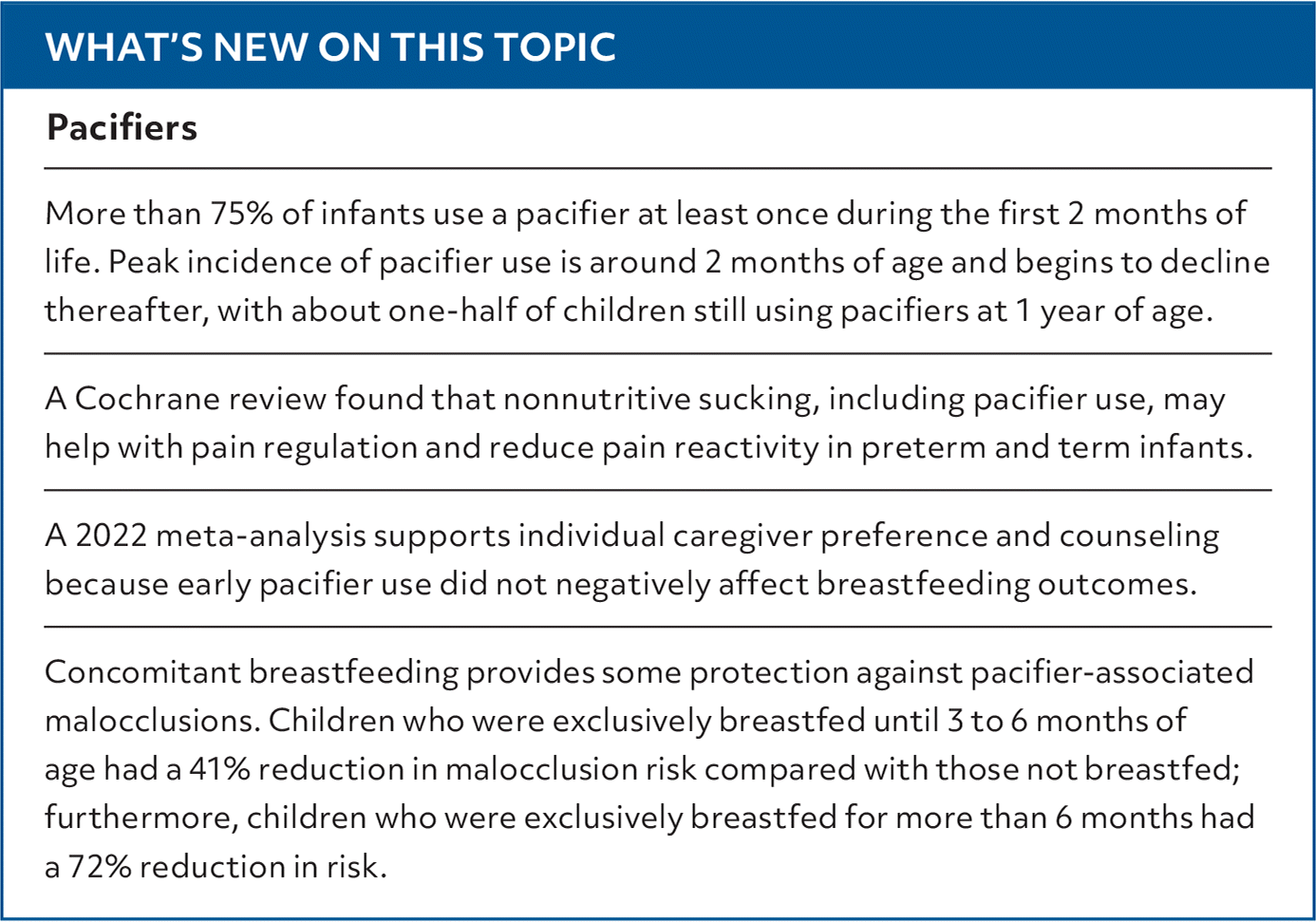
| More than 75% of infants use a pacifier at least once during the first 2 months of life. Peak incidence of pacifier use is around 2 months of age and begins to decline thereafter, with about one-half of children still using pacifiers at 1 year of age. |
| A Cochrane review found that nonnutritive sucking, including pacifier use, may help with pain regulation and reduce pain reactivity in preterm and term infants. |
| A 2022 meta-analysis supports individual caregiver preference and counseling because early pacifier use did not negatively affect breastfeeding outcomes. |
| Concomitant breastfeeding provides some protection against pacifier-associated malocclusions. Children who were exclusively breastfed until 3 to 6 months of age had a 41% reduction in malocclusion risk compared with those not breastfed; furthermore, children who were exclusively breastfed for more than 6 months had a 72% reduction in risk. |
SORT:KEY RECOMMENDATIONS FOR PRACTICE
| Clinical recommendation | Evidence rating | Comments |
|---|---|---|
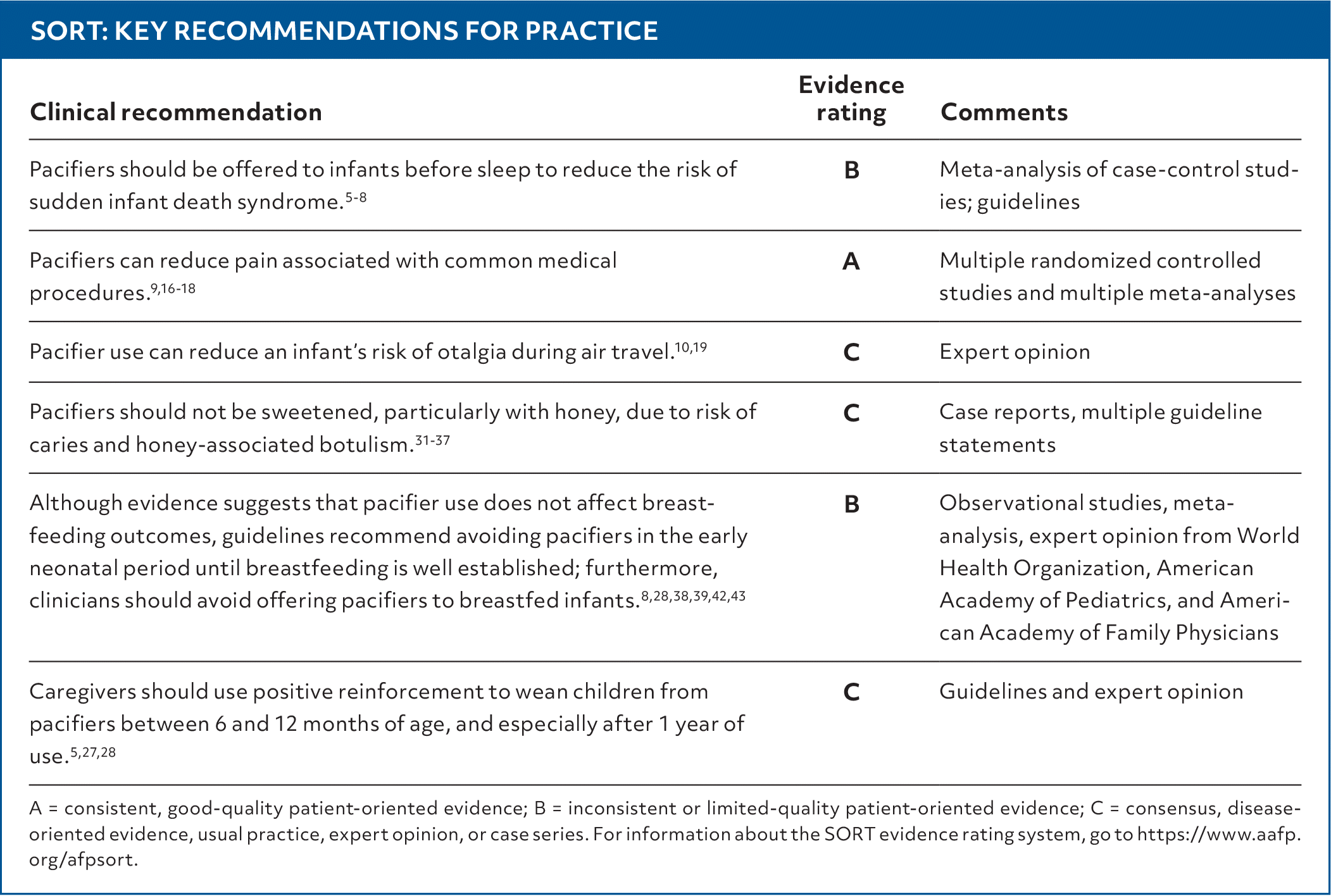
| Pacifiers should be offered to infants before sleep to reduce the risk of sudden infant death syndrome.5–8 | B | Meta-analysis of case-control studies; guidelines |
| Pacifiers can reduce pain associated with common medical procedures.9,16–18 | A | Multiple randomized controlled studies and multiple meta-analyses |
| Pacifier use can reduce an infant’s risk of otalgia during air travel.10,19 | C | Expert opinion |
| Pacifiers should not be sweetened, particularly with honey, due to risk of caries and honey-associated botulism.31–37 | C | Case reports, multiple guideline statements |
| Although evidence suggests that pacifier use does not affect breastfeeding outcomes, guidelines recommend avoiding pacifiers in the early neonatal period until breastfeeding is well established; furthermore, clinicians should avoid offering pacifiers to breastfed infants.8,28,38,39,42,43 | B | Observational studies, meta-analysis, expert opinion from World Health Organization, American Academy of Pediatrics, and American Academy of Family Physicians |
| Caregivers should use positive reinforcement to wean children from pacifiers between 6 and 12 months of age, and especially after 1 year of use.5,27,28 | C | Guidelines and expert opinion |
A = consistent, good-quality patient-oriented evidence; B = inconsistent or limited-quality patient-oriented evidence; C = consensus, disease-oriented evidence, usual practice, expert opinion, or case series. For information about the SORT evidence rating system, go to https://www.aafp.org/afpsort.
Read the full article
Get immediate access, anytime, anywhere.
Choose a single article, issue, or full-access subscription.
Earn up to 14 CME credits per issue.
