

Rosacea is a chronic inflammatory skin disease of the central face, affecting 5% of the population. The exact etiology is unknown. A diagnosis is made based on the updated 2017 National Rosacea Society Expert Committee guidelines, including fixed erythema, phymatous changes of skin thickening due to sebaceous gland hyperplasia and fibrosis, papules, pustules, telangiectasia, and flushing. Delays in an accurate diagnosis and treatment may occur in skin of color due to difficulty visualizing erythema and telangiectasia. The daily use of sunscreen, moisturizers, and mild skin cleansers and avoidance of triggers are essential aspects of maintenance treatment. Effective topical treatment options include alpha-adrenergic receptor agonists for flushing and ivermectin, metronidazole, and azelaic acid for papules and pustules. Systemic treatments include nonselective beta blockers for flushing, low-dose doxycycline, and isotretinoin for papules and pustules. Rosacea can significantly affect a patient's emotional health and quality of life. A referral for care is recommended for fixed phymatous changes and ocular rosacea. (Am Fam Physician. 2024;109(6):533-542. Copyright © 2024 American Academy of Family Physicians.)
Rosacea is a chronic, relapsing, remitting cutaneous disease primarily affecting the cheeks, nose, chin, and central forehead, typically sparing the skinfolds.1,2 Rosacea is a common condition affecting 1 in 20 adults worldwide.3 Although the etiology is unclear, rosacea pathogenesis involves exaggerated inflammatory, immune, and vascular responses to identifiable triggers and environmental exposures.2 Table 1 lists common rosacea triggers.4
WHAT'S NEW ON THIS TOPIC
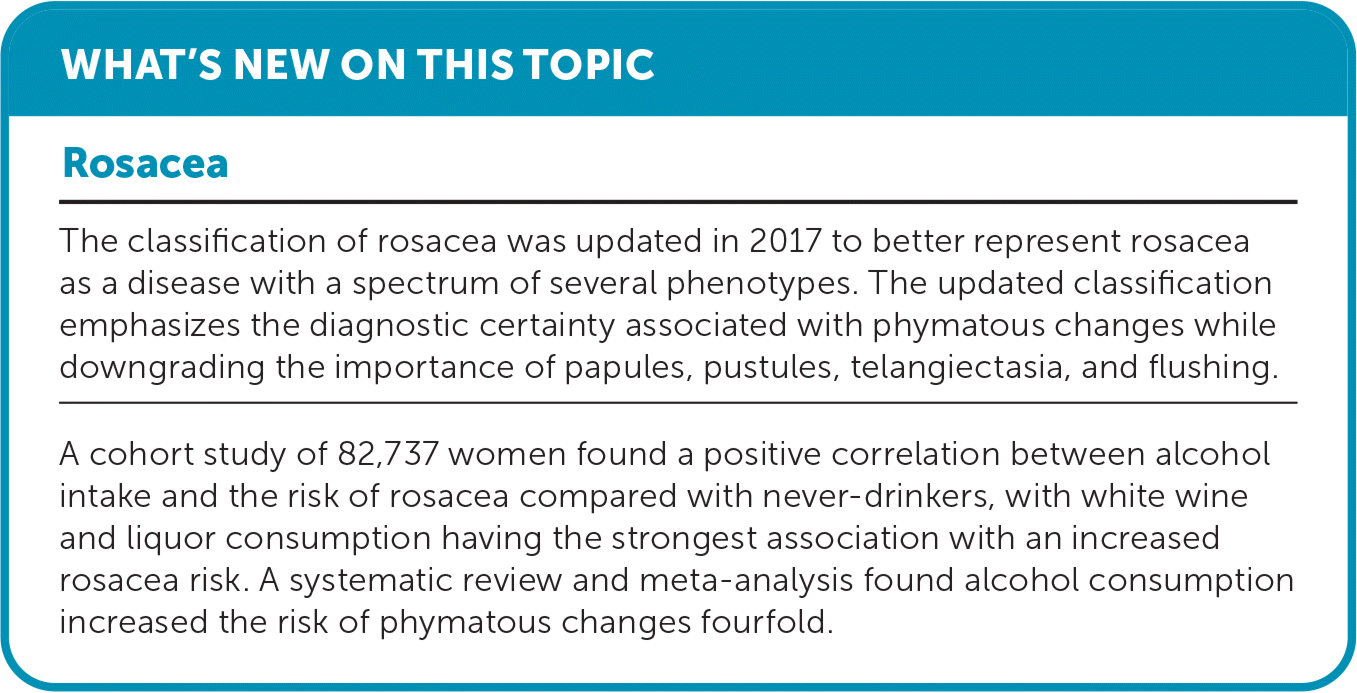
| The classification of rosacea was updated in 2017 to better represent rosacea as a disease with a spectrum of several phenotypes. The updated classification emphasizes the diagnostic certainty associated with phymatous changes while downgrading the importance of papules, pustules, telangiectasia, and flushing. |
| A cohort study of 82,737 women found a positive correlation between alcohol intake and the risk of rosacea compared with never-drinkers, with white wine and liquor consumption having the strongest association with an increased rosacea risk. A systematic review and meta-analysis found alcohol consumption increased the risk of phymatous changes fourfold. |
SORT: KEY RECOMMENDATIONS FOR PRACTICE
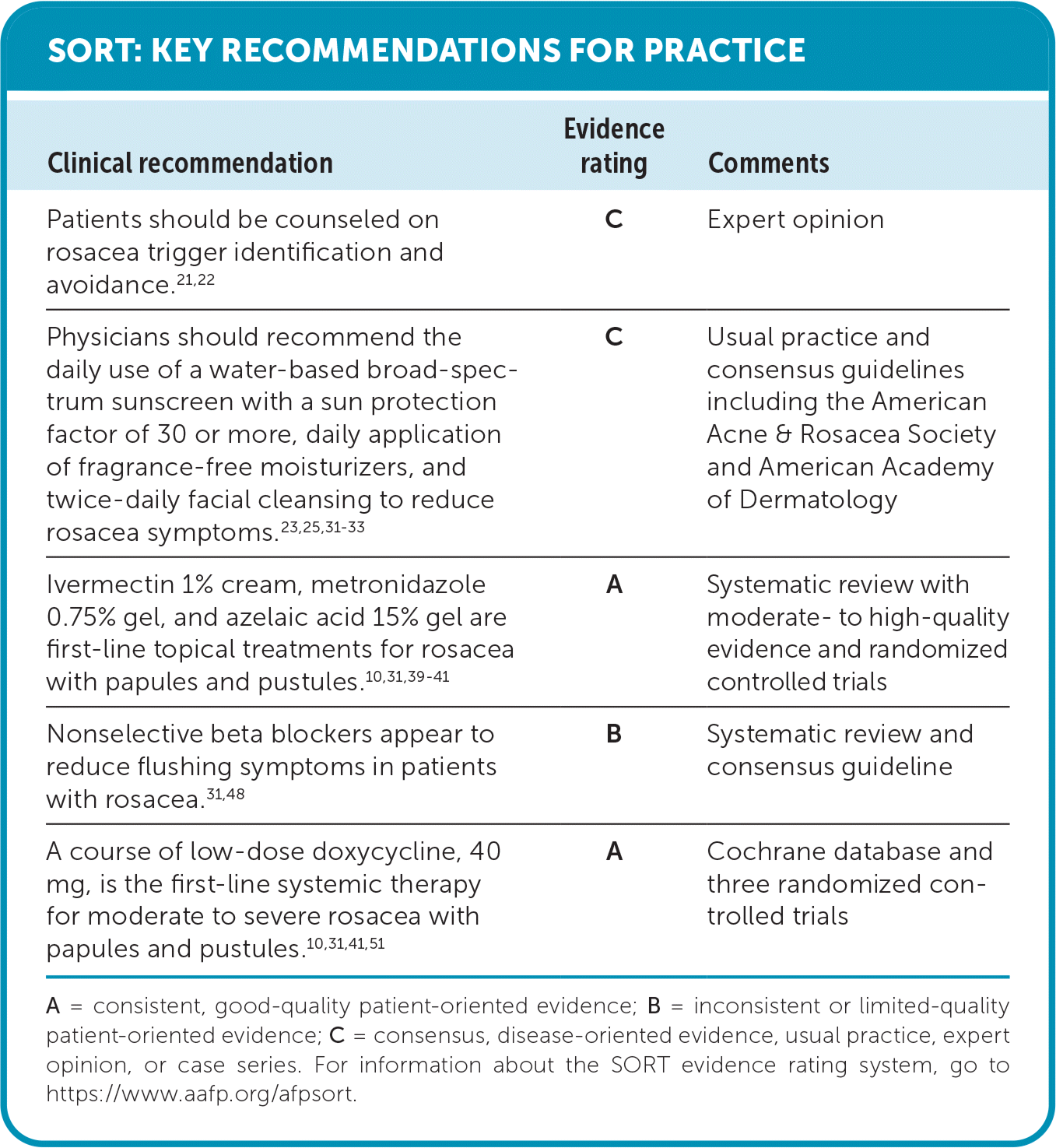
A = consistent, good-quality patient-oriented evidence; B = inconsistent or limited-quality patient-oriented evidence; C = consensus, disease-oriented evidence, usual practice, expert opinion, or case series. For information about the SORT evidence rating system, go to https://www.aafp.org/afpsort.
Read the full article
Get immediate access, anytime, anywhere.
Choose a single article, issue, or full-access subscription.
Earn up to 14 CME credits per issue.
