
How to navigate the residency match selection process

Learn how the residency match selection process works and what to expect as you begin your residency journey.
- On this page
- What is The Match?
- Understanding the NRMP®
- Overview
- Application requirements
- Key deadlines
- Match Week and Match Day
- Improving your chances of a successful match
- Tips from recent graduates
What is The Match™?
The Match is the system that helps future physicians take their next step into residency. It’s a structured, nationwide process that connects medical students and graduates with programs that fit their goals, interests, and strengths. At the AAFP, we know this transition can feel big—but it doesn’t have to feel overwhelming. By understanding how The Match works, you can approach it with clarity and confidence.
Understanding the National Residency Matching Program® (NRMP®)
What is the NRMP and its role in Matching?
The National Resident Matching Program (NRMP) manages the formal matching process. While it doesn’t review applications or decide who is qualified, it does operate the algorithm that places applicants into residency programs. Think of the NRMP as the connector—bringing together program and applicant preferences to create fair, reliable matches every year. Its role ensures the process remains transparent, equitable and centered on what’s best for each applicant.
How does The Match work? Step-by-step overview
How are medical students ranked and assigned?
The Match uses a well-tested algorithm designed to balance both applicant and program preferences while aligning placements with the needs and priorities of each.
Here’s how the process unfolds:
Submit applications through ERAS® (Electronic Residency Application Service®): Programs review your materials and select candidates to interview.
Interviews: You meet with programs, learn about their training style and decide what feels like the right fit.
Rank order lists: You and the programs each submit a ranked list of preferred choices.
The algorithm runs: The NRMP matches you to the highest‑ranked program that also ranks you.
At its core, the process is structured, fair and designed to help you land where you can thrive.
Application requirements for The Match
Your application is your opportunity to tell your story—your training, your interests and why you’re ready for residency. Preparing these materials early can help reduce stress and keep you focused on showcasing your strengths.
Most applicants will need:
Curriculum vitae (CV) (elements of your CV will be input into ERAS)
Medical school transcript
USMLE or COMLEX scores
Optional photo
Key deadlines and registration for the residency match
When to register for The Match and important deadlines
September: Applications open for submission through ERAS.
October–January: Interview season.
Late January/February: Rank lists are finalized and certified.
March: Match Week and Match Day.
While dates vary slightly each year, The Match generally follows a predictable rhythm. Registering with the NRMP before the ranking deadline is essential. Staying aware of key dates ensures you never miss an important step.
Match Week and Match Day: What to expect
Match Week is one of the most important parts of the residency process. It begins on Monday, when applicants learn whether they matched, and ends on Friday with Match Day, when they find out where they matched.
What happens during Match Week?
- Monday: You learn whether you matched, but not yet where.
- If you do not fully match: You may be eligible for the Supplemental Offer and Acceptance Program (SOAP).
- Monday through Thursday: SOAP gives unmatched or partially matched applicants a chance to apply to unfilled residency positions.
- SOAP gives unmatched or partially matched applicants a chance to apply to and interview with unfilled residency programs with offers being made in four rounds on Thursday.
What happens on Match Day (Friday)?
- You learn the residency program where you matched.
- Match Day marks the official start of your transition from medical school to residency.
- Many students celebrate with classmates, faculty, family and friends.
What if you do not match?
- Not matching can be disappointing, but it is not the end of the road.
- SOAP offers another opportunity to secure a residency position during Match Week.
- Your medical school advisors can also help you understand your options and plan next steps.
No matter the outcome, you’re not alone—the AAFP offers a transitional membership option to help you navigate the process and move forward with confidence.
How to improve your chances of a successful match
A strong Match outcome starts with preparation, reflection and support. Strengthen your application by seeking meaningful clinical experiences, building relationships that lead to strong letters of recommendation and applying to a thoughtful mix of programs. And when you’re ready for deeper guidance, our free Strolling Through the Match guidebook offers step‑by‑step support to help you move forward with confidence.
Match tips from recent graduates
Navigating the residency application process isn’t easy. It’s challenging and stressful but also exciting. Here are some insider tips from recent medical school graduates who successfully matched into family medicine residencies.
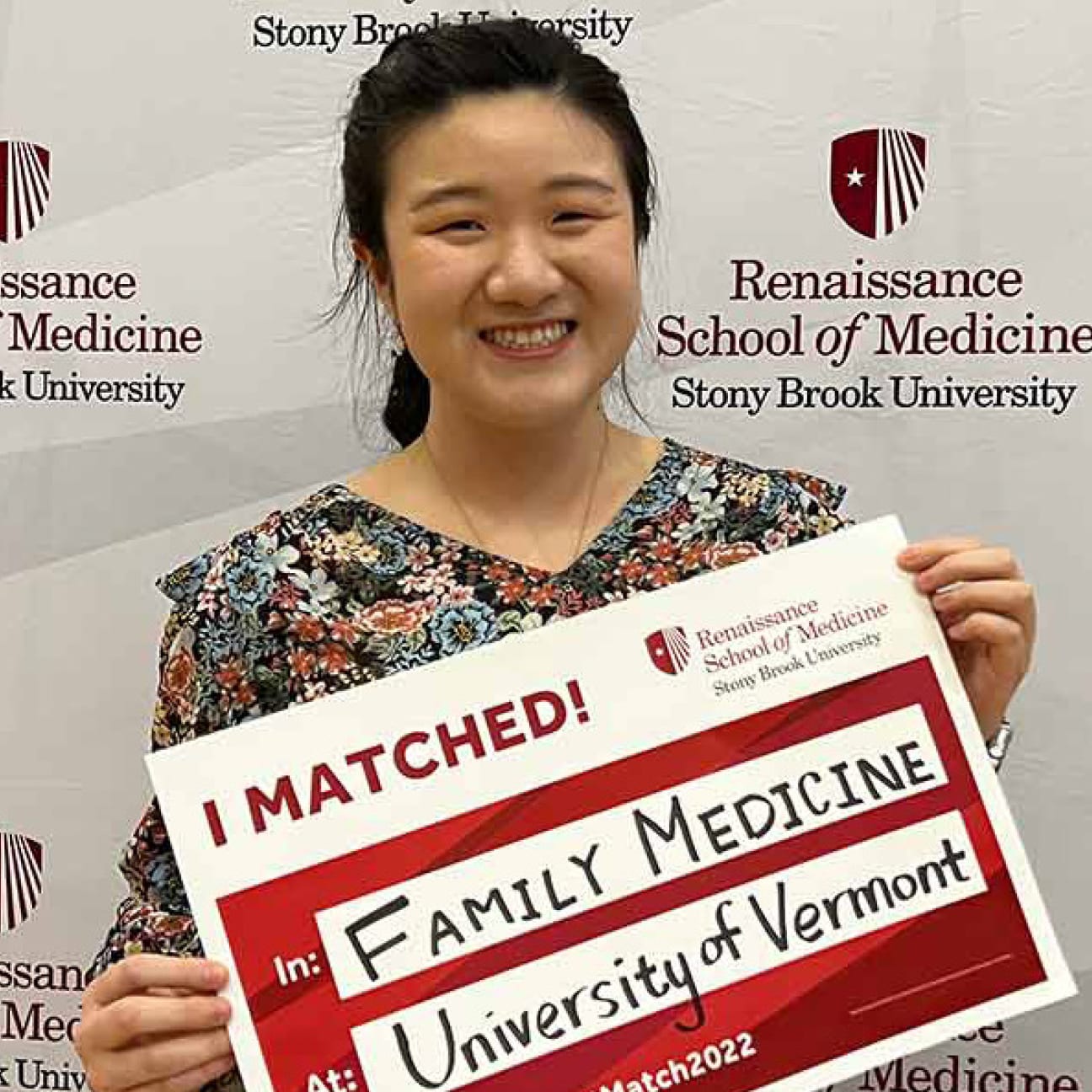
Kate (Jiayu) Tian, MD
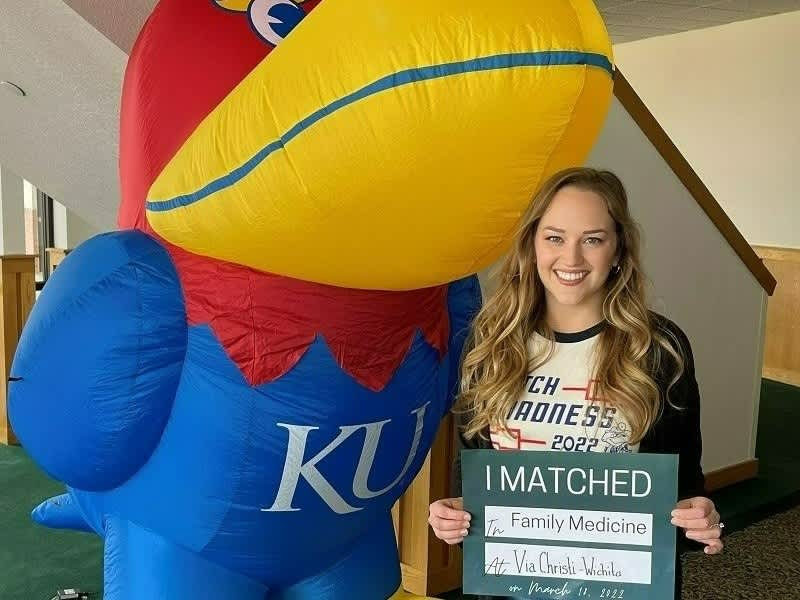
Morgan Weiler, MD
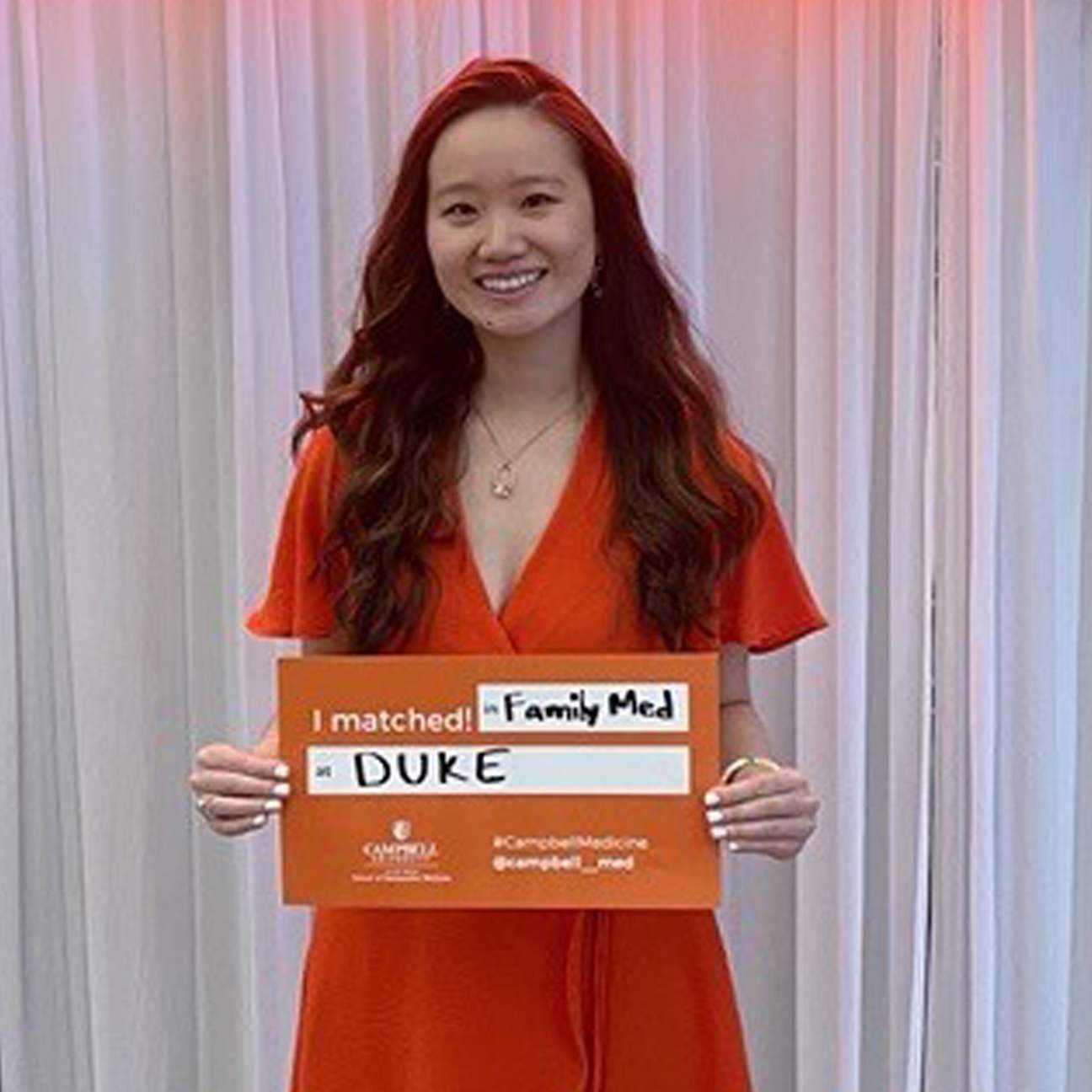
Colleen Yang, DO
Securing your residency takes more than just exams and grades. You’ll need to demonstrate professional development and present your intangible qualities, too. The sooner you determine your goals and how you’ll meet them, the better. Creating a checklist can help. You can find a checklist for each year of medical school in the AAFP’s Strolling Through the Match guidebook.
"Create a to-do list! Marking items off feels great, and it is also a great way to see what you have left to do! I wrote my personal statement in the summer, and I am glad I did so. When you ask for letters of recommendation, many will ask for an updated CV and personal statement! Having those ready will be important."
- Morgan Weiler, MD
Add rotations and electives to your checklist, and make sure they help you diversify your family medicine experiences. This shows programs that you’re committed to the specialty.
“The best advice I received was to sign up for rotations that are the most challenging to you. My weakest subject is nephrology and electrolyte management. I did a two-week rotation with a nephrologist, and it was extremely helpful! Challenging, yes, but worth it!”
– Morgan Weiler, MD
Deciding on a specialty is both challenging and exciting. Put the specialties that interest you on your checklist, take every opportunity to shadow or rotate through them, and then think about what you’ve experienced and how it aligns with your professional goals.
"First step is to identify a few specialties of interest, if possible, and reach out to mentors, both physicians and senior medical students. Understanding why others chose a certain specialty is very helpful, especially if you resonate with someone’s story. Since everyone’s path is unique, talking to multiple mentors can help clear up if one specialty might be a good fit. Additionally, going to conferences is a great way to identify mentors as participants tend to have strong interests in teaching and mentoring."
– Kate Tian, MD
With more than 800 family medicine residency programs, how do you figure out which program is right for you? Once you’ve considered location, practice settings and other basics, concentrate your research on the programs that appeal to your unique, subjective interests. Are there away rotations or conference opportunities? Have you talked with alumni or current residents and been moved by what they’ve told you?
“Doing away rotations helped me better understand the residency ranking process because they gave me firsthand insight into each program’s culture and helped me clarify my priorities. For example, I was able to reflect on questions like: Does rigor matter more to me, or does culture? Before doing away rotations, there were many aspects of residency I hadn’t been exposed to, largely because I didn’t regularly interact with residents in my own experience. I didn’t know what table rounds versus walking rounds were like, how didactics were structured, or what the overall camaraderie and culture felt like. It was also valuable to see whether residents spent time together outside of work. Overall, away rotations gave me a much clearer sense of what residency is really like, especially at my top-choice program, and helped me better understand what matters most to me in a residency program.”
– Colleen Yang, DO
The interview isn’t just to help the program. It’s also your chance to determine if a program is right for you. Prepare your own questions as you also consider how to convey to the interviewer that you’d be a welcome addition.
"I read through the section 'Interviewing at Residency Programs' in Strolling Through the Match and had prepared answers to commonly asked questions beforehand. Before each interview day, I reviewed my notes about the program and all the documents emailed to me and on the program website. I also drafted questions to ask during the resident dinner and during each interview based on the 'Suggested Interview Questions' in Strolling."
- Kate Tian, MD