

Acute rhinosinusitis causes more than 30 million patients to seek health care per year in the United States. Respiratory tract infections, including bronchitis and sinusitis, account for 75% of outpatient antibiotic prescriptions in primary care. Sinusitis is a clinical diagnosis; the challenge lies in distinguishing between the symptoms of bacterial and viral sinusitis. Cardinal features of acute bacterial rhinosinusitis are unilateral facial pain or pressure, fever greater than 102°F (39°C), and purulent nasal discharge with obstruction of the nasal passages. Antibiotics should be considered for patients with 3 or more days of severe symptoms, significant worsening after 3 to 5 days of symptoms, or 7 or more days of symptoms. Diagnostic testing for acute rhinosinusitis with antral puncture is impractical because of its invasiveness. Point-of-care testing for elevated C-reactive protein may be helpful, but it is not widely available. Studies have shown that amoxicillin is as effective as amoxicillin-clavulanate as a first-line treatment for acute bacterial rhinosinusitis for those without a beta-lactam allergy. For patients with a beta-lactam allergy, appropriate antibiotics include doxycycline or a respiratory fluoroquinolone; clindamycin plus a third-generation cephalosporin is an option for children with non-type I hypersensitivity to beta-lactam antibiotics. Supportive care for rhinosinusitis, including use of saline irrigation, nasal steroids or antihistamines, and decongestants, may help reduce the severity of symptoms. Most episodes of rhinosinusitis are self-limited, lasting 7 to 10 days. Complications of rhinosinusitis are rare but may include orbital cellulitis, meningitis, and abscess. Computed tomography and referral to an otolaryngologist should be considered for patients with recurrent rhinosinusitis or concern about complications.
Acute rhinosinusitis is defined by the Infectious Diseases Society of America (IDSA) as “inflammation of the mucosal lining of the nasal passage and paranasal sinuses lasting up to 4 weeks.”1 It is caused by a bacterial or viral pathogen triggering inflammation of the mucosal lining in the nasal passages and sinuses. A brief review of the epidemiology, diagnosis, and evidence-based treatment of acute rhinosinusitis in adults and children is presented here.
WHAT'S NEW ON THIS TOPIC
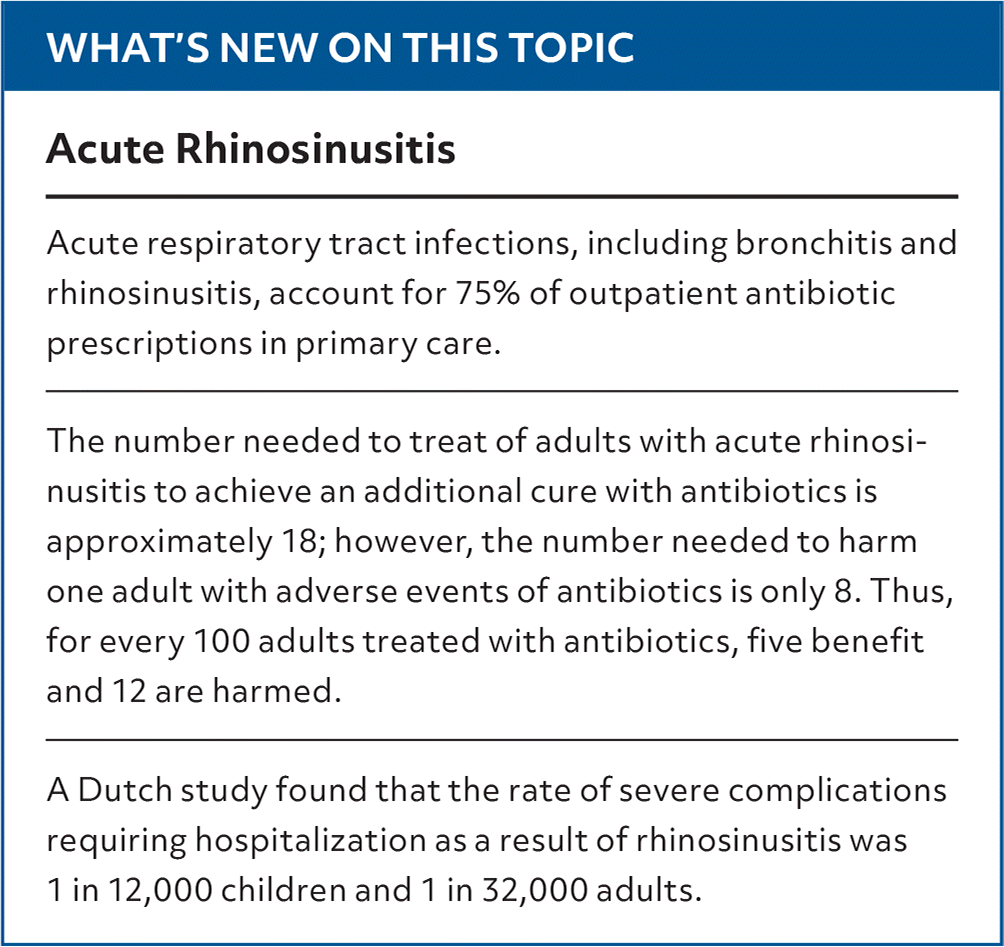
| Acute respiratory tract infections, including bronchitis and rhinosinusitis, account for 75% of outpatient antibiotic prescriptions in primary care. |
| The number needed to treat of adults with acute rhinosinusitis to achieve an additional cure with antibiotics is approximately 18; however, the number needed to harm one adult with adverse events of antibiotics is only 8. Thus, for every 100 adults treated with antibiotics, five benefit and 12 are harmed. |
| A Dutch study found that the rate of severe complications requiring hospitalization as a result of rhinosinusitis was 1 in 12,000 children and 1 in 32,000 adults. |
SORT: KEY RECOMMENDATIONS FOR PRACTICE
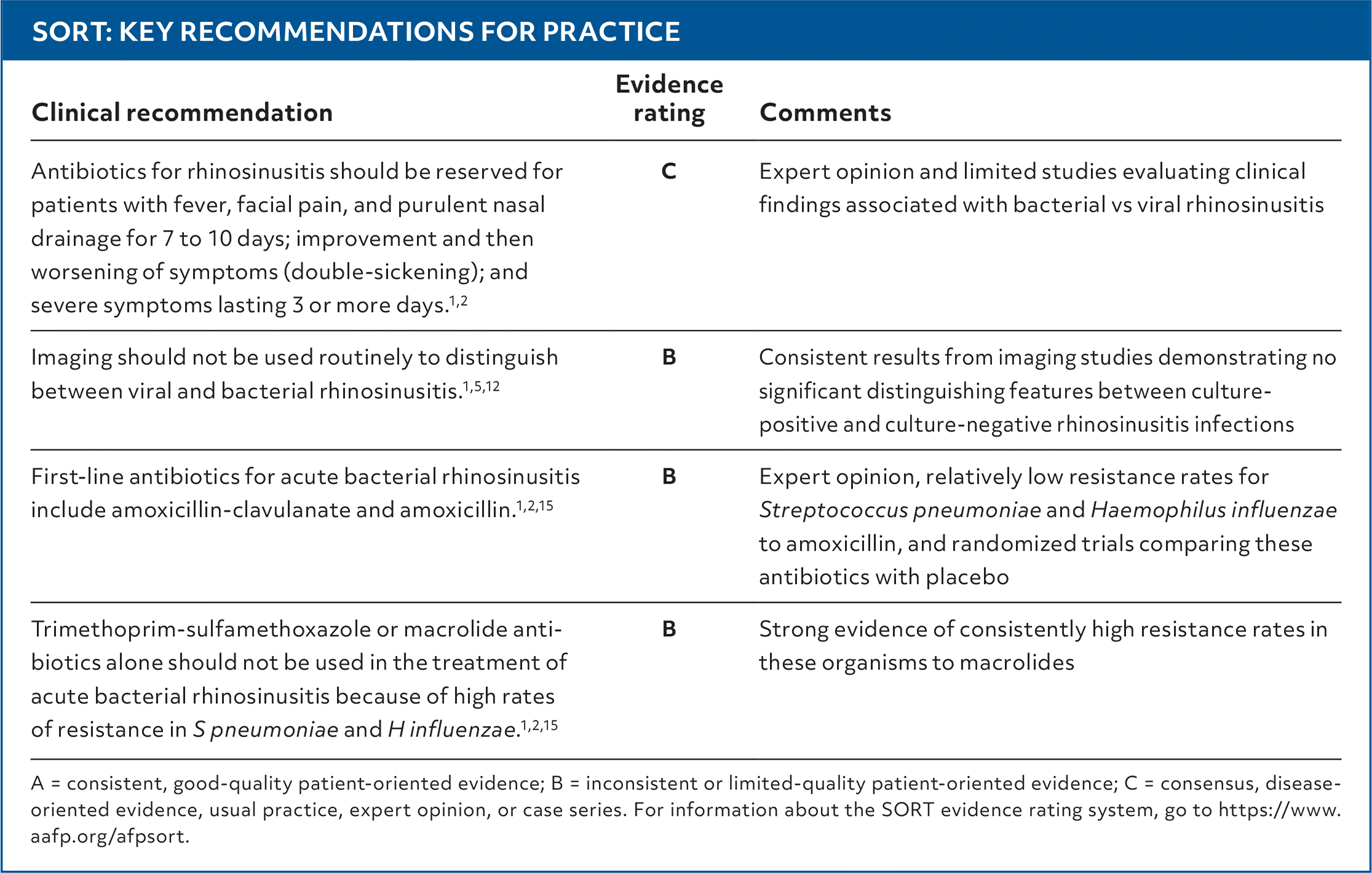
A = consistent, good-quality patient-oriented evidence; B = inconsistent or limited-quality patient-oriented evidence; C = consensus, disease-oriented evidence, usual practice, expert opinion, or case series. For information about the SORT evidence rating system, go to https://www.aafp.org/afpsort.
Read the full article
Get immediate access, anytime, anywhere.
Choose a single article, issue, or full-access subscription.
Earn up to 14 CME credits per issue.
